World Craft Depository

3,013 Mapped Technique Records
205 Countries Represented
59-Field Research Schema
From the Archive

Intelligence of the Hand

A rotating selection of extraordinary tacit knowledge from across CRAFT's growing global archive.

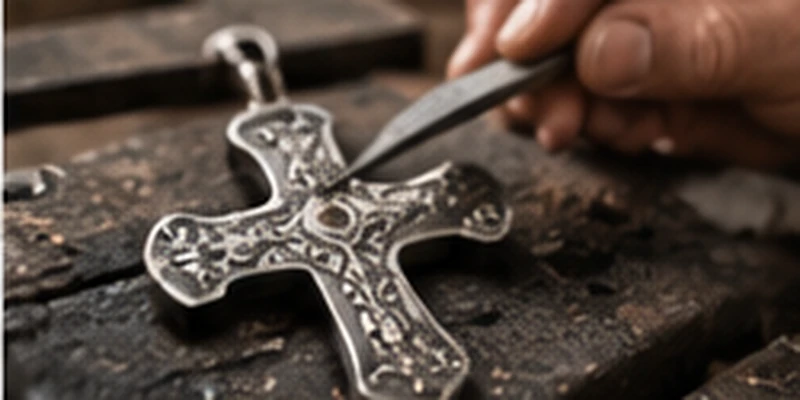
Agadez Cross Lost-Wax Silversmithing

ArticleNiger

Agadez Cross Lost-Wax Silversmithing

The cross is cast entirely by lost-wax rather than hammered into shape. Once cast, each piece receives etched geometric decoration unique to that object; the inherited form is repeated, but the surface is judged and cut by hand.

The form repeats; the surface never does. A centuries-old geometry still leaves room for the hand of each smith.

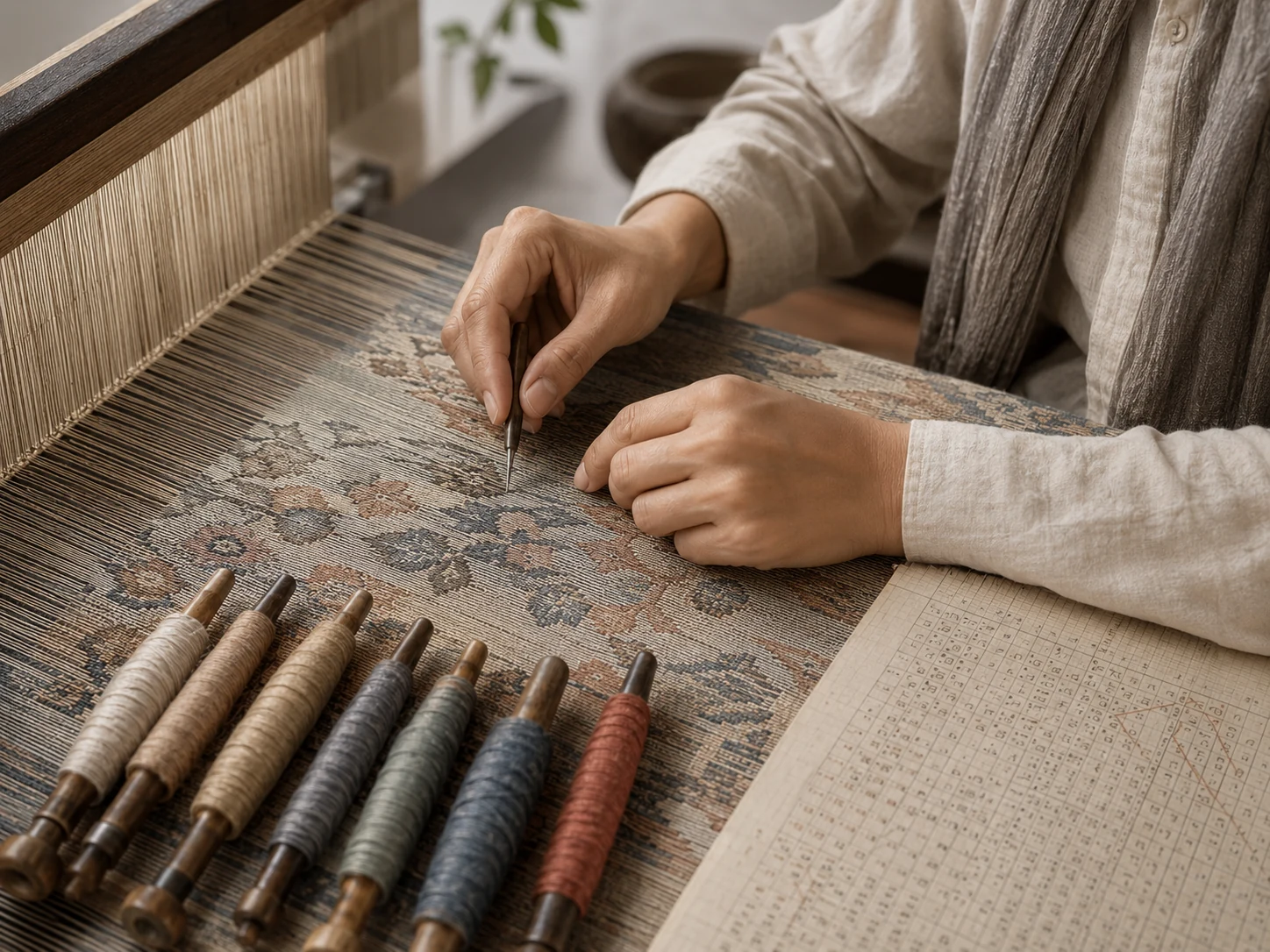
Kani Shawl Weaving

ArticleIndia

Kani Shawl Weaving

The most endangered element may not be the weaving — it is the talim, an oral notation system in which the pattern is encoded as a chanted sequence of numbers and color codes. If the talim disappears, the pattern knowledge disappears with it.

The most endangered part of the Kani shawl tradition is not the loom, not the pashmina, not the weaver. It is a chanted number sequence.

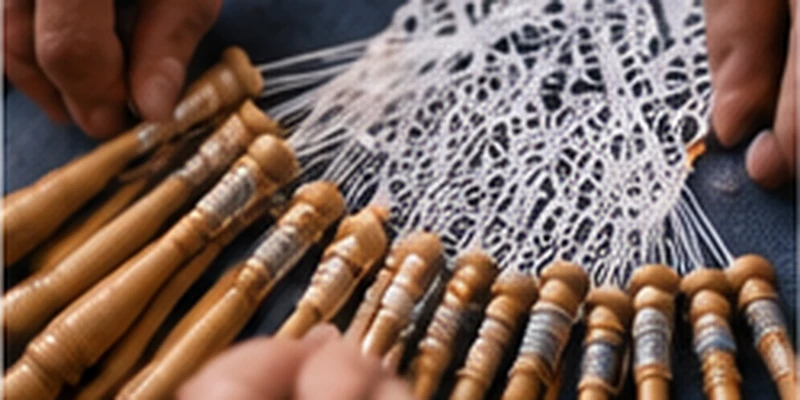
Le Puy-en-Velay Bobbin Lace

ArticleFrance

Le Puy-en-Velay Bobbin Lace

Dozens — sometimes hundreds — of bobbins remain active at once. The lacemaker no longer follows each thread independently; repeated crossings and twists are stored in the hands as rhythmic sequences.

What appears impossibly complex is handled as rhythm: cross, twist, pin, repeat.

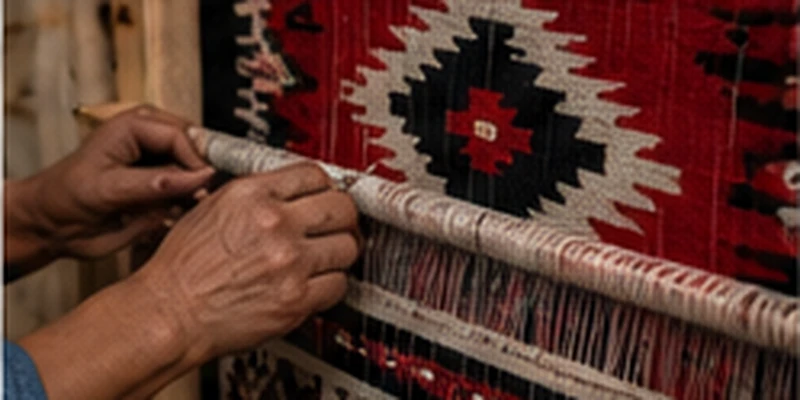
Diné (Navajo) Upright-Loom Rug Weaving

ArticleUnited States

Diné (Navajo) Upright-Loom Rug Weaving

The weaver reads fabric density through the resistance and sound of the comb strikes, adjusting force by feel while holding the geometric pattern in memory rather than following a written chart.

The loom speaks back through sound and resistance. A Diné weaver listens, feels and remembers at the same time to keep tension and pattern coherent.

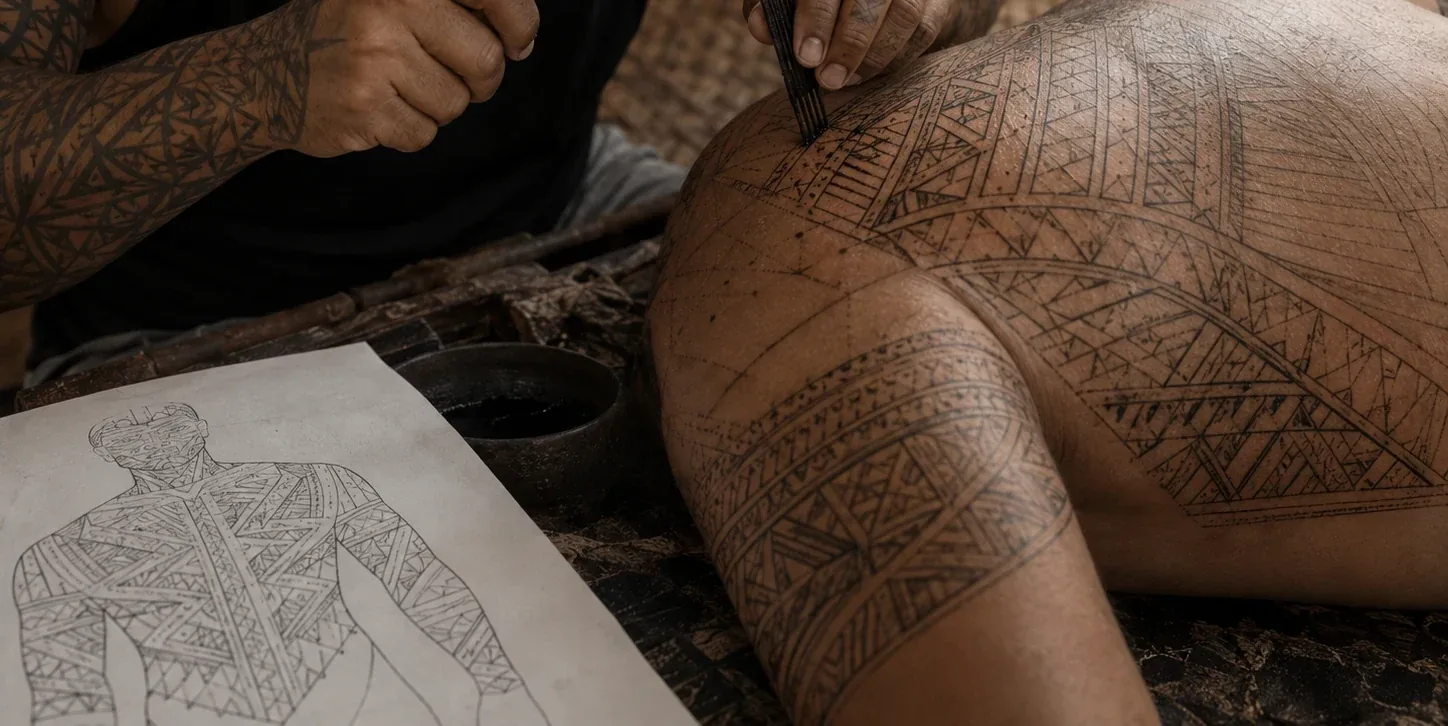
Marquesan Tattooing

CuriosityFrench Polynesia

Marquesan Tattooing

A whole-body Marquesan tattoo composition requires 5–15 years of sessions. The tuhuka must maintain spatial memory of the whole-body composition across multi-year intervals.

The Marquesan master tattooist holds a whole-body composition in spatial memory for up to 15 years — adding to it, session by session, across a human lifetime.

Bani Jamra Hand-and-Foot Naseej Weaving

ArticleBahrain

Bani Jamra Hand-and-Foot Naseej Weaving

Bani Jamra weaving requires coordinated use of both hands and legs. Textile structure emerges from a learned choreography distributed across the body rather than from hand movement alone.

In Bani Jamra, the body becomes part of the loom. Hands and feet operate as one rhythmic system to control thread, tension and structure.


More from the archive →

A Global Research Map of Craft Technique

The Depository organizes public research leads through a 59-field schema covering materials, tools, process, context, risk, and possible applications. A mapped record is a starting point for deeper documentation; it is not presented as practitioner-verified unless that work has taken place.

Browse The ArchiveFind a Technique →

ARCHIVE MATURITY

From Research Lead to Living Transmission

The public collection is currently a mapped evidence base. CRAFT uses the following stages to show the deeper work still required and to avoid treating desk research as community verification.

01

Mapped

Structured from public and research sources.

02

Reviewed

Cross-checked and editorially strengthened.

03

Verified

Confirmed with a practitioner or knowledge-holding community.

04

Captured

Documented through interviews, images, video, or fieldwork.

05

Transmissible

Prepared for responsible teaching or application.

Global Coverage

205 countries · 3013 techniques

Netherlands

Loading archive…

CONTRIBUTE TO THE DEPOSITORY

Help Strengthen the Depository

Craft knowledge is dispersed across communities, workshops, and personal memory. Suggest a missing technique, contribute knowledge to an existing record, or help us correct something.

Every contribution is researched and reviewed before the archive is changed. Submissions are never published automatically.