
World Craft Depository

3,013 Mapped Technique Records
205 Countries Represented
59-Field Research Schema
From the Archive

Intelligence of the Hand

A rotating selection of extraordinary tacit knowledge from across CRAFT's growing global archive.

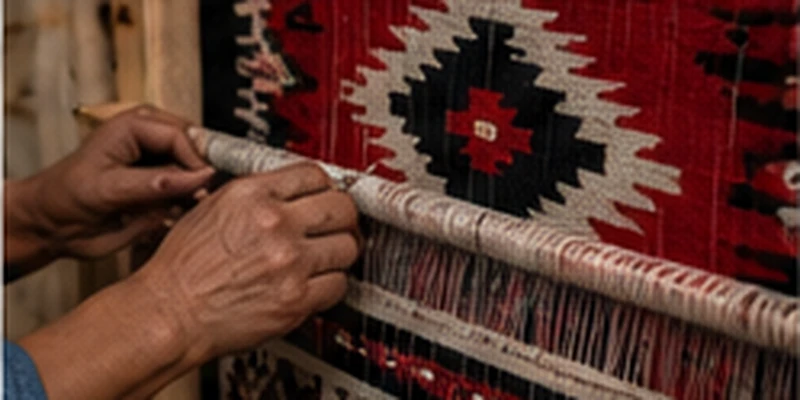
Diné (Navajo) Upright-Loom Rug Weaving

ArticleUnited States

Diné (Navajo) Upright-Loom Rug Weaving

The weaver reads fabric density through the resistance and sound of the comb strikes, adjusting force by feel while holding the geometric pattern in memory rather than following a written chart.

The loom speaks back through sound and resistance. A Diné weaver listens, feels and remembers at the same time to keep tension and pattern coherent.

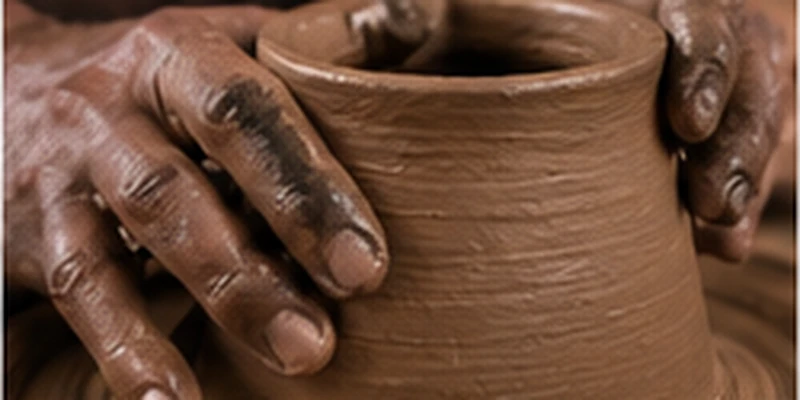
Ari & Amhara Hand-Built Pottery

ArticleEthiopia

Ari & Amhara Hand-Built Pottery

Among Ari potters, vessel forms are recognized as a hierarchy of difficulty: tila, disti, jebena and aksh. Learning is not simply linear; a potter may master the most difficult form yet remain less proficient at another.

Skill does not rise in a straight line. The hands remember different shapes as different kinds of intelligence.

Gullah Geechee Coiled Basketry

ArticleUnited States

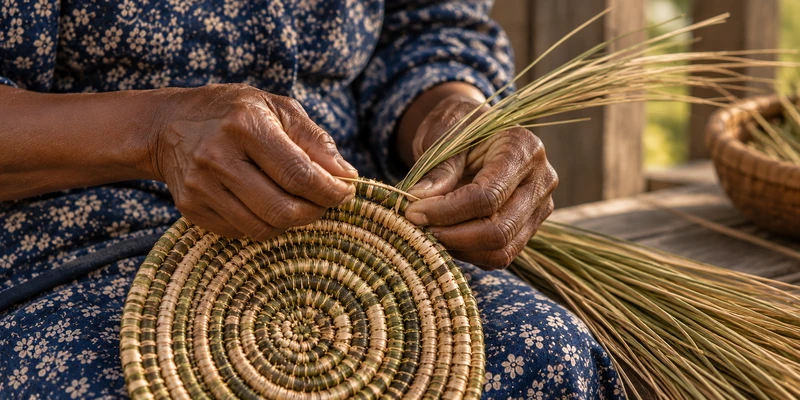
Gullah Geechee Coiled Basketry

Sweetgrass and pine needle must remain pliable enough to accept extremely tight coiling without cracking. Experienced basket makers judge both the material and the tension overwhelmingly through touch — and describe learning when a coil is tight enough as something that cannot simply be measured.

The spiral stays even because the fingers remember a tension no ruler can specify.

Toledo Damascene Metal Inlay

ArticleSpain

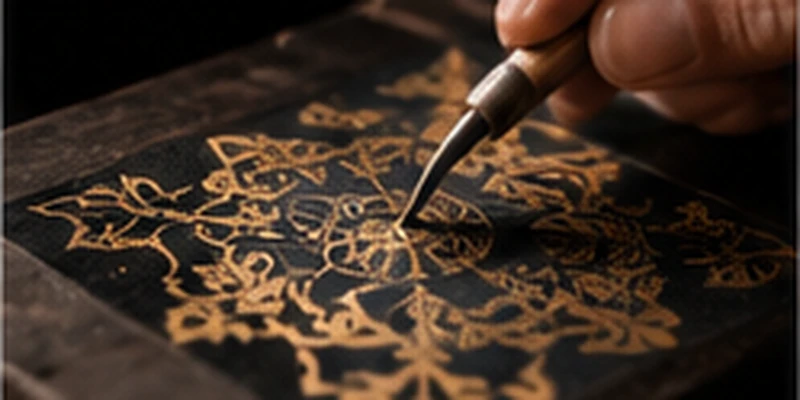
Toledo Damascene Metal Inlay

Before gold or silver wire is hammered into steel, the surface is cut into a microscopic cross-hatched grip. Experienced damasquinadores test the depth of that texture with a fingernail before committing the precious metal.

Before the gold goes in, a fingernail decides whether the steel is ready to hold it.

Atayal Night Weaving

ArticleTaiwan

Atayal Night Weaving

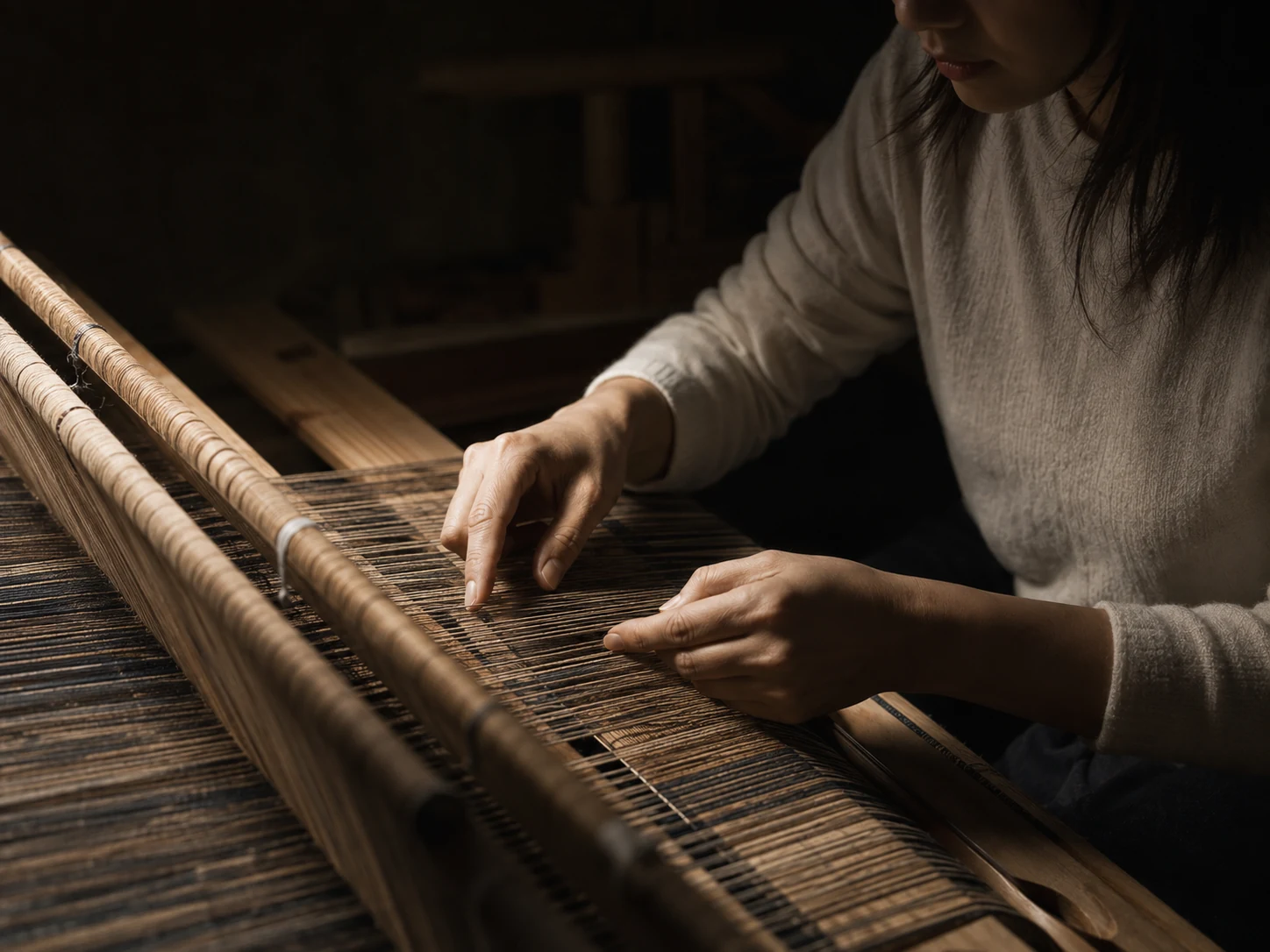
Atayal weavers deliberately practice in reduced light to force haptic thread identification. Darkness is not a constraint — it is a training tool.

The Atayal people of Taiwan deliberately weave in the dark — not by necessity but by design, to train the hands to read what the eyes cannot see.

Al-Qatt Al-Asiri Wall Painting

ArticleSaudi Arabia

Al-Qatt Al-Asiri Wall Painting

Complex geometric wall compositions are traditionally laid out without mechanical plotting. The painter balances repeated triangles, bands and color fields while continually adjusting the composition to the architecture in front of her.

The wall is not simply a surface to decorate. Its proportions become part of the pattern as the painter works.


More from the archive →

A Global Research Map of Craft Technique

The Depository organizes public research leads through a 59-field schema covering materials, tools, process, context, risk, and possible applications. A mapped record is a starting point for deeper documentation; it is not presented as practitioner-verified unless that work has taken place.

Browse The ArchiveFind a Technique →

ARCHIVE MATURITY

From Research Lead to Living Transmission

The public collection is currently a mapped evidence base. CRAFT uses the following stages to show the deeper work still required and to avoid treating desk research as community verification.

01

Mapped

Structured from public and research sources.

02

Reviewed

Cross-checked and editorially strengthened.

03

Verified

Confirmed with a practitioner or knowledge-holding community.

04

Captured

Documented through interviews, images, video, or fieldwork.

05

Transmissible

Prepared for responsible teaching or application.

Global Coverage

205 countries · 3013 techniques

Sacred & Ceremonial Craft

Loading archive…

CONTRIBUTE TO THE DEPOSITORY

Help Strengthen the Depository

Craft knowledge is dispersed across communities, workshops, and personal memory. Suggest a missing technique, contribute knowledge to an existing record, or help us correct something.

Every contribution is researched and reviewed before the archive is changed. Submissions are never published automatically.