World Craft Depository

2,863 Mapped Technique Records
205 Countries Represented
59-Field Research Schema
From the Archive

Intelligence of the Hand

A rotating selection of extraordinary tacit knowledge from across CRAFT's growing global archive.

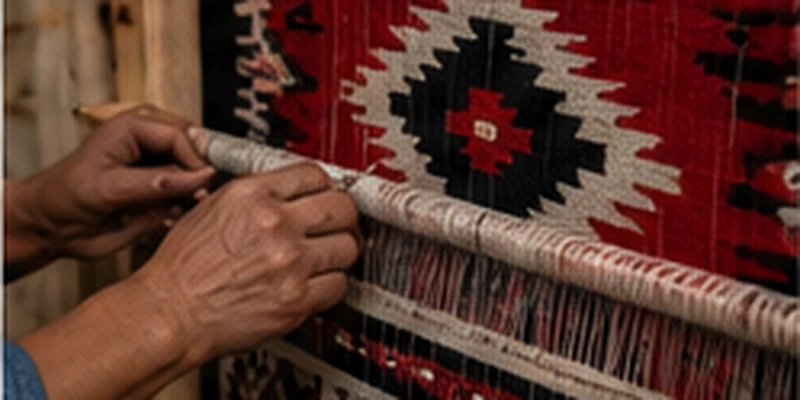
Diné (Navajo) Upright-Loom Rug Weaving

ArticleUnited States

Diné (Navajo) Upright-Loom Rug Weaving

The weaver reads fabric density through the resistance and sound of the comb strikes, adjusting force by feel while holding the geometric pattern in memory rather than following a written chart.

The loom speaks back through sound and resistance. A Diné weaver listens, feels and remembers at the same time to keep tension and pattern coherent.

Ottchil Korean Natural Lacquer Application

ArticleSouth Korea

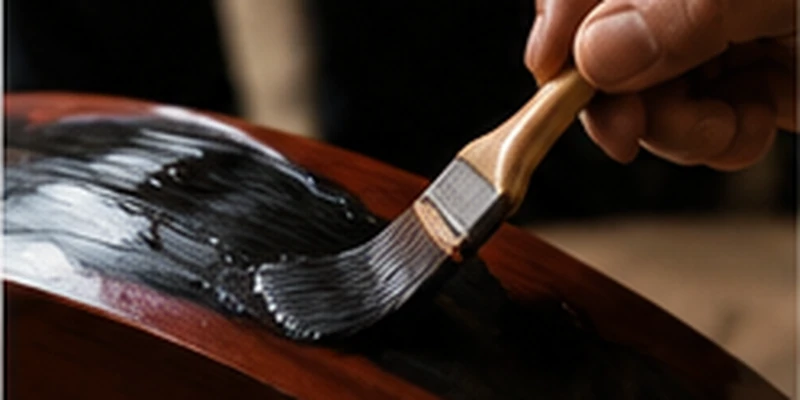
Ottchil Korean Natural Lacquer Application

Natural lacquer cures through humidity. Experienced ottchil makers judge the atmosphere not only with instruments but through the sensation of moisture on the skin — an environment described as feeling almost like breathing into a cloud.

Here the hand does not only read the object. It reads the air surrounding it.

Fez Zellige Hand-Cut Mosaic Tilework

ArticleMorocco

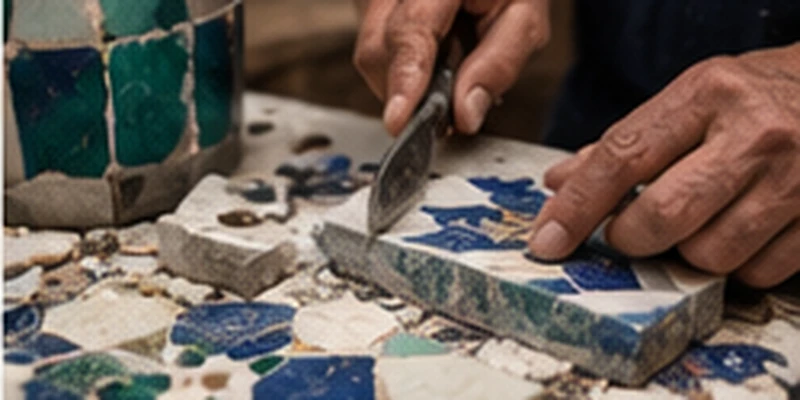
Fez Zellige Hand-Cut Mosaic Tilework

A seasoned maalem (master craftsman) can judge the correct cutting angle for a tile purely from the sound and feel of the hammer striking terracotta. The pieces are then assembled face-down, so the complete pattern cannot be seen while it is being built.

The zellige maker cuts geometry by ear as much as by eye — then assembles hundreds of fragments into a composition he cannot fully see until it is complete.

Greek Caique Boat Building

ArticleGreece

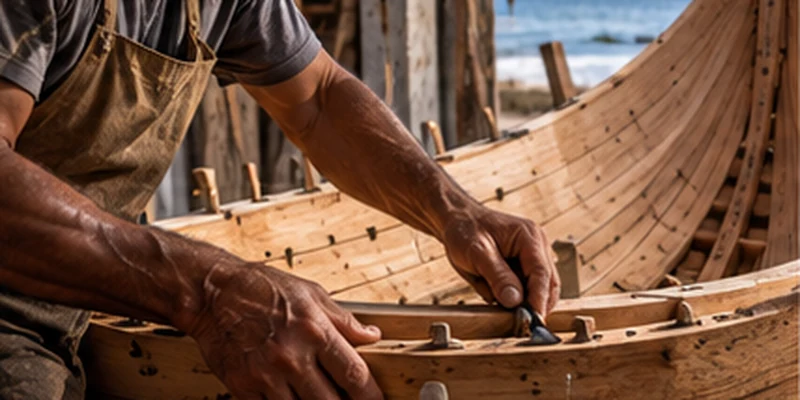
Greek Caique Boat Building

When a steamed hull plank leaves the steam box, the boatbuilder has only seconds to read three signals at once: the cloud of escaping steam, heat and moisture against the hand, and whether the first flex is silent. Then roughly a minute remains to bend it before it cools.

Steam, touch and sound give the answer. Then the builder has about sixty seconds to act.

Khatam-kari Micro-Mosaic Marquetry

ArticleIran

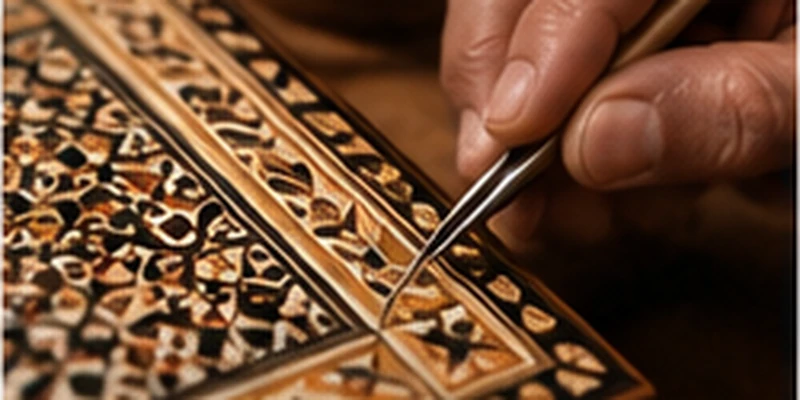
Khatam-kari Micro-Mosaic Marquetry

Tiny rods of wood, bone and metal are assembled into larger geometric bundles and sliced across their length. The pattern therefore has to be built in three dimensions before it appears as a flat surface.

The maker does not decorate the surface one fragment at a time. The pattern is engineered inside a bundle, then revealed by cutting it open.

Dhaka Muslin Spinning

CuriosityBangladesh

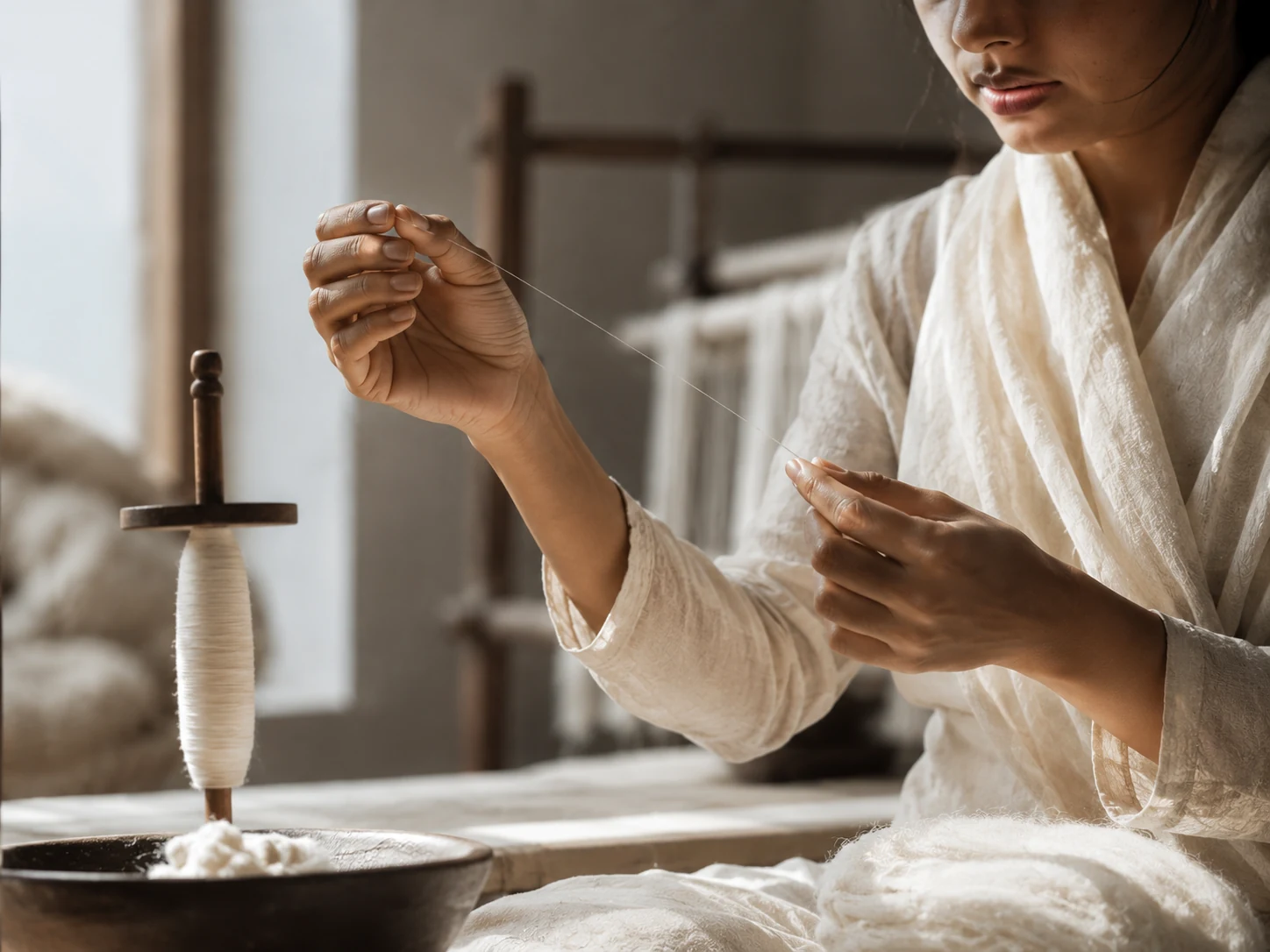
Dhaka Muslin Spinning

The finest Dhaka muslin thread is so fine that it breaks from a gentle human breath directed at it. The quality test: exhale softly at the fiber. If it breaks, the thread is correct.

The finest thread in the archive breaks from a breath. Dhaka muslin is tested by exhaling gently at the fiber. If it breaks, it is correct.


More from the archive →

A Global Research Map of Craft Technique

The Depository organizes public research leads through a 59-field schema covering materials, tools, process, context, risk, and possible applications. A mapped record is a starting point for deeper documentation; it is not presented as practitioner-verified unless that work has taken place.

Browse The ArchiveFind a Technique →

ARCHIVE MATURITY

From Research Lead to Living Transmission

The public collection is currently a mapped evidence base. CRAFT uses the following stages to show the deeper work still required and to avoid treating desk research as community verification.

01

Mapped

Structured from public and research sources.

02

Reviewed

Cross-checked and editorially strengthened.

03

Verified

Confirmed with a practitioner or knowledge-holding community.

04

Captured

Documented through interviews, images, video, or fieldwork.

05

Transmissible

Prepared for responsible teaching or application.

Global Coverage

205 countries · 2863 techniques

Türkiye

Loading archive…

CONTRIBUTE TO THE DEPOSITORY

Help Strengthen the Depository

Craft knowledge is dispersed across communities, workshops, and personal memory. Suggest a missing technique, contribute knowledge to an existing record, or help us correct something.

Every contribution is researched and reviewed before the archive is changed. Submissions are never published automatically.