
World Craft Depository

2,863 Mapped Technique Records
205 Countries Represented
59-Field Research Schema
From the Archive

Intelligence of the Hand

A rotating selection of extraordinary tacit knowledge from across CRAFT's growing global archive.

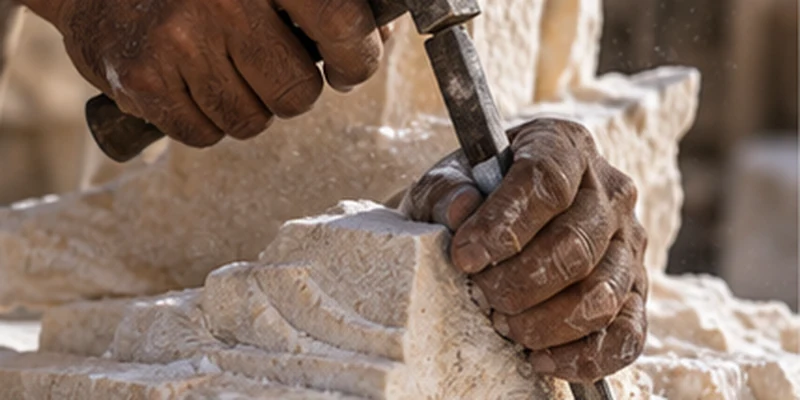
El Qurna Egyptian Alabaster Carving

ArticleEgypt

El Qurna Egyptian Alabaster Carving

Egyptian calcite can fracture under an overconfident blow. Carvers raised in El Qurna learn to judge hammer and chisel force through resistance transmitted back through the tool, progressively removing stone without opening an unseen crack.

Every strike removes stone. The real skill is knowing how much force the stone will forgive.

Emirati Dhow Carvel-Construction Boatbuilding

ArticleUnited Arab Emirates

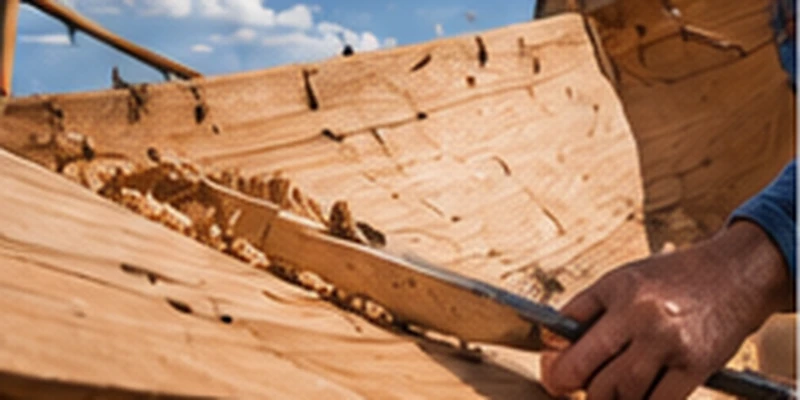
Emirati Dhow Carvel-Construction Boatbuilding

Traditional dhow shipwrights can build a hull without formal blueprints, judging curvature, proportion and the edge-to-edge fit of bent planks through internalized spatial knowledge.

A seaworthy vessel can begin as a shape held in the builder's mind. Hull geometry is transferred into timber through sight, touch and accumulated bodily memory.

Le Puy-en-Velay Bobbin Lace

ArticleFrance

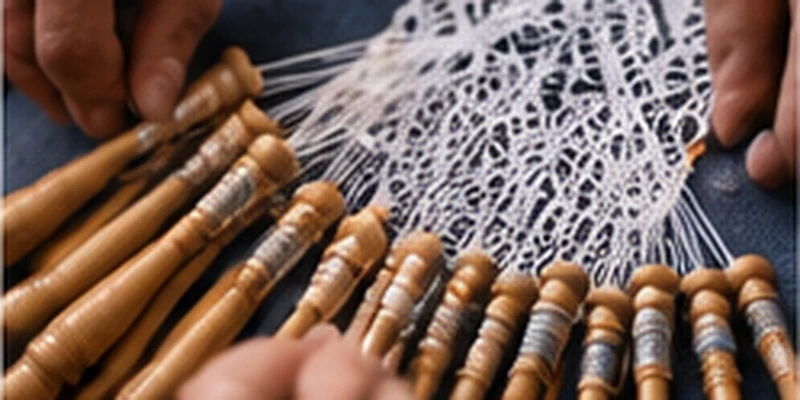
Le Puy-en-Velay Bobbin Lace

Dozens — sometimes hundreds — of bobbins remain active at once. The lacemaker no longer follows each thread independently; repeated crossings and twists are stored in the hands as rhythmic sequences.

What appears impossibly complex is handled as rhythm: cross, twist, pin, repeat.

Acoma Pueblo Thin-Wall Coil Pottery

ArticleUnited States

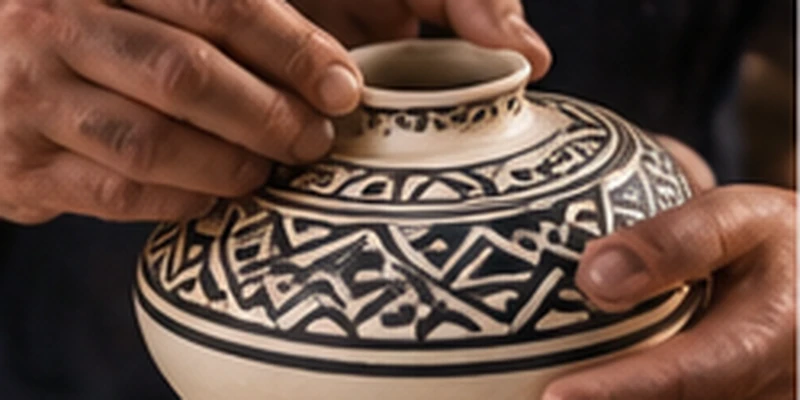
Acoma Pueblo Thin-Wall Coil Pottery

Acoma pottery walls are progressively scraped thinner while the vessel is rotated in the hand. The potter feels through the clay to decide how thin the wall can become without breaking through.

The decisive measurement is made through the fingertips. The hand stops thinning the wall at the point where translucency is close — and collapse is one scrape away.

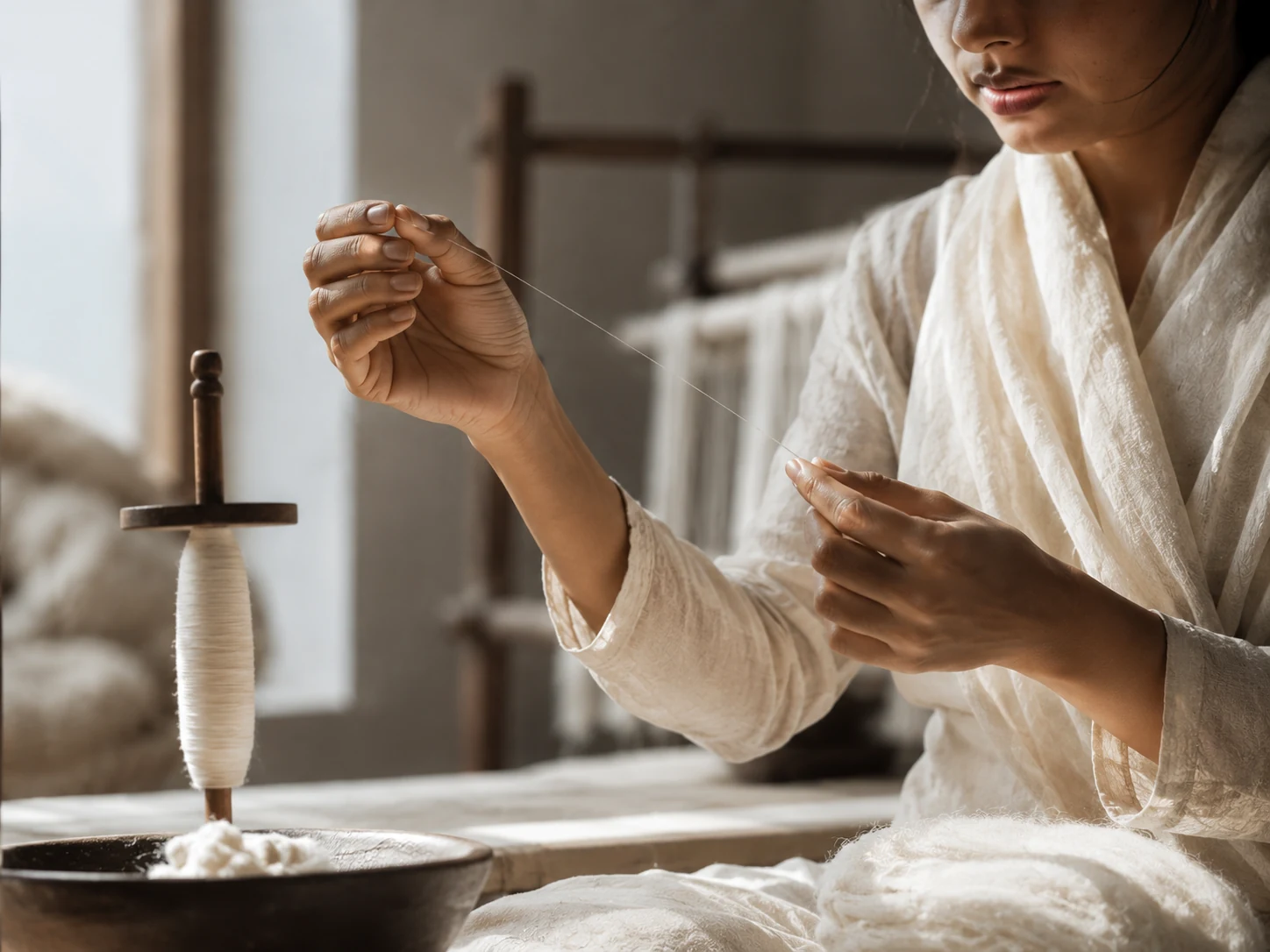
Dhaka Muslin Spinning

CuriosityBangladesh

Dhaka Muslin Spinning

The finest Dhaka muslin thread is so fine that it breaks from a gentle human breath directed at it. The quality test: exhale softly at the fiber. If it breaks, the thread is correct.

The finest thread in the archive breaks from a breath. Dhaka muslin is tested by exhaling gently at the fiber. If it breaks, it is correct.

Beit Chabab Naffah Bronze Bell Casting

ArticleLebanon

Beit Chabab Naffah Bronze Bell Casting

A bell mold made from mud, straw and goat hair takes roughly forty days to prepare. When the bronze is finally molten, the pour cannot be corrected: one mistake can erase six weeks of work before the bell has even existed.

Forty days of preparation arrive at one irreversible pour.


More from the archive →

A Global Research Map of Craft Technique

The Depository organizes public research leads through a 59-field schema covering materials, tools, process, context, risk, and possible applications. A mapped record is a starting point for deeper documentation; it is not presented as practitioner-verified unless that work has taken place.

Browse The ArchiveFind a Technique →

ARCHIVE MATURITY

From Research Lead to Living Transmission

The public collection is currently a mapped evidence base. CRAFT uses the following stages to show the deeper work still required and to avoid treating desk research as community verification.

01

Mapped

Structured from public and research sources.

02

Reviewed

Cross-checked and editorially strengthened.

03

Verified

Confirmed with a practitioner or knowledge-holding community.

04

Captured

Documented through interviews, images, video, or fieldwork.

05

Transmissible

Prepared for responsible teaching or application.

Global Coverage

205 countries · 2863 techniques

Republic of the Congo

Loading archive…

CONTRIBUTE TO THE DEPOSITORY

Help Strengthen the Depository

Craft knowledge is dispersed across communities, workshops, and personal memory. Suggest a missing technique, contribute knowledge to an existing record, or help us correct something.

Every contribution is researched and reviewed before the archive is changed. Submissions are never published automatically.