
World Craft Depository

2,863 Mapped Technique Records
205 Countries Represented
59-Field Research Schema
From the Archive

Intelligence of the Hand

A rotating selection of extraordinary tacit knowledge from across CRAFT's growing global archive.

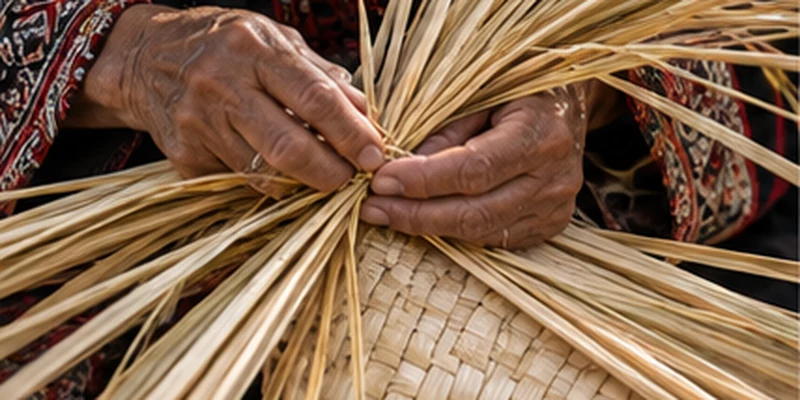
Palestinian Al-Khawwas Straw & Palm-Frond Weaving

ArticlePalestine

Palestinian Al-Khawwas Straw & Palm-Frond Weaving

One documented Palestinian basket maker works the weave entirely by feel, without watching the movement of her thumb and forefinger. Decades of repetition have transferred the sequence from visual attention into the hands themselves.

Her eyes do not need to follow the weave. Her fingers already know where the next strand belongs.

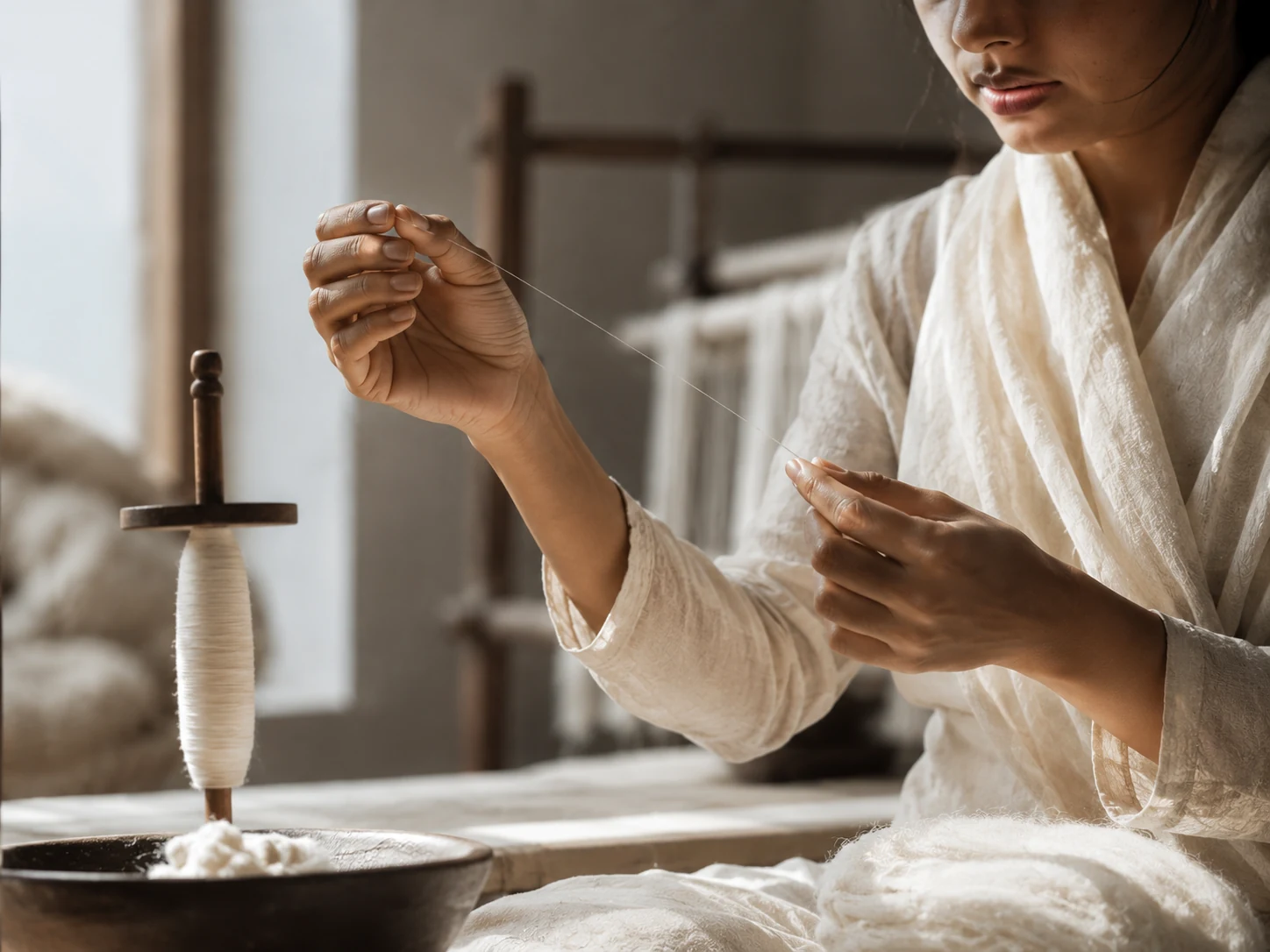
Dhaka Muslin Spinning

CuriosityBangladesh

Dhaka Muslin Spinning

The finest Dhaka muslin thread is so fine that it breaks from a gentle human breath directed at it. The quality test: exhale softly at the fiber. If it breaks, the thread is correct.

The finest thread in the archive breaks from a breath. Dhaka muslin is tested by exhaling gently at the fiber. If it breaks, it is correct.

Agadez Cross Lost-Wax Silversmithing

ArticleNiger

Agadez Cross Lost-Wax Silversmithing

The cross is cast entirely by lost-wax rather than hammered into shape. Once cast, each piece receives etched geometric decoration unique to that object; the inherited form is repeated, but the surface is judged and cut by hand.

The form repeats; the surface never does. A centuries-old geometry still leaves room for the hand of each smith.

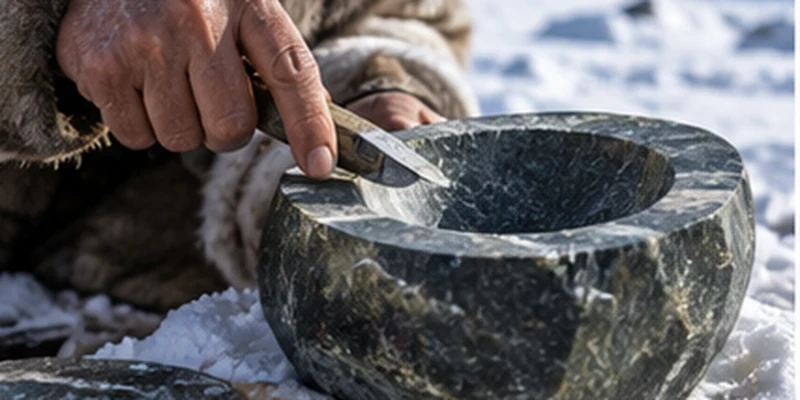
Inuit Qulliq Soapstone Lamp Carving

ArticleCanada

Inuit Qulliq Soapstone Lamp Carving

A qulliq must hold burning animal fat for long periods without cracking. As the soapstone reservoir is hollowed, the carver continuously judges wall thickness and depth by resistance under the tool, balancing fuel capacity against the stone left for strength.

Too much stone and the lamp holds less fuel. Too little and centuries of heat knowledge end in a crack.

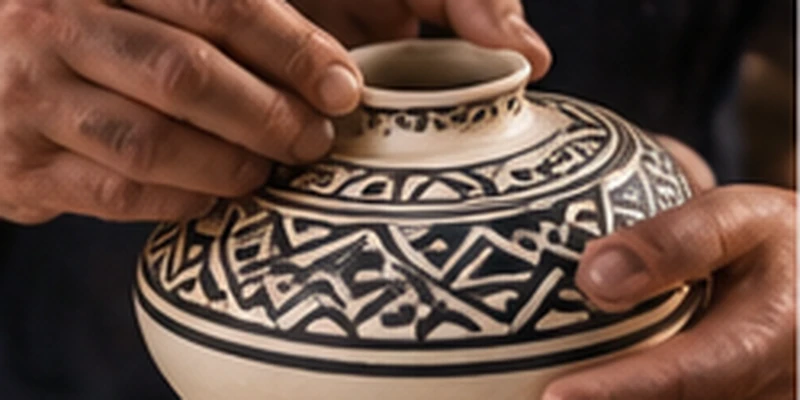
Acoma Pueblo Thin-Wall Coil Pottery

ArticleUnited States

Acoma Pueblo Thin-Wall Coil Pottery

Acoma pottery walls are progressively scraped thinner while the vessel is rotated in the hand. The potter feels through the clay to decide how thin the wall can become without breaking through.

The decisive measurement is made through the fingertips. The hand stops thinning the wall at the point where translucency is close — and collapse is one scrape away.

Greek Caique Boat Building

ArticleGreece

Greek Caique Boat Building

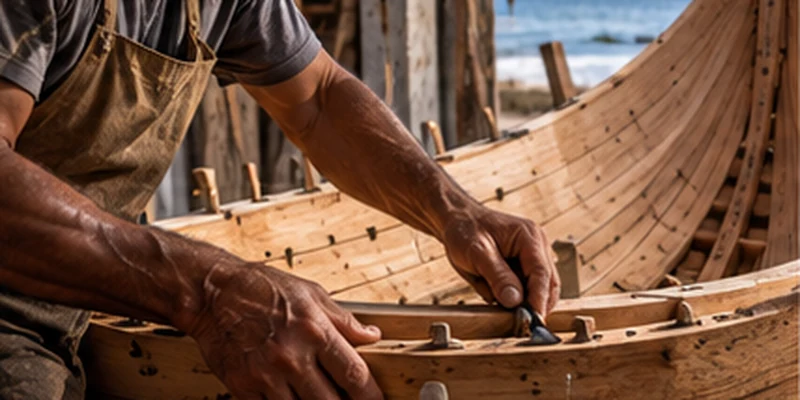
When a steamed hull plank leaves the steam box, the boatbuilder has only seconds to read three signals at once: the cloud of escaping steam, heat and moisture against the hand, and whether the first flex is silent. Then roughly a minute remains to bend it before it cools.

Steam, touch and sound give the answer. Then the builder has about sixty seconds to act.


More from the archive →

A Global Research Map of Craft Technique

The Depository organizes public research leads through a 59-field schema covering materials, tools, process, context, risk, and possible applications. A mapped record is a starting point for deeper documentation; it is not presented as practitioner-verified unless that work has taken place.

Browse The ArchiveFind a Technique →

ARCHIVE MATURITY

From Research Lead to Living Transmission

The public collection is currently a mapped evidence base. CRAFT uses the following stages to show the deeper work still required and to avoid treating desk research as community verification.

01

Mapped

Structured from public and research sources.

02

Reviewed

Cross-checked and editorially strengthened.

03

Verified

Confirmed with a practitioner or knowledge-holding community.

04

Captured

Documented through interviews, images, video, or fieldwork.

05

Transmissible

Prepared for responsible teaching or application.

Global Coverage

205 countries · 2863 techniques

Réunion (France)

Loading archive…

CONTRIBUTE TO THE DEPOSITORY

Help Strengthen the Depository

Craft knowledge is dispersed across communities, workshops, and personal memory. Suggest a missing technique, contribute knowledge to an existing record, or help us correct something.

Every contribution is researched and reviewed before the archive is changed. Submissions are never published automatically.