
World Craft Depository

2,863 Mapped Technique Records
205 Countries Represented
59-Field Research Schema
From the Archive

Intelligence of the Hand

A rotating selection of extraordinary tacit knowledge from across CRAFT's growing global archive.

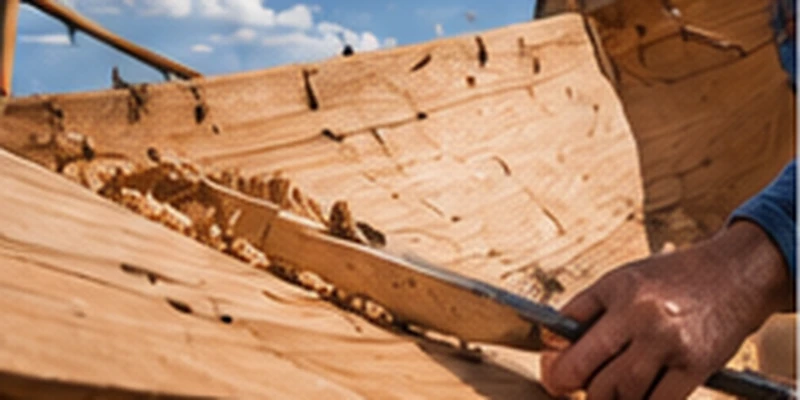
Emirati Dhow Carvel-Construction Boatbuilding

ArticleUnited Arab Emirates

Emirati Dhow Carvel-Construction Boatbuilding

Traditional dhow shipwrights can build a hull without formal blueprints, judging curvature, proportion and the edge-to-edge fit of bent planks through internalized spatial knowledge.

A seaworthy vessel can begin as a shape held in the builder's mind. Hull geometry is transferred into timber through sight, touch and accumulated bodily memory.

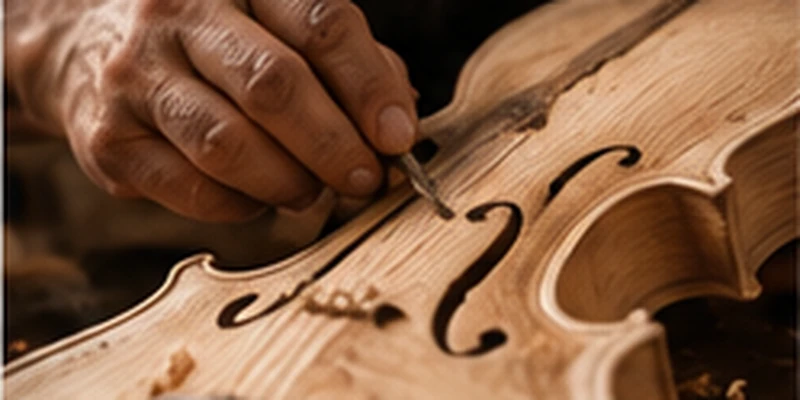
Cremona Violin Making

ArticleItaly

Cremona Violin Making

Before a Cremonese violin has strings, its top and back plates are already being tuned. The luthier taps the wood, hearing the note while also feeling the vibration through the fingers.

A violin begins to reveal its voice while it is still pieces of wood. The maker removes minute amounts until sound, stiffness and vibration reach the right balance.

Atayal Night Weaving

ArticleTaiwan

Atayal Night Weaving

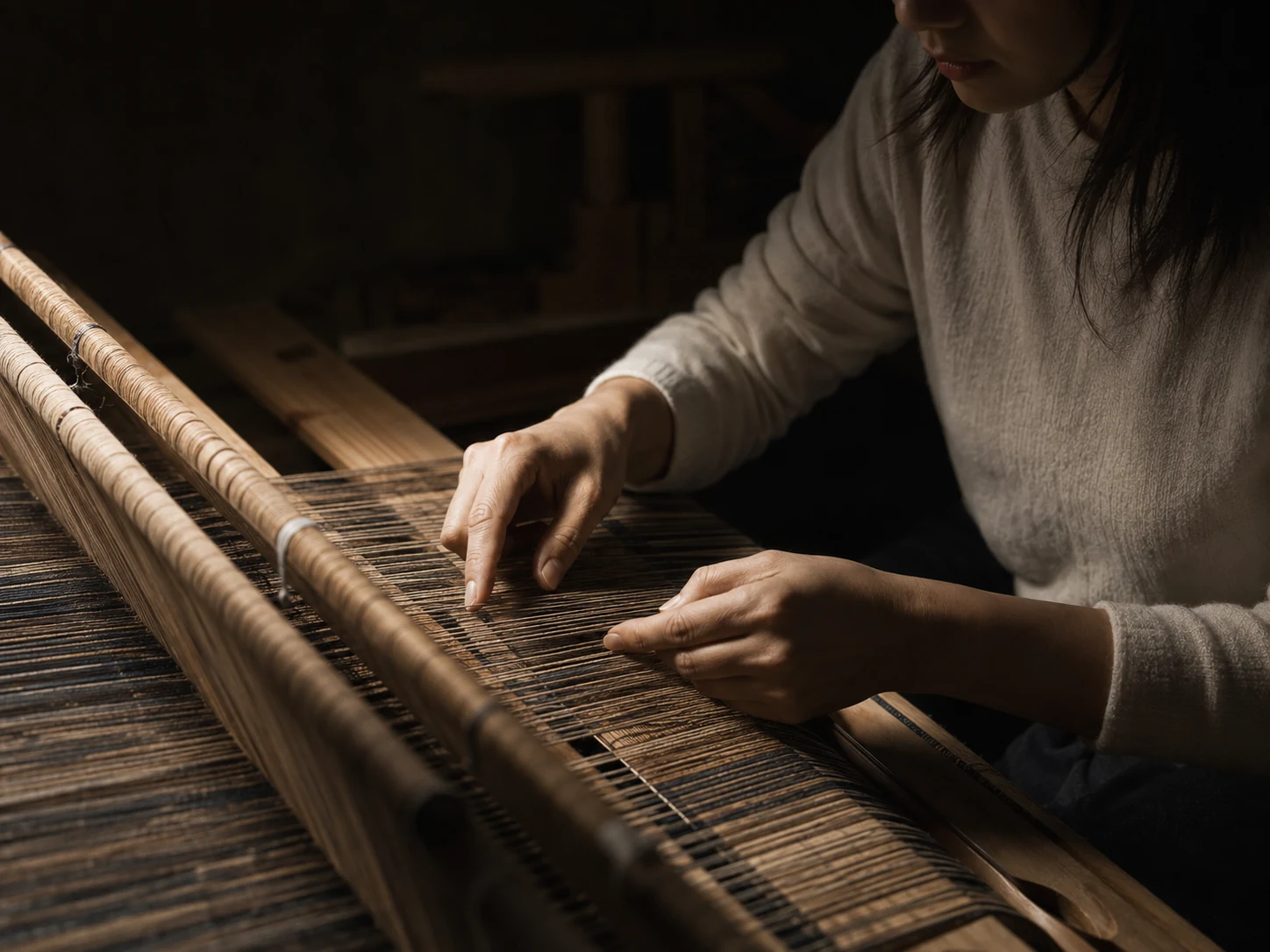
Atayal weavers deliberately practice in reduced light to force haptic thread identification. Darkness is not a constraint — it is a training tool.

The Atayal people of Taiwan deliberately weave in the dark — not by necessity but by design, to train the hands to read what the eyes cannot see.

Beit Chabab Naffah Bronze Bell Casting

ArticleLebanon

Beit Chabab Naffah Bronze Bell Casting

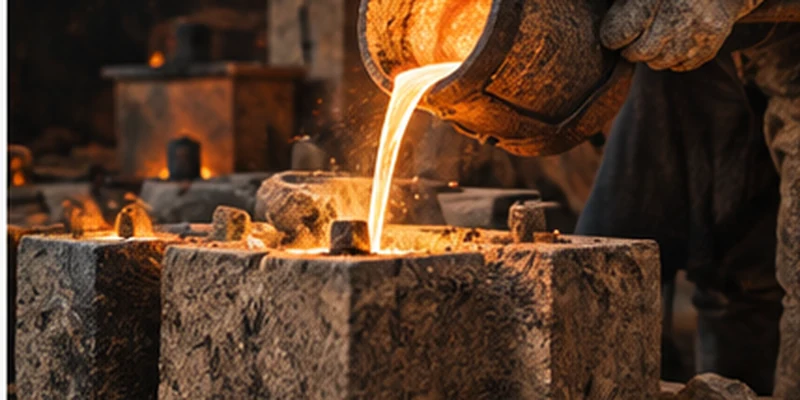
A bell mold made from mud, straw and goat hair takes roughly forty days to prepare. When the bronze is finally molten, the pour cannot be corrected: one mistake can erase six weeks of work before the bell has even existed.

Forty days of preparation arrive at one irreversible pour.

Agadez Cross Lost-Wax Silversmithing

ArticleNiger

Agadez Cross Lost-Wax Silversmithing

The cross is cast entirely by lost-wax rather than hammered into shape. Once cast, each piece receives etched geometric decoration unique to that object; the inherited form is repeated, but the surface is judged and cut by hand.

The form repeats; the surface never does. A centuries-old geometry still leaves room for the hand of each smith.

Oaxacan Black Pottery

ArticleMexico

Oaxacan Black Pottery

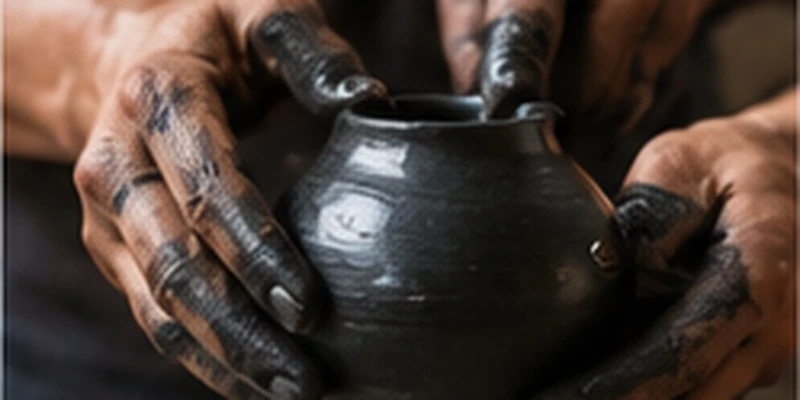
The famous sheen of barro negro is created by burnishing nearly dry clay before firing. The surface must be firm enough to withstand rubbing yet soft enough for the stone to compress it.

The black shine is not a glaze. It begins as pressure applied at exactly the right stage of dryness.


More from the archive →

A Global Research Map of Craft Technique

The Depository organizes public research leads through a 59-field schema covering materials, tools, process, context, risk, and possible applications. A mapped record is a starting point for deeper documentation; it is not presented as practitioner-verified unless that work has taken place.

Browse The ArchiveFind a Technique →

ARCHIVE MATURITY

From Research Lead to Living Transmission

The public collection is currently a mapped evidence base. CRAFT uses the following stages to show the deeper work still required and to avoid treating desk research as community verification.

01

Mapped

Structured from public and research sources.

02

Reviewed

Cross-checked and editorially strengthened.

03

Verified

Confirmed with a practitioner or knowledge-holding community.

04

Captured

Documented through interviews, images, video, or fieldwork.

05

Transmissible

Prepared for responsible teaching or application.

Global Coverage

205 countries · 2863 techniques

Mozambique

Loading archive…

CONTRIBUTE TO THE DEPOSITORY

Help Strengthen the Depository

Craft knowledge is dispersed across communities, workshops, and personal memory. Suggest a missing technique, contribute knowledge to an existing record, or help us correct something.

Every contribution is researched and reviewed before the archive is changed. Submissions are never published automatically.