
World Craft Depository

2,863 Mapped Technique Records
205 Countries Represented
59-Field Research Schema
From the Archive

Intelligence of the Hand

A rotating selection of extraordinary tacit knowledge from across CRAFT's growing global archive.

Al-Sadu Bedouin Weaving

ArticleSaudi Arabia

Al-Sadu Bedouin Weaving

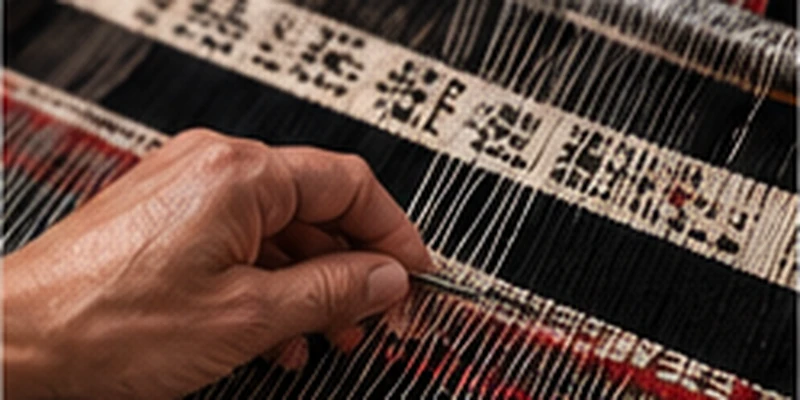
Long geometric bands are produced through counted warp relationships maintained while the weaver also controls tension. Pattern, structure and rhythm are held together in the same sequence of movements.

In Al-Sadu, geometry is not drawn onto cloth. It is built directly into its tension and structure.

Thai-Malay Kris Blade Making

ArticleThailand

Thai-Malay Kris Blade Making

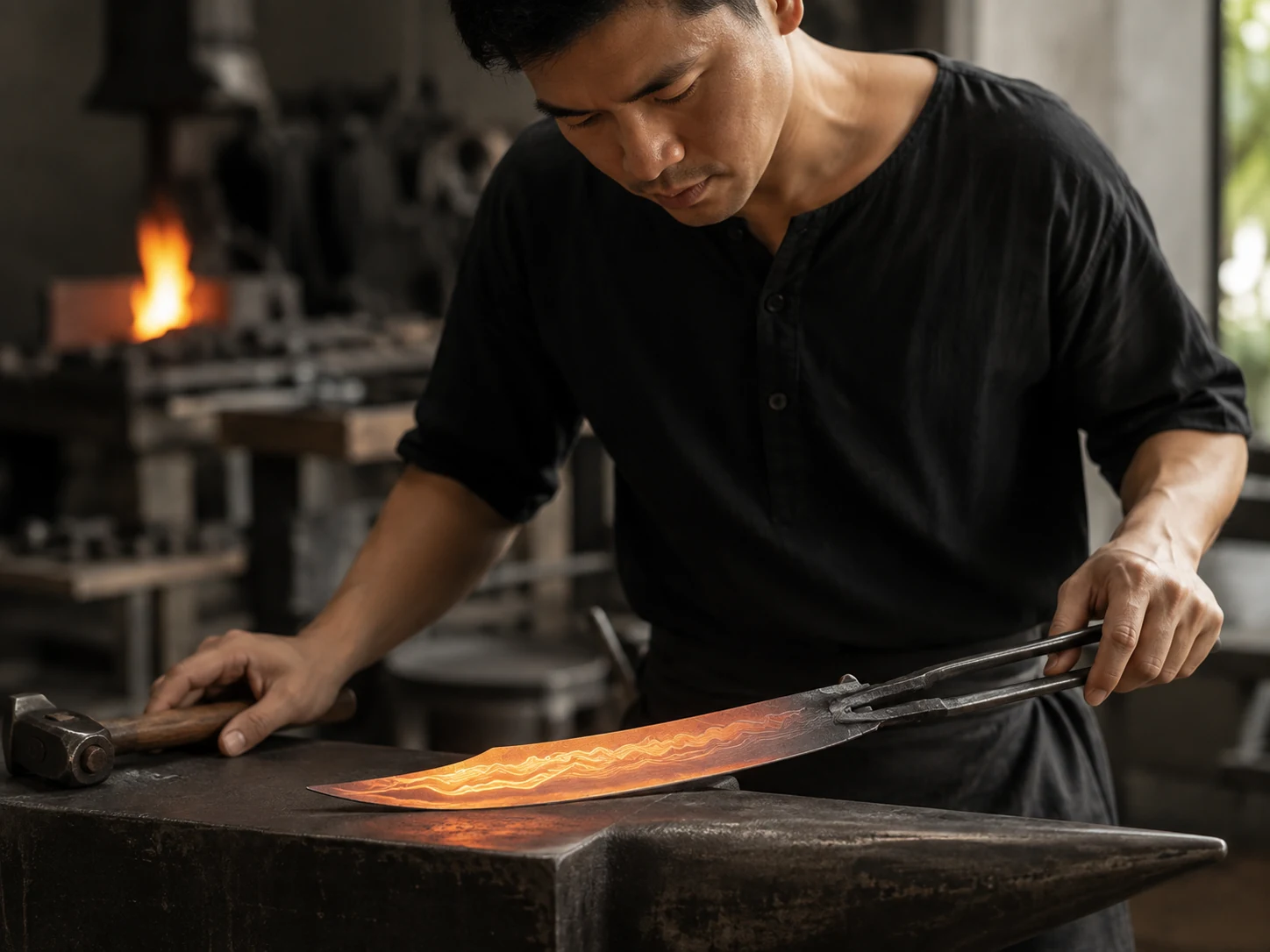
As the composite pamor billet is forged, the smith reads the emerging pattern in hot metal and guides the hammer to encourage the organic flow — not to impose it. The pamor pattern is never fully planned in advance.

The pattern of a Thai-Malay Kris blade is not designed. It is negotiated — between the smith's hammer and the hot metal.

Fez Zellige Hand-Cut Mosaic Tilework

ArticleMorocco

Fez Zellige Hand-Cut Mosaic Tilework

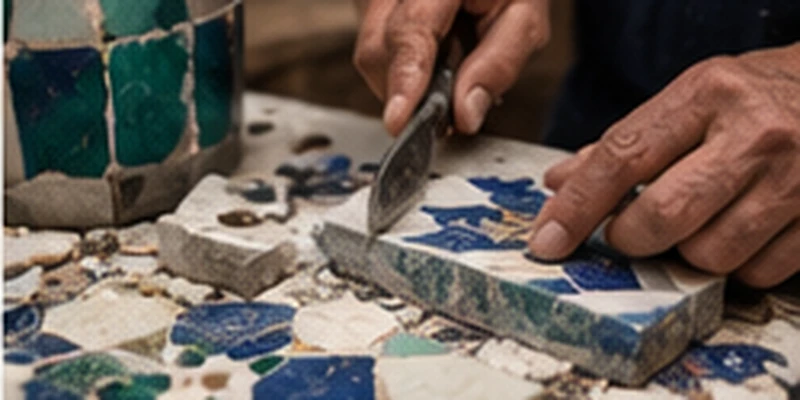
A seasoned maalem (master craftsman) can judge the correct cutting angle for a tile purely from the sound and feel of the hammer striking terracotta. The pieces are then assembled face-down, so the complete pattern cannot be seen while it is being built.

The zellige maker cuts geometry by ear as much as by eye — then assembles hundreds of fragments into a composition he cannot fully see until it is complete.

Toledo Damascene Metal Inlay

ArticleSpain

Toledo Damascene Metal Inlay

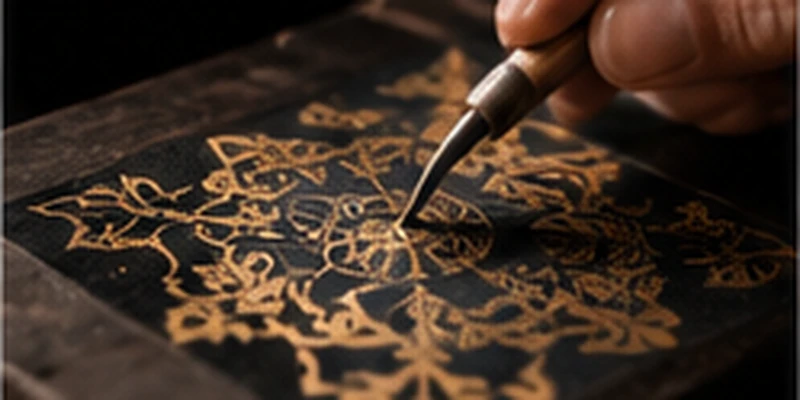
Before gold or silver wire is hammered into steel, the surface is cut into a microscopic cross-hatched grip. Experienced damasquinadores test the depth of that texture with a fingernail before committing the precious metal.

Before the gold goes in, a fingernail decides whether the steel is ready to hold it.

Agadez Cross Lost-Wax Silversmithing

ArticleNiger

Agadez Cross Lost-Wax Silversmithing

The cross is cast entirely by lost-wax rather than hammered into shape. Once cast, each piece receives etched geometric decoration unique to that object; the inherited form is repeated, but the surface is judged and cut by hand.

The form repeats; the surface never does. A centuries-old geometry still leaves room for the hand of each smith.

Oaxacan Black Pottery

ArticleMexico

Oaxacan Black Pottery

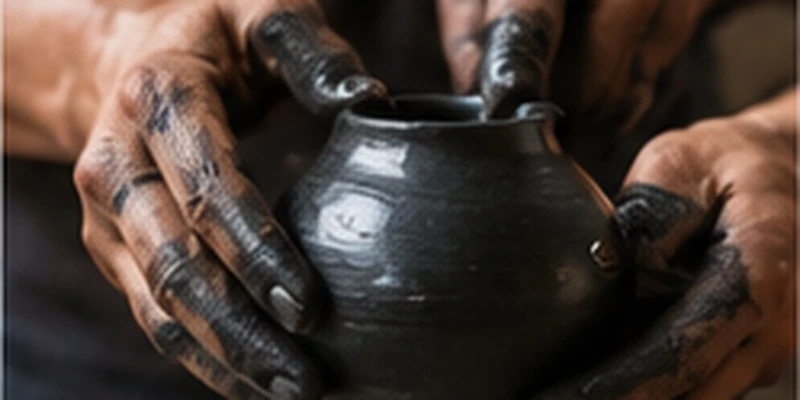
The famous sheen of barro negro is created by burnishing nearly dry clay before firing. The surface must be firm enough to withstand rubbing yet soft enough for the stone to compress it.

The black shine is not a glaze. It begins as pressure applied at exactly the right stage of dryness.


More from the archive →

A Global Research Map of Craft Technique

The Depository organizes public research leads through a 59-field schema covering materials, tools, process, context, risk, and possible applications. A mapped record is a starting point for deeper documentation; it is not presented as practitioner-verified unless that work has taken place.

Browse The ArchiveFind a Technique →

ARCHIVE MATURITY

From Research Lead to Living Transmission

The public collection is currently a mapped evidence base. CRAFT uses the following stages to show the deeper work still required and to avoid treating desk research as community verification.

01

Mapped

Structured from public and research sources.

02

Reviewed

Cross-checked and editorially strengthened.

03

Verified

Confirmed with a practitioner or knowledge-holding community.

04

Captured

Documented through interviews, images, video, or fieldwork.

05

Transmissible

Prepared for responsible teaching or application.

Global Coverage

205 countries · 2863 techniques

Malta

Loading archive…

CONTRIBUTE TO THE DEPOSITORY

Help Strengthen the Depository

Craft knowledge is dispersed across communities, workshops, and personal memory. Suggest a missing technique, contribute knowledge to an existing record, or help us correct something.

Every contribution is researched and reviewed before the archive is changed. Submissions are never published automatically.