
World Craft Depository

2,863 Mapped Technique Records
205 Countries Represented
59-Field Research Schema
From the Archive

Intelligence of the Hand

A rotating selection of extraordinary tacit knowledge from across CRAFT's growing global archive.

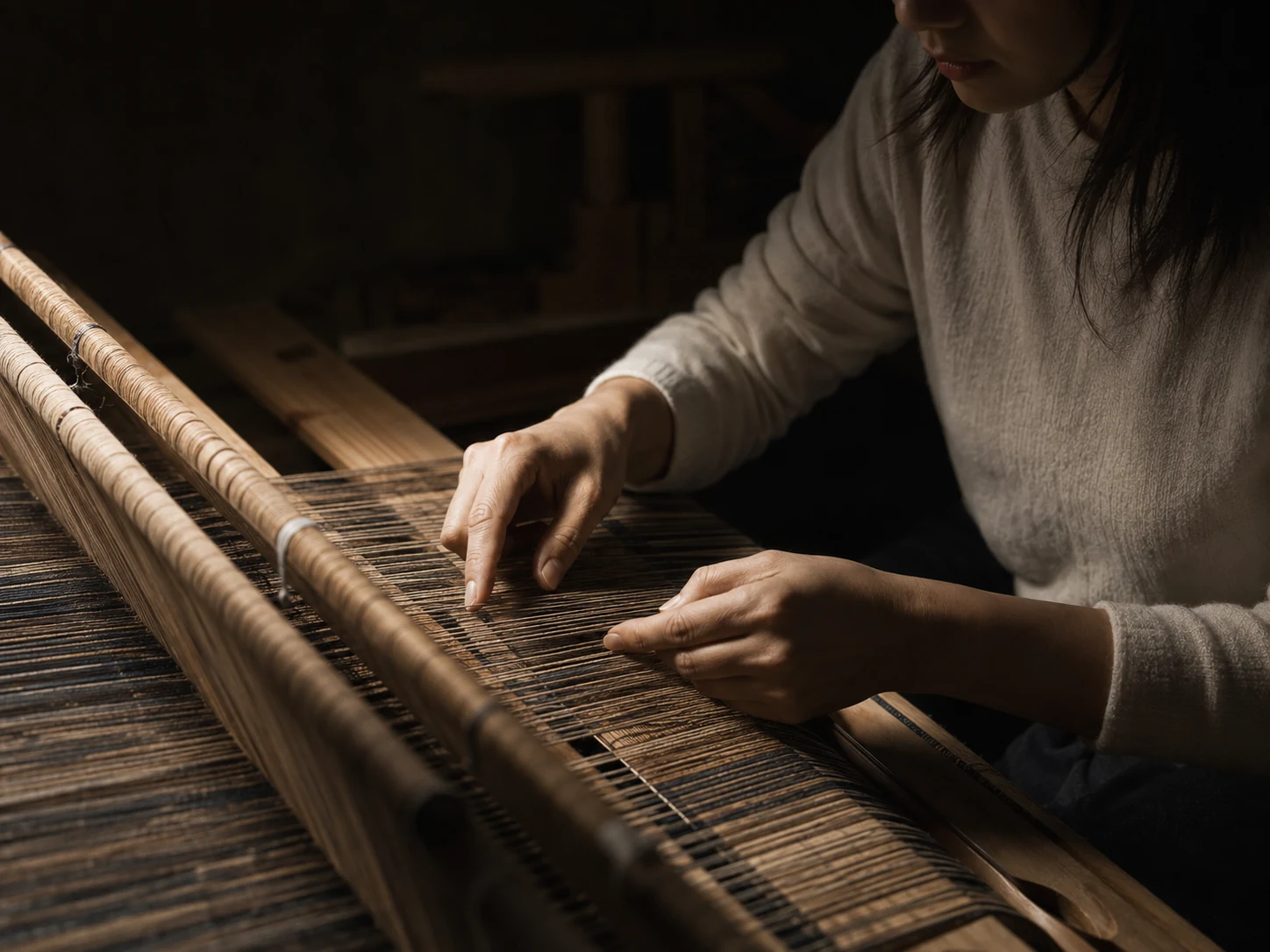
Atayal Night Weaving

ArticleTaiwan

Atayal Night Weaving

Atayal weavers deliberately practice in reduced light to force haptic thread identification. Darkness is not a constraint — it is a training tool.

The Atayal people of Taiwan deliberately weave in the dark — not by necessity but by design, to train the hands to read what the eyes cannot see.

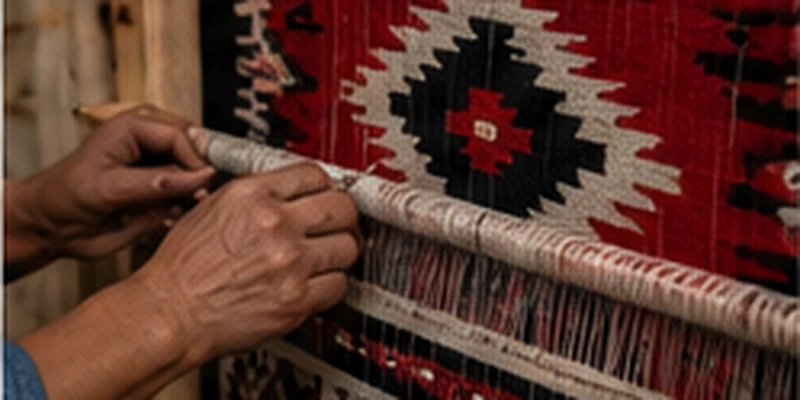
Diné (Navajo) Upright-Loom Rug Weaving

ArticleUnited States

Diné (Navajo) Upright-Loom Rug Weaving

The weaver reads fabric density through the resistance and sound of the comb strikes, adjusting force by feel while holding the geometric pattern in memory rather than following a written chart.

The loom speaks back through sound and resistance. A Diné weaver listens, feels and remembers at the same time to keep tension and pattern coherent.

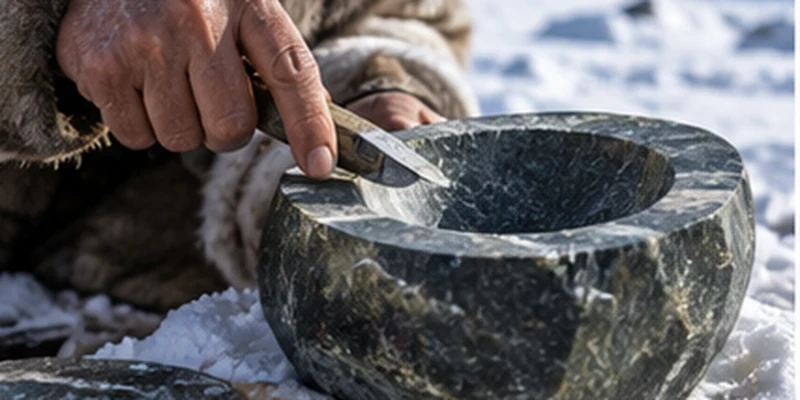
Inuit Qulliq Soapstone Lamp Carving

ArticleCanada

Inuit Qulliq Soapstone Lamp Carving

A qulliq must hold burning animal fat for long periods without cracking. As the soapstone reservoir is hollowed, the carver continuously judges wall thickness and depth by resistance under the tool, balancing fuel capacity against the stone left for strength.

Too much stone and the lamp holds less fuel. Too little and centuries of heat knowledge end in a crack.

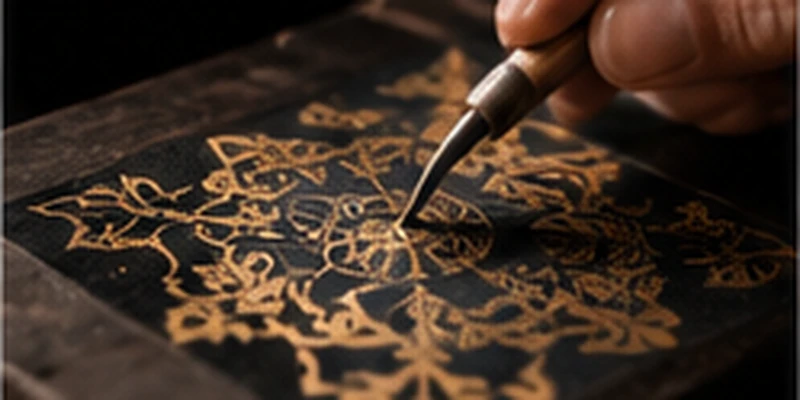
Toledo Damascene Metal Inlay

ArticleSpain

Toledo Damascene Metal Inlay

Before gold or silver wire is hammered into steel, the surface is cut into a microscopic cross-hatched grip. Experienced damasquinadores test the depth of that texture with a fingernail before committing the precious metal.

Before the gold goes in, a fingernail decides whether the steel is ready to hold it.

El Qurna Egyptian Alabaster Carving

ArticleEgypt

El Qurna Egyptian Alabaster Carving

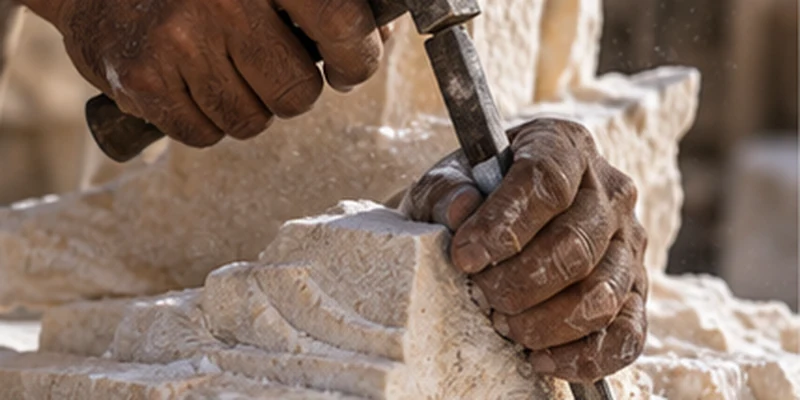
Egyptian calcite can fracture under an overconfident blow. Carvers raised in El Qurna learn to judge hammer and chisel force through resistance transmitted back through the tool, progressively removing stone without opening an unseen crack.

Every strike removes stone. The real skill is knowing how much force the stone will forgive.

Al-Qatt Al-Asiri Wall Painting

ArticleSaudi Arabia

Al-Qatt Al-Asiri Wall Painting

Complex geometric wall compositions are traditionally laid out without mechanical plotting. The painter balances repeated triangles, bands and color fields while continually adjusting the composition to the architecture in front of her.

The wall is not simply a surface to decorate. Its proportions become part of the pattern as the painter works.


More from the archive →

A Global Research Map of Craft Technique

The Depository organizes public research leads through a 59-field schema covering materials, tools, process, context, risk, and possible applications. A mapped record is a starting point for deeper documentation; it is not presented as practitioner-verified unless that work has taken place.

Browse The ArchiveFind a Technique →

ARCHIVE MATURITY

From Research Lead to Living Transmission

The public collection is currently a mapped evidence base. CRAFT uses the following stages to show the deeper work still required and to avoid treating desk research as community verification.

01

Mapped

Structured from public and research sources.

02

Reviewed

Cross-checked and editorially strengthened.

03

Verified

Confirmed with a practitioner or knowledge-holding community.

04

Captured

Documented through interviews, images, video, or fieldwork.

05

Transmissible

Prepared for responsible teaching or application.

Global Coverage

205 countries · 2863 techniques

Kazakhstan

Loading archive…

CONTRIBUTE TO THE DEPOSITORY

Help Strengthen the Depository

Craft knowledge is dispersed across communities, workshops, and personal memory. Suggest a missing technique, contribute knowledge to an existing record, or help us correct something.

Every contribution is researched and reviewed before the archive is changed. Submissions are never published automatically.