World Craft Depository

2,863 Mapped Technique Records
205 Countries Represented
59-Field Research Schema
From the Archive

Intelligence of the Hand

A rotating selection of extraordinary tacit knowledge from across CRAFT's growing global archive.

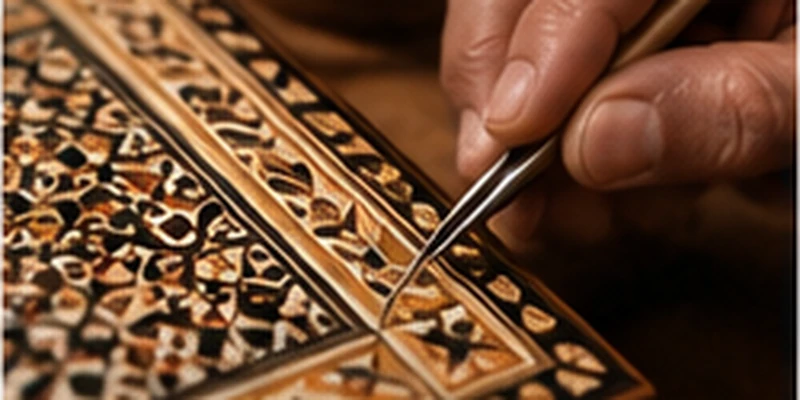
Khatam-kari Micro-Mosaic Marquetry

ArticleIran

Khatam-kari Micro-Mosaic Marquetry

Tiny rods of wood, bone and metal are assembled into larger geometric bundles and sliced across their length. The pattern therefore has to be built in three dimensions before it appears as a flat surface.

The maker does not decorate the surface one fragment at a time. The pattern is engineered inside a bundle, then revealed by cutting it open.

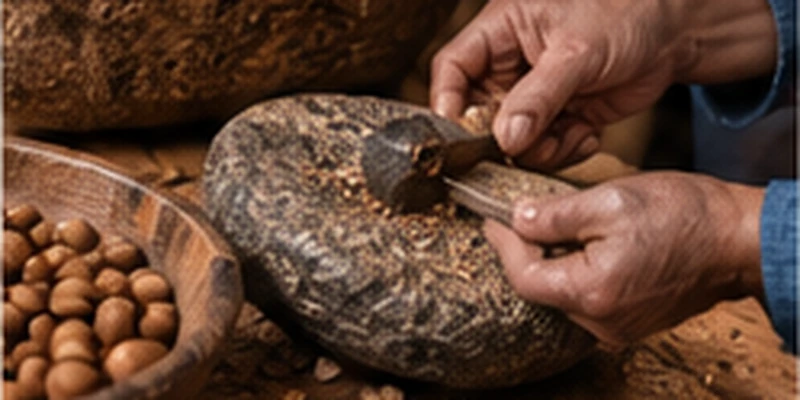
Argan Oil Traditional Hand-Extraction

ArticleMorocco

Argan Oil Traditional Hand-Extraction

The argan nut is cracked between two stones with enough force to open one of the hardest fruit shells in the world — but not enough to crush the kernel inside. The correct angle and impact are learned by hand.

The first test in traditional argan oil making is a controlled fracture: break the shell, preserve the kernel. Later, the hands judge when kneaded paste is ready to release its oil.

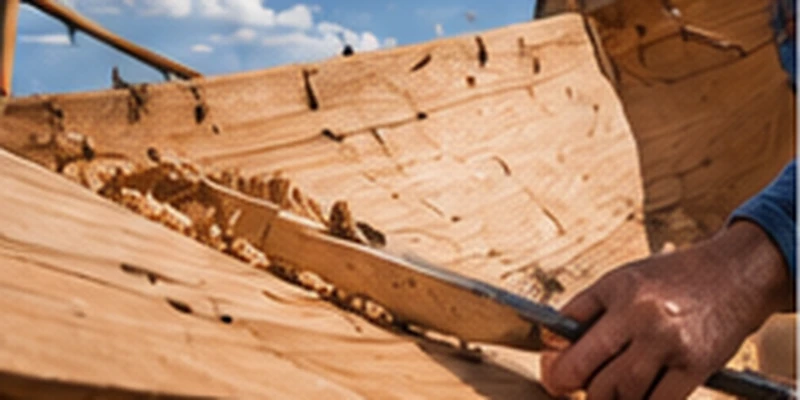
Emirati Dhow Carvel-Construction Boatbuilding

ArticleUnited Arab Emirates

Emirati Dhow Carvel-Construction Boatbuilding

Traditional dhow shipwrights can build a hull without formal blueprints, judging curvature, proportion and the edge-to-edge fit of bent planks through internalized spatial knowledge.

A seaworthy vessel can begin as a shape held in the builder's mind. Hull geometry is transferred into timber through sight, touch and accumulated bodily memory.

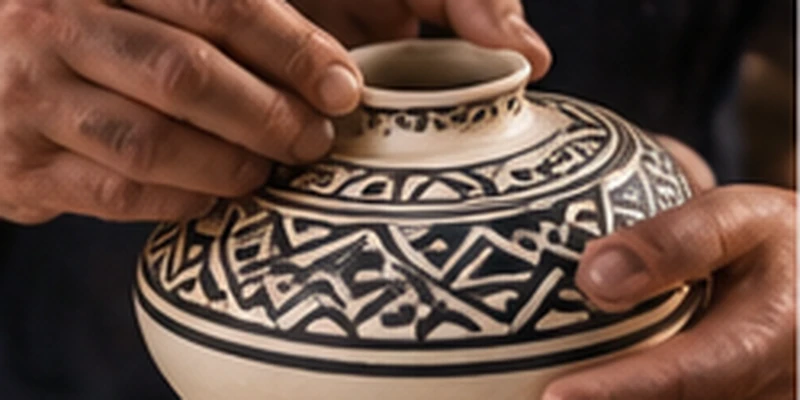
Acoma Pueblo Thin-Wall Coil Pottery

ArticleUnited States

Acoma Pueblo Thin-Wall Coil Pottery

Acoma pottery walls are progressively scraped thinner while the vessel is rotated in the hand. The potter feels through the clay to decide how thin the wall can become without breaking through.

The decisive measurement is made through the fingertips. The hand stops thinning the wall at the point where translucency is close — and collapse is one scrape away.

Murano Glassblowing

ArticleItaly

Murano Glassblowing

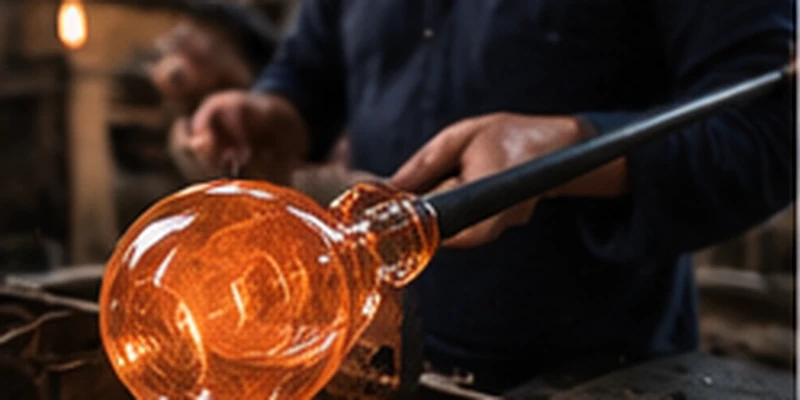
A Murano glassblower reads molten glass by color, weight, resistance and surface sheen. The useful working window between too hot and too cold can last only 20–40 seconds.

For the Murano glassblower, color is a thermometer and the blowpipe is a sensor. The hand must decide within seconds whether the glass will move, hold or fail.

Marquesan Tattooing

CuriosityFrench Polynesia

Marquesan Tattooing

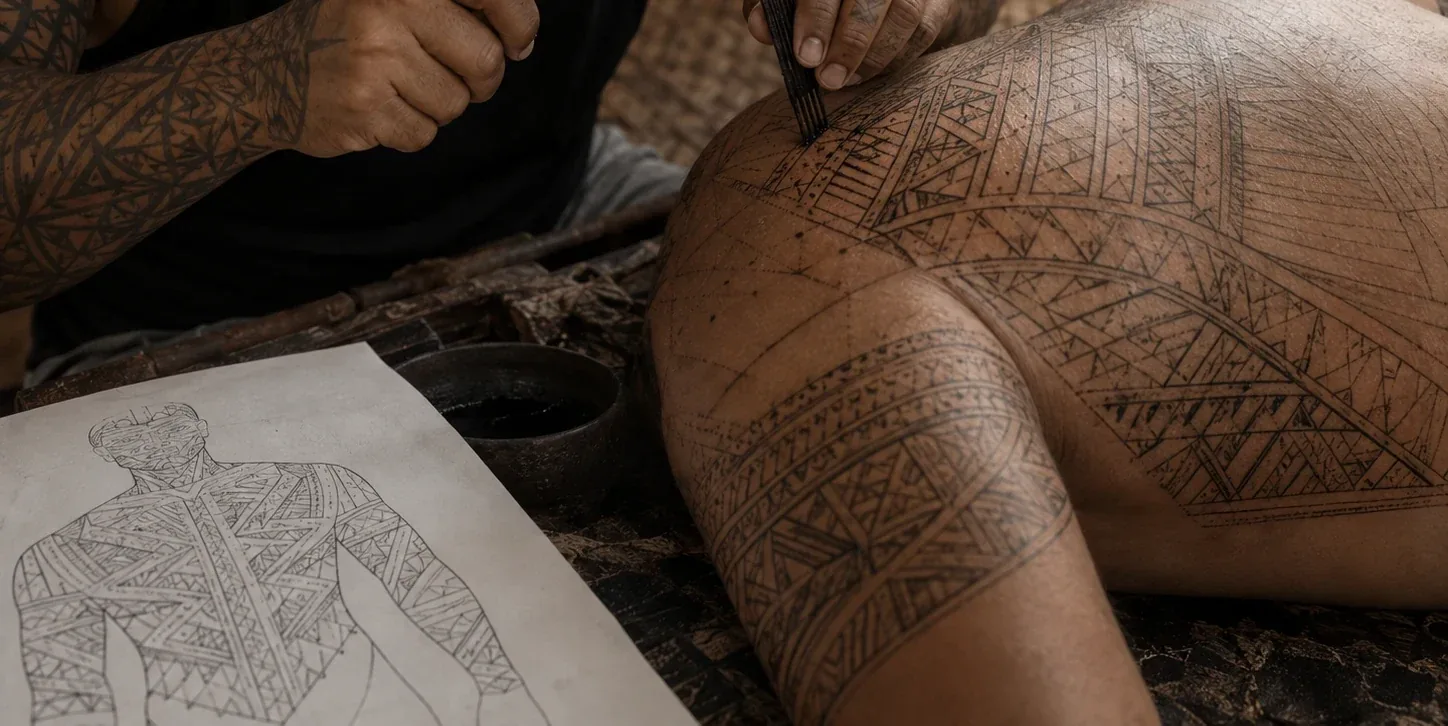
A whole-body Marquesan tattoo composition requires 5–15 years of sessions. The tuhuka must maintain spatial memory of the whole-body composition across multi-year intervals.

The Marquesan master tattooist holds a whole-body composition in spatial memory for up to 15 years — adding to it, session by session, across a human lifetime.


More from the archive →

A Global Research Map of Craft Technique

The Depository organizes public research leads through a 59-field schema covering materials, tools, process, context, risk, and possible applications. A mapped record is a starting point for deeper documentation; it is not presented as practitioner-verified unless that work has taken place.

Browse The ArchiveFind a Technique →

ARCHIVE MATURITY

From Research Lead to Living Transmission

The public collection is currently a mapped evidence base. CRAFT uses the following stages to show the deeper work still required and to avoid treating desk research as community verification.

01

Mapped

Structured from public and research sources.

02

Reviewed

Cross-checked and editorially strengthened.

03

Verified

Confirmed with a practitioner or knowledge-holding community.

04

Captured

Documented through interviews, images, video, or fieldwork.

05

Transmissible

Prepared for responsible teaching or application.

Global Coverage

205 countries · 2863 techniques

French Guiana (France)

Loading archive…

CONTRIBUTE TO THE DEPOSITORY

Help Strengthen the Depository

Craft knowledge is dispersed across communities, workshops, and personal memory. Suggest a missing technique, contribute knowledge to an existing record, or help us correct something.

Every contribution is researched and reviewed before the archive is changed. Submissions are never published automatically.