World Craft Depository

3,013 Mapped Technique Records
205 Countries Represented
59-Field Research Schema
From the Archive

Intelligence of the Hand

A rotating selection of extraordinary tacit knowledge from across CRAFT's growing global archive.

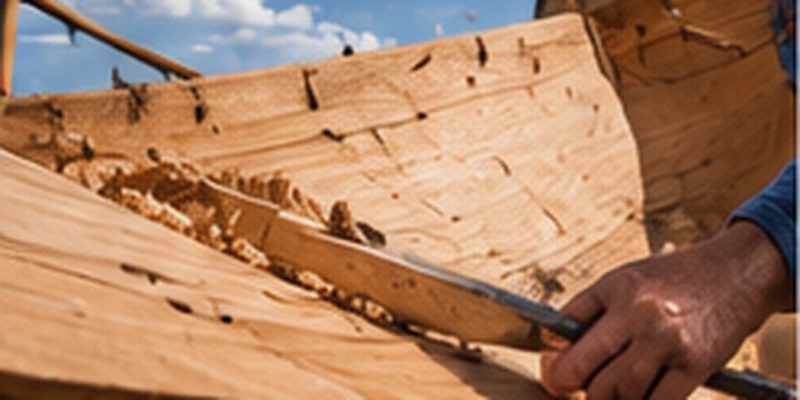
Emirati Dhow Carvel-Construction Boatbuilding

ArticleUnited Arab Emirates

Emirati Dhow Carvel-Construction Boatbuilding

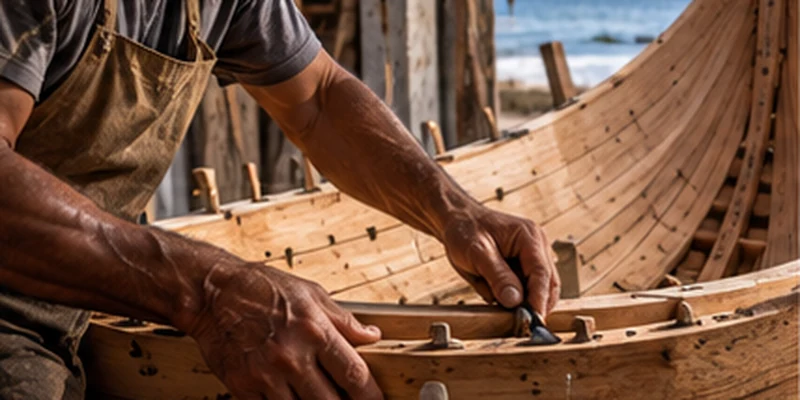
Traditional dhow shipwrights can build a hull without formal blueprints, judging curvature, proportion and the edge-to-edge fit of bent planks through internalized spatial knowledge.

A seaworthy vessel can begin as a shape held in the builder's mind. Hull geometry is transferred into timber through sight, touch and accumulated bodily memory.

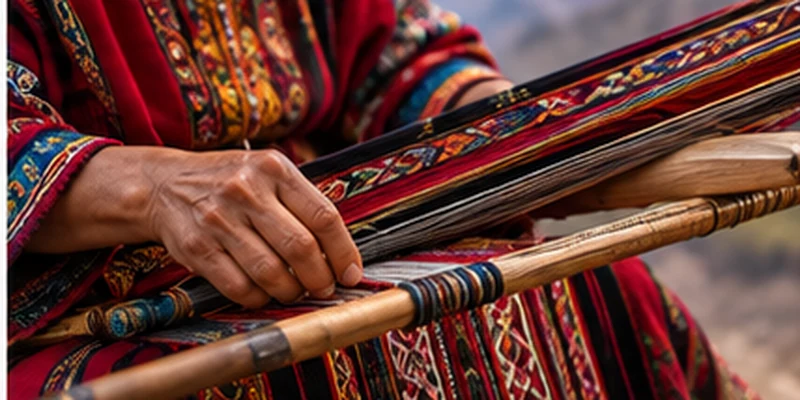
Chinchero Backstrap Loom Weaving

ArticlePeru

Chinchero Backstrap Loom Weaving

A backstrap loom has no fixed mechanism maintaining warp tension. The weaver’s own body becomes that mechanism: leaning forward releases tension, leaning back increases it, while both hands continue building the pattern.

The loom is incomplete without the body. The weaver herself is part of its tensioning system.

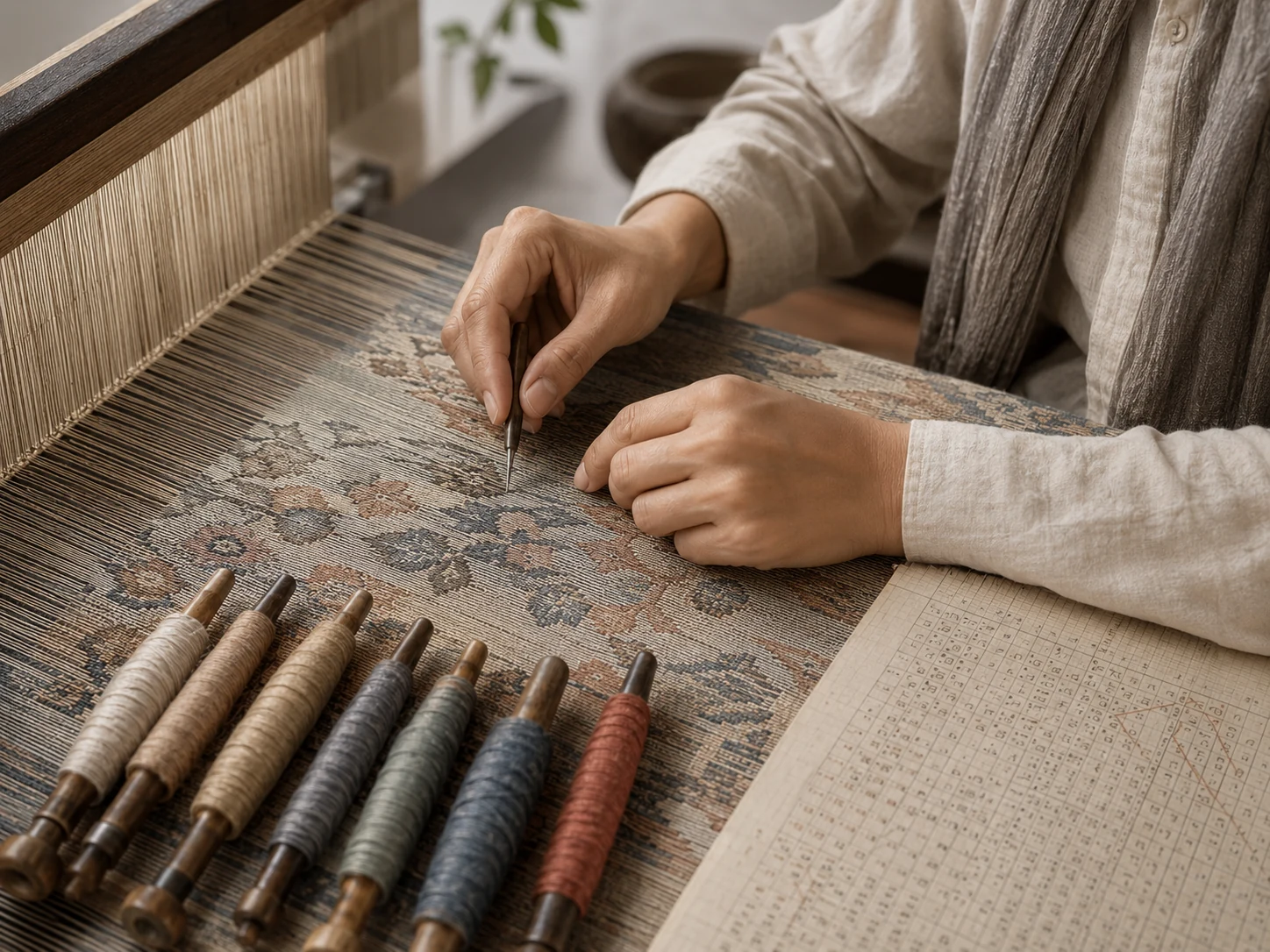
Kani Shawl Weaving

ArticleIndia

Kani Shawl Weaving

The most endangered element may not be the weaving — it is the talim, an oral notation system in which the pattern is encoded as a chanted sequence of numbers and color codes. If the talim disappears, the pattern knowledge disappears with it.

The most endangered part of the Kani shawl tradition is not the loom, not the pashmina, not the weaver. It is a chanted number sequence.

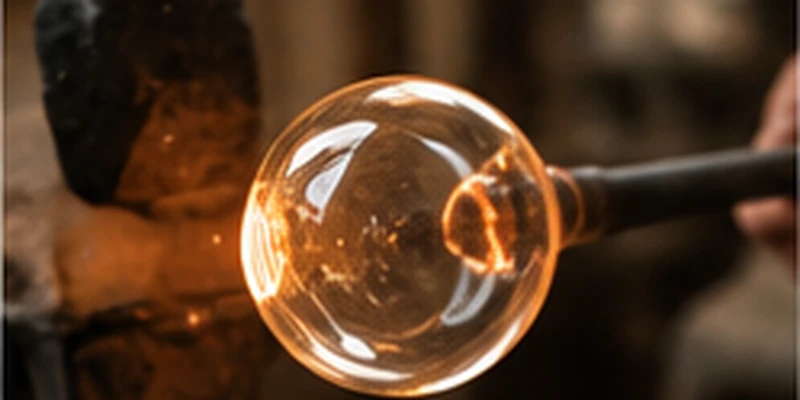
Hebron Natsheh Recycled Glass Blowing

ArticlePalestine

Hebron Natsheh Recycled Glass Blowing

Hebron glassblowing is often performed by two to four makers working around the same furnace, coordinating gathering, blowing and shaping in a shared rhythm.

Here, embodied knowledge is collective. Several glassblowers must read the same molten material and each other's timing closely enough to behave almost like one maker.

Greek Caique Boat Building

ArticleGreece

Greek Caique Boat Building

When a steamed hull plank leaves the steam box, the boatbuilder has only seconds to read three signals at once: the cloud of escaping steam, heat and moisture against the hand, and whether the first flex is silent. Then roughly a minute remains to bend it before it cools.

Steam, touch and sound give the answer. Then the builder has about sixty seconds to act.

Ari & Amhara Hand-Built Pottery

ArticleEthiopia

Ari & Amhara Hand-Built Pottery

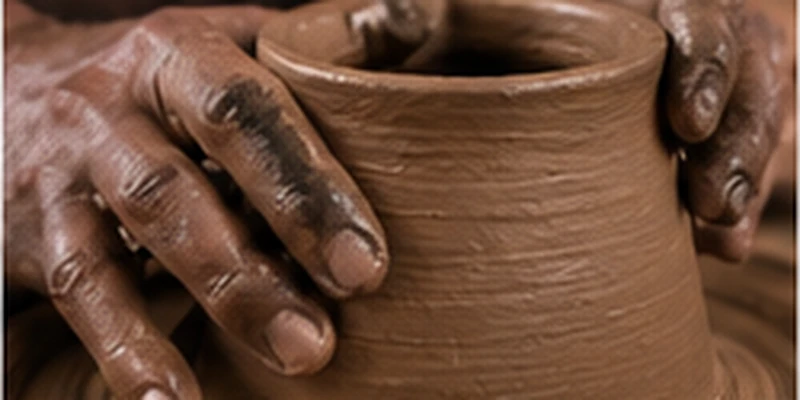
Among Ari potters, vessel forms are recognized as a hierarchy of difficulty: tila, disti, jebena and aksh. Learning is not simply linear; a potter may master the most difficult form yet remain less proficient at another.

Skill does not rise in a straight line. The hands remember different shapes as different kinds of intelligence.


More from the archive →

A Global Research Map of Craft Technique

The Depository organizes public research leads through a 59-field schema covering materials, tools, process, context, risk, and possible applications. A mapped record is a starting point for deeper documentation; it is not presented as practitioner-verified unless that work has taken place.

Browse The ArchiveFind a Technique →

ARCHIVE MATURITY

From Research Lead to Living Transmission

The public collection is currently a mapped evidence base. CRAFT uses the following stages to show the deeper work still required and to avoid treating desk research as community verification.

01

Mapped

Structured from public and research sources.

02

Reviewed

Cross-checked and editorially strengthened.

03

Verified

Confirmed with a practitioner or knowledge-holding community.

04

Captured

Documented through interviews, images, video, or fieldwork.

05

Transmissible

Prepared for responsible teaching or application.

Global Coverage

205 countries · 3013 techniques

Cambodia

Loading archive…

CONTRIBUTE TO THE DEPOSITORY

Help Strengthen the Depository

Craft knowledge is dispersed across communities, workshops, and personal memory. Suggest a missing technique, contribute knowledge to an existing record, or help us correct something.

Every contribution is researched and reviewed before the archive is changed. Submissions are never published automatically.