World Craft Depository

3,013 Mapped Technique Records
205 Countries Represented
59-Field Research Schema
From the Archive

Intelligence of the Hand

A rotating selection of extraordinary tacit knowledge from across CRAFT's growing global archive.

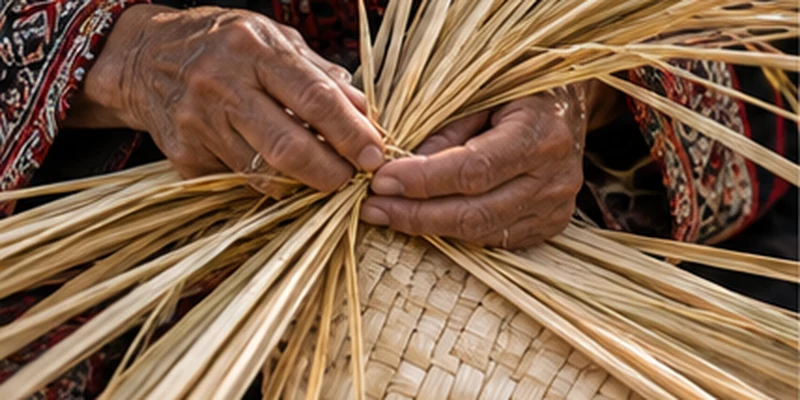
Palestinian Al-Khawwas Straw & Palm-Frond Weaving

ArticlePalestine

Palestinian Al-Khawwas Straw & Palm-Frond Weaving

One documented Palestinian basket maker works the weave entirely by feel, without watching the movement of her thumb and forefinger. Decades of repetition have transferred the sequence from visual attention into the hands themselves.

Her eyes do not need to follow the weave. Her fingers already know where the next strand belongs.

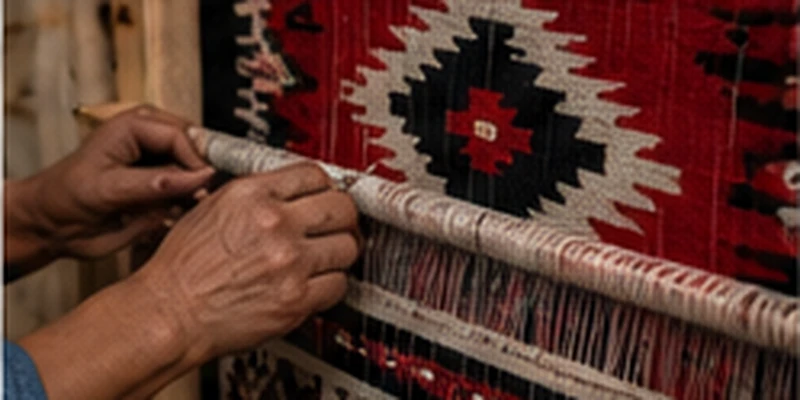
Diné (Navajo) Upright-Loom Rug Weaving

ArticleUnited States

Diné (Navajo) Upright-Loom Rug Weaving

The weaver reads fabric density through the resistance and sound of the comb strikes, adjusting force by feel while holding the geometric pattern in memory rather than following a written chart.

The loom speaks back through sound and resistance. A Diné weaver listens, feels and remembers at the same time to keep tension and pattern coherent.

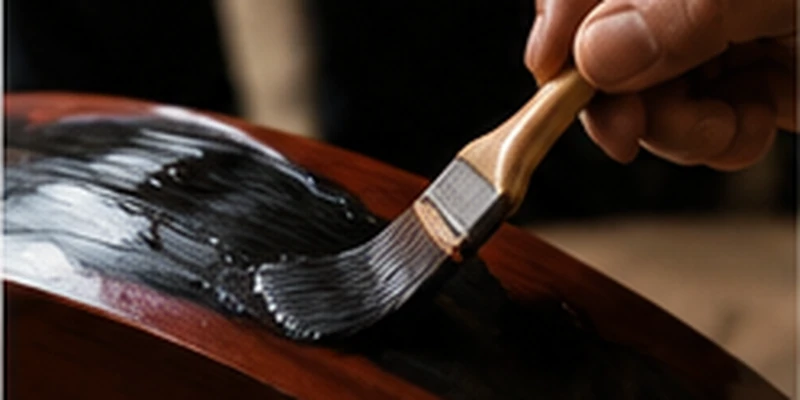
Ottchil Korean Natural Lacquer Application

ArticleSouth Korea

Ottchil Korean Natural Lacquer Application

Natural lacquer cures through humidity. Experienced ottchil makers judge the atmosphere not only with instruments but through the sensation of moisture on the skin — an environment described as feeling almost like breathing into a cloud.

Here the hand does not only read the object. It reads the air surrounding it.

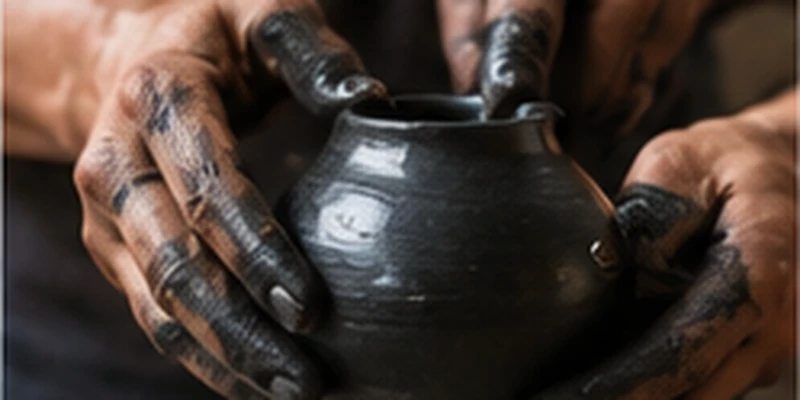
Oaxacan Black Pottery

ArticleMexico

Oaxacan Black Pottery

The famous sheen of barro negro is created by burnishing nearly dry clay before firing. The surface must be firm enough to withstand rubbing yet soft enough for the stone to compress it.

The black shine is not a glaze. It begins as pressure applied at exactly the right stage of dryness.

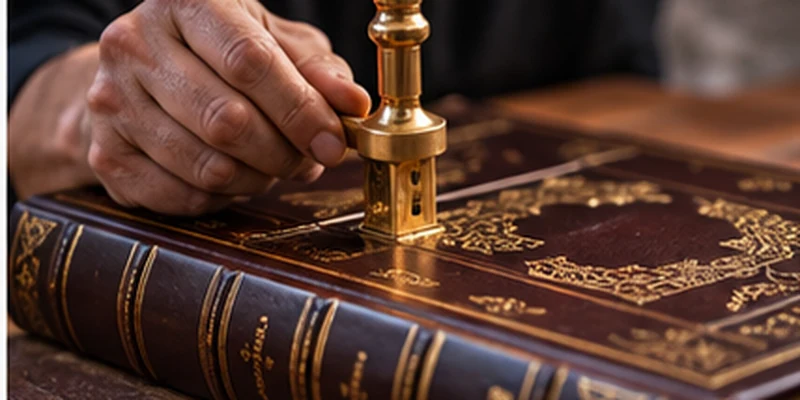
Milanese Bookbinding

ArticleItaly

Milanese Bookbinding

Before gold tooling, the binder breathes onto the prepared leather to create the fleeting surface condition that allows gold leaf to adhere. Heat, moisture and tool pressure then have to converge in a single irreversible impression.

A breath prepares the surface. One heated press decides whether the gold stays.

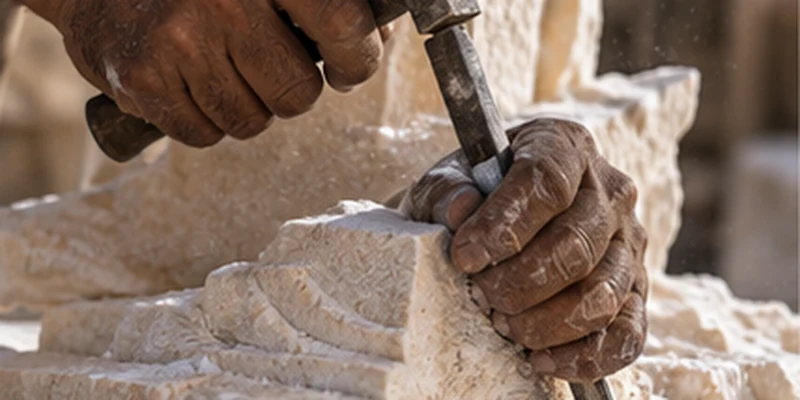
El Qurna Egyptian Alabaster Carving

ArticleEgypt

El Qurna Egyptian Alabaster Carving

Egyptian calcite can fracture under an overconfident blow. Carvers raised in El Qurna learn to judge hammer and chisel force through resistance transmitted back through the tool, progressively removing stone without opening an unseen crack.

Every strike removes stone. The real skill is knowing how much force the stone will forgive.


More from the archive →

A Global Research Map of Craft Technique

The Depository organizes public research leads through a 59-field schema covering materials, tools, process, context, risk, and possible applications. A mapped record is a starting point for deeper documentation; it is not presented as practitioner-verified unless that work has taken place.

Browse The ArchiveFind a Technique →

ARCHIVE MATURITY

From Research Lead to Living Transmission

The public collection is currently a mapped evidence base. CRAFT uses the following stages to show the deeper work still required and to avoid treating desk research as community verification.

01

Mapped

Structured from public and research sources.

02

Reviewed

Cross-checked and editorially strengthened.

03

Verified

Confirmed with a practitioner or knowledge-holding community.

04

Captured

Documented through interviews, images, video, or fieldwork.

05

Transmissible

Prepared for responsible teaching or application.

Global Coverage

205 countries · 3013 techniques

Antigua and Barbuda

Loading archive…

CONTRIBUTE TO THE DEPOSITORY

Help Strengthen the Depository

Craft knowledge is dispersed across communities, workshops, and personal memory. Suggest a missing technique, contribute knowledge to an existing record, or help us correct something.

Every contribution is researched and reviewed before the archive is changed. Submissions are never published automatically.