World Craft Depository

2,863 Mapped Technique Records
205 Countries Represented
59-Field Research Schema
From the Archive

Intelligence of the Hand

A rotating selection of extraordinary tacit knowledge from across CRAFT's growing global archive.

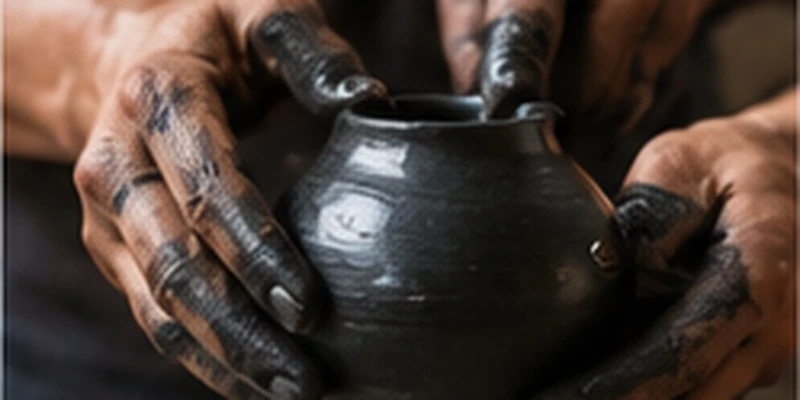
Oaxacan Black Pottery

ArticleMexico

Oaxacan Black Pottery

The famous sheen of barro negro is created by burnishing nearly dry clay before firing. The surface must be firm enough to withstand rubbing yet soft enough for the stone to compress it.

The black shine is not a glaze. It begins as pressure applied at exactly the right stage of dryness.

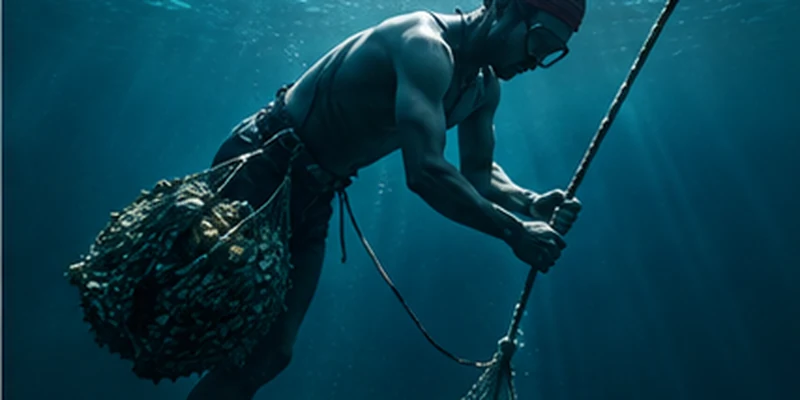
Emirati Ghaws Al-Kabir Pearl Diving

ArticleUnited Arab Emirates

Emirati Ghaws Al-Kabir Pearl Diving

The pearl diver works underwater for more than a minute without breathing apparatus, then signals the saib waiting above through tugs on a rope. Breath, exertion, oyster gathering and a tactile communication system must all fit inside the same shrinking window of time.

Underwater, a tug of rope becomes language — and timing determines whether the diver returns safely.

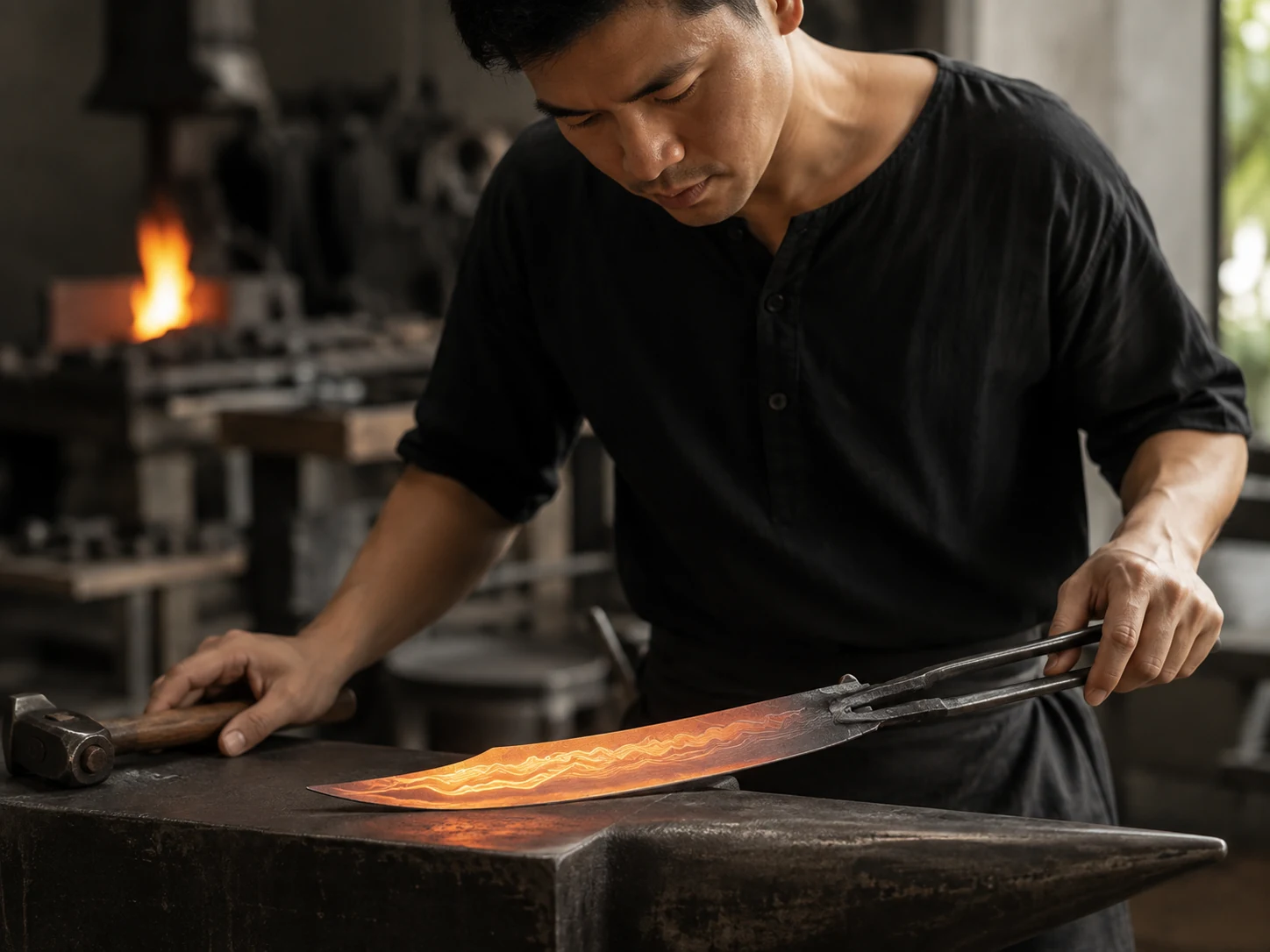
Thai-Malay Kris Blade Making

ArticleThailand

Thai-Malay Kris Blade Making

As the composite pamor billet is forged, the smith reads the emerging pattern in hot metal and guides the hammer to encourage the organic flow — not to impose it. The pamor pattern is never fully planned in advance.

The pattern of a Thai-Malay Kris blade is not designed. It is negotiated — between the smith's hammer and the hot metal.

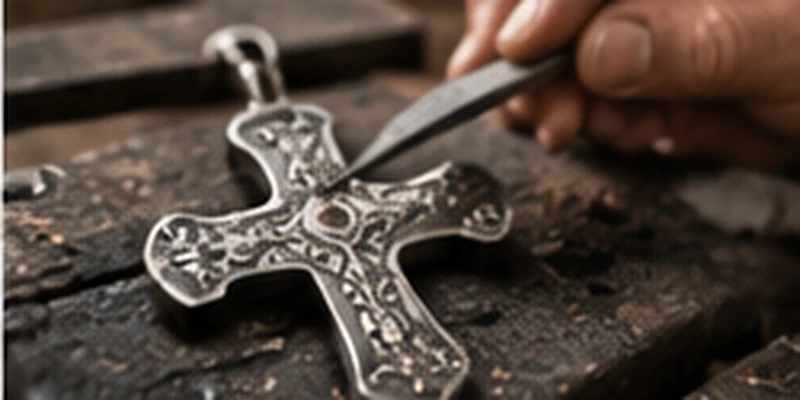
Agadez Cross Lost-Wax Silversmithing

ArticleNiger

Agadez Cross Lost-Wax Silversmithing

The cross is cast entirely by lost-wax rather than hammered into shape. Once cast, each piece receives etched geometric decoration unique to that object; the inherited form is repeated, but the surface is judged and cut by hand.

The form repeats; the surface never does. A centuries-old geometry still leaves room for the hand of each smith.

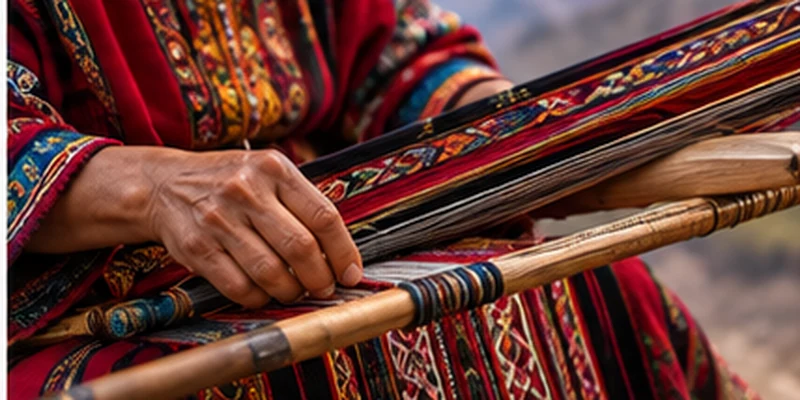
Chinchero Backstrap Loom Weaving

ArticlePeru

Chinchero Backstrap Loom Weaving

A backstrap loom has no fixed mechanism maintaining warp tension. The weaver’s own body becomes that mechanism: leaning forward releases tension, leaning back increases it, while both hands continue building the pattern.

The loom is incomplete without the body. The weaver herself is part of its tensioning system.

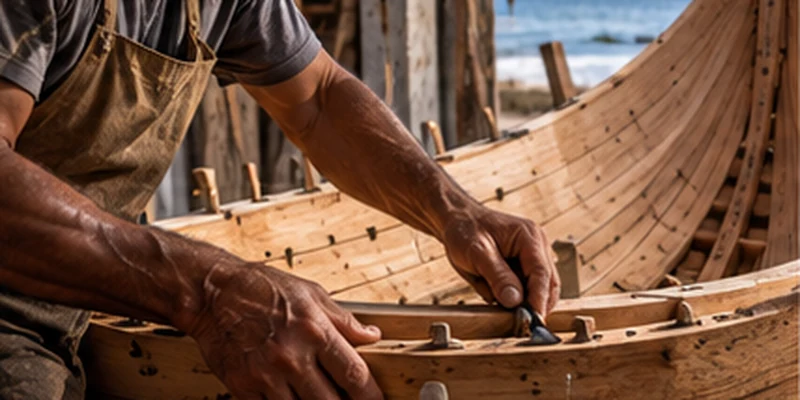
Greek Caique Boat Building

ArticleGreece

Greek Caique Boat Building

When a steamed hull plank leaves the steam box, the boatbuilder has only seconds to read three signals at once: the cloud of escaping steam, heat and moisture against the hand, and whether the first flex is silent. Then roughly a minute remains to bend it before it cools.

Steam, touch and sound give the answer. Then the builder has about sixty seconds to act.


More from the archive →

A Global Research Map of Craft Technique

The Depository organizes public research leads through a 59-field schema covering materials, tools, process, context, risk, and possible applications. A mapped record is a starting point for deeper documentation; it is not presented as practitioner-verified unless that work has taken place.

Browse The ArchiveFind a Technique →

ARCHIVE MATURITY

From Research Lead to Living Transmission

The public collection is currently a mapped evidence base. CRAFT uses the following stages to show the deeper work still required and to avoid treating desk research as community verification.

01

Mapped

Structured from public and research sources.

02

Reviewed

Cross-checked and editorially strengthened.

03

Verified

Confirmed with a practitioner or knowledge-holding community.

04

Captured

Documented through interviews, images, video, or fieldwork.

05

Transmissible

Prepared for responsible teaching or application.

Global Coverage

205 countries · 2863 techniques

Boatbuilding & Maritime

Loading archive…

CONTRIBUTE TO THE DEPOSITORY

Help Strengthen the Depository

Craft knowledge is dispersed across communities, workshops, and personal memory. Suggest a missing technique, contribute knowledge to an existing record, or help us correct something.

Every contribution is researched and reviewed before the archive is changed. Submissions are never published automatically.