
World Craft Depository

2,863 Mapped Technique Records
205 Countries Represented
59-Field Research Schema
From the Archive

Intelligence of the Hand

A rotating selection of extraordinary tacit knowledge from across CRAFT's growing global archive.

Sejnane Women's Hand-Built Pottery

ArticleTunisia

Sejnane Women's Hand-Built Pottery

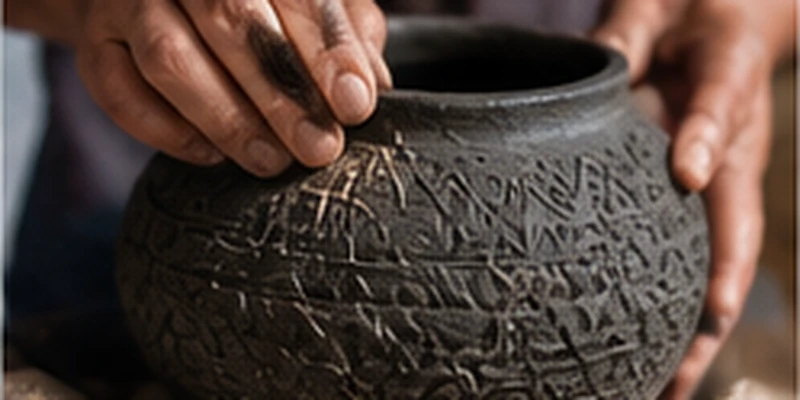
Sejnane pottery is built entirely without a wheel. The potter judges clay consistency by touch and creates balanced vessel forms by hand and eye alone.

In Sejnane, the hands perform the centering work normally delegated to a wheel — sensing when the clay is ready and when a form is balanced.

Emirati Ghaws Al-Kabir Pearl Diving

ArticleUnited Arab Emirates

Emirati Ghaws Al-Kabir Pearl Diving

The pearl diver works underwater for more than a minute without breathing apparatus, then signals the saib waiting above through tugs on a rope. Breath, exertion, oyster gathering and a tactile communication system must all fit inside the same shrinking window of time.

Underwater, a tug of rope becomes language — and timing determines whether the diver returns safely.

Oaxacan Black Pottery

ArticleMexico

Oaxacan Black Pottery

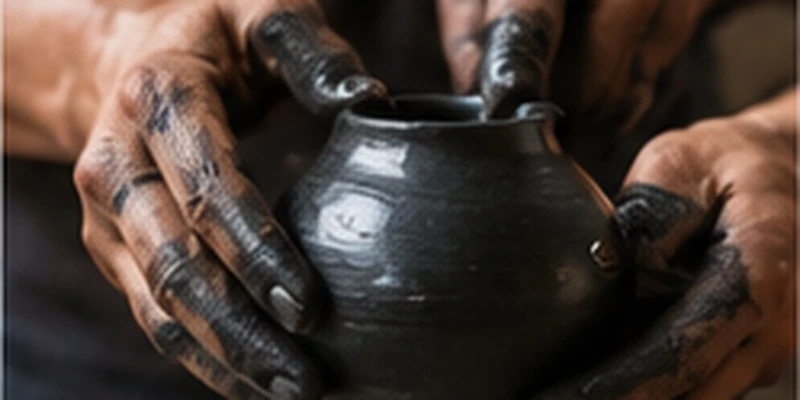
The famous sheen of barro negro is created by burnishing nearly dry clay before firing. The surface must be firm enough to withstand rubbing yet soft enough for the stone to compress it.

The black shine is not a glaze. It begins as pressure applied at exactly the right stage of dryness.

Lyon Organza Weaving

ArticleFrance

Lyon Organza Weaving

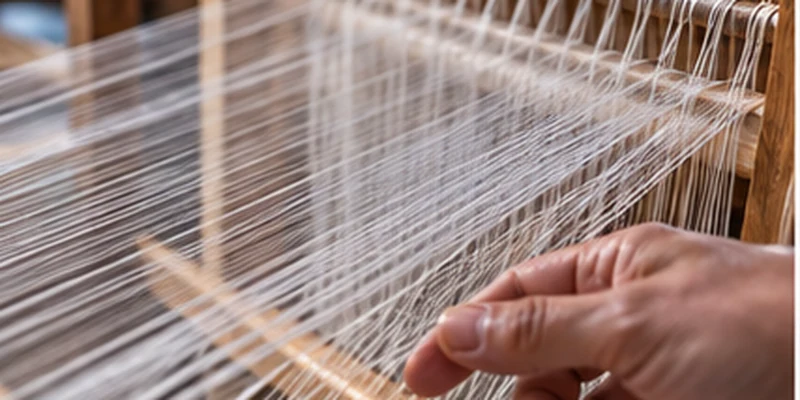
Highly twisted silk warp threads are held under such tension that the weaver can test them by plucking them like strings. A thread pitched too high risks snapping; one pitched too low may loosen the weave.

The loom has a note. The weaver learns to hear when a thread is out of tune.

Mudmee Ikat Silk Weaving

ArticleThailand

Mudmee Ikat Silk Weaving

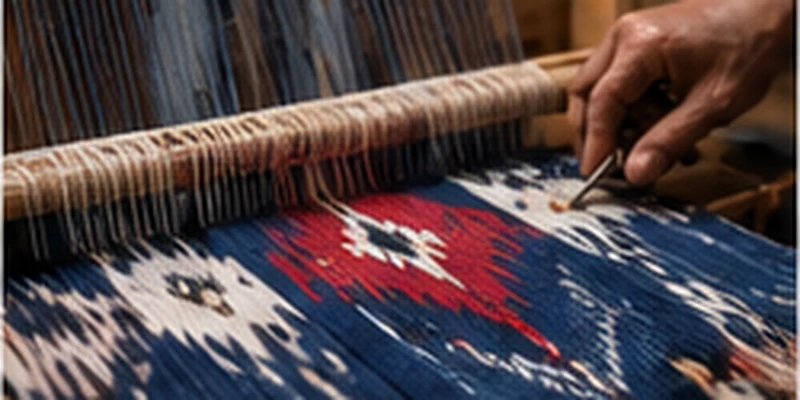
Before a single thread is woven, hundreds of silk threads are bound, dyed and then returned to their original sequence. After dyeing has changed their color, the weaver reconstructs that order largely from memory.

The pattern exists before the cloth does. The difficult part is remembering where every dyed thread belongs.

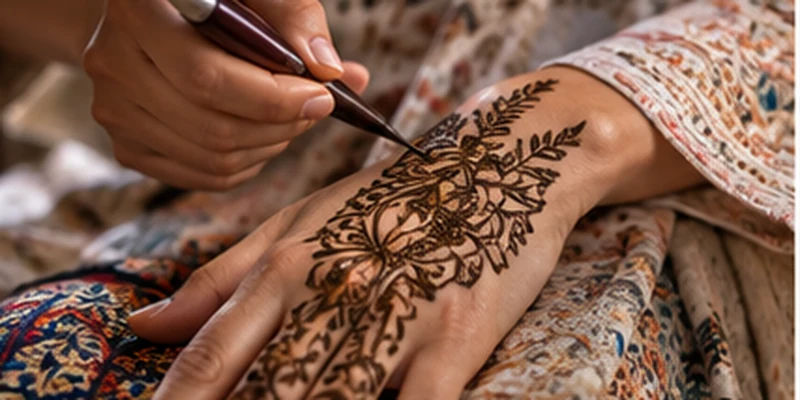
Moroccan Henna Paste Preparation & Ceremonial Application

ArticleMorocco

Moroccan Henna Paste Preparation & Ceremonial Application

The henna artist draws directly onto living skin without a stencil. Syringe or cone pressure has to remain consistent even as the surface beneath the hand moves, flexes and changes curvature.

The pattern is drawn on a surface that never stays completely still.


More from the archive →

A Global Research Map of Craft Technique

The Depository organizes public research leads through a 59-field schema covering materials, tools, process, context, risk, and possible applications. A mapped record is a starting point for deeper documentation; it is not presented as practitioner-verified unless that work has taken place.

Browse The ArchiveFind a Technique →

ARCHIVE MATURITY

From Research Lead to Living Transmission

The public collection is currently a mapped evidence base. CRAFT uses the following stages to show the deeper work still required and to avoid treating desk research as community verification.

01

Mapped

Structured from public and research sources.

02

Reviewed

Cross-checked and editorially strengthened.

03

Verified

Confirmed with a practitioner or knowledge-holding community.

04

Captured

Documented through interviews, images, video, or fieldwork.

05

Transmissible

Prepared for responsible teaching or application.

Global Coverage

205 countries · 2863 techniques

Sweden

Loading archive…

CONTRIBUTE TO THE DEPOSITORY

Help Strengthen the Depository

Craft knowledge is dispersed across communities, workshops, and personal memory. Suggest a missing technique, contribute knowledge to an existing record, or help us correct something.

Every contribution is researched and reviewed before the archive is changed. Submissions are never published automatically.