

World Craft Depository

2,863 Mapped Technique Records
205 Countries Represented
59-Field Research Schema
From the Archive

Intelligence of the Hand

A rotating selection of extraordinary tacit knowledge from across CRAFT's growing global archive.

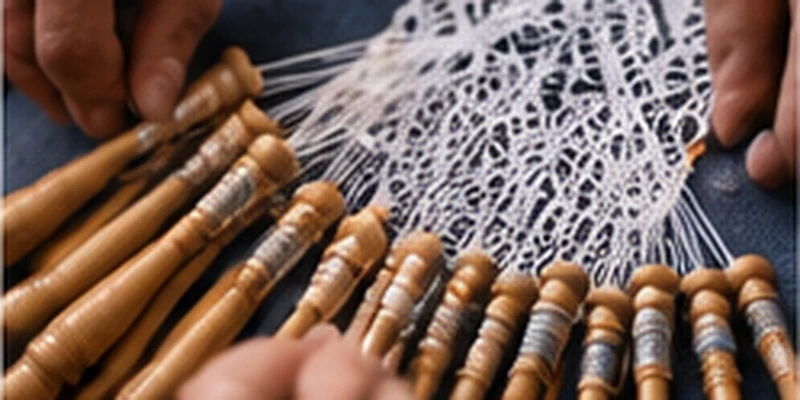
Le Puy-en-Velay Bobbin Lace

ArticleFrance

Le Puy-en-Velay Bobbin Lace

Dozens — sometimes hundreds — of bobbins remain active at once. The lacemaker no longer follows each thread independently; repeated crossings and twists are stored in the hands as rhythmic sequences.

What appears impossibly complex is handled as rhythm: cross, twist, pin, repeat.

Emirati Ghaws Al-Kabir Pearl Diving

ArticleUnited Arab Emirates

Emirati Ghaws Al-Kabir Pearl Diving

The pearl diver works underwater for more than a minute without breathing apparatus, then signals the saib waiting above through tugs on a rope. Breath, exertion, oyster gathering and a tactile communication system must all fit inside the same shrinking window of time.

Underwater, a tug of rope becomes language — and timing determines whether the diver returns safely.

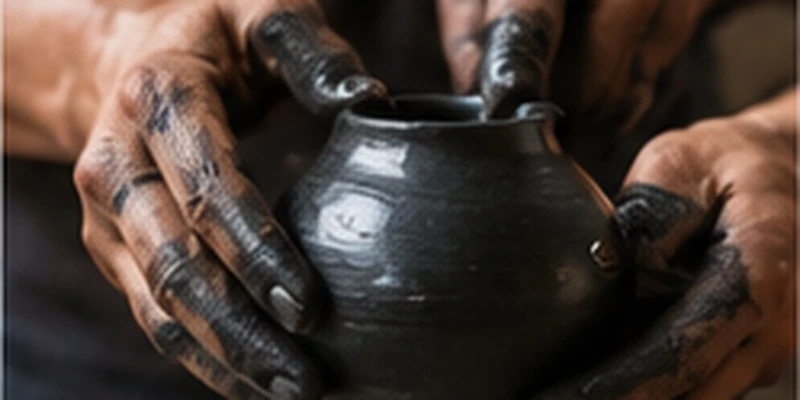
Oaxacan Black Pottery

ArticleMexico

Oaxacan Black Pottery

The famous sheen of barro negro is created by burnishing nearly dry clay before firing. The surface must be firm enough to withstand rubbing yet soft enough for the stone to compress it.

The black shine is not a glaze. It begins as pressure applied at exactly the right stage of dryness.

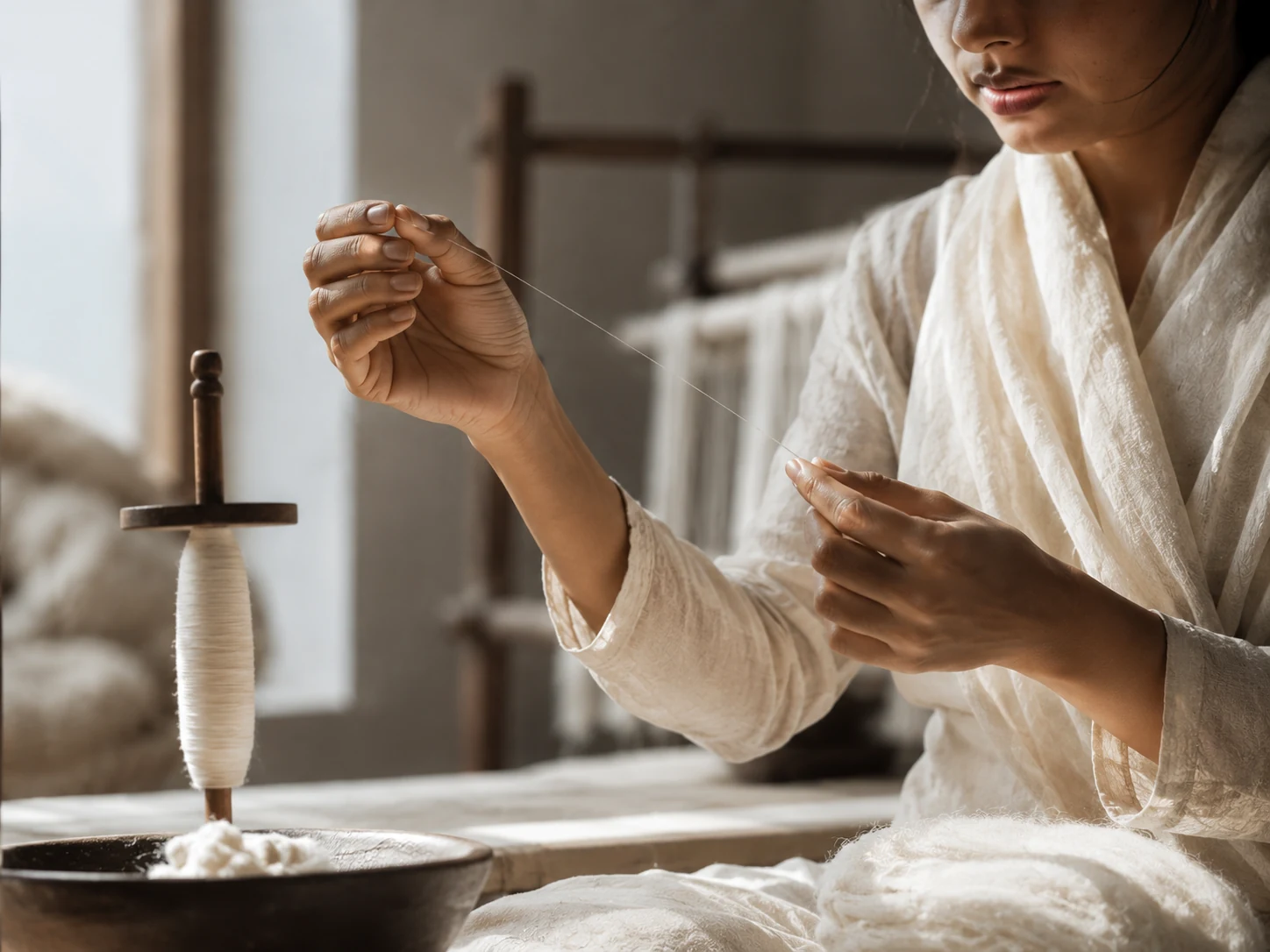
Dhaka Muslin Spinning

CuriosityBangladesh

Dhaka Muslin Spinning

The finest Dhaka muslin thread is so fine that it breaks from a gentle human breath directed at it. The quality test: exhale softly at the fiber. If it breaks, the thread is correct.

The finest thread in the archive breaks from a breath. Dhaka muslin is tested by exhaling gently at the fiber. If it breaks, it is correct.

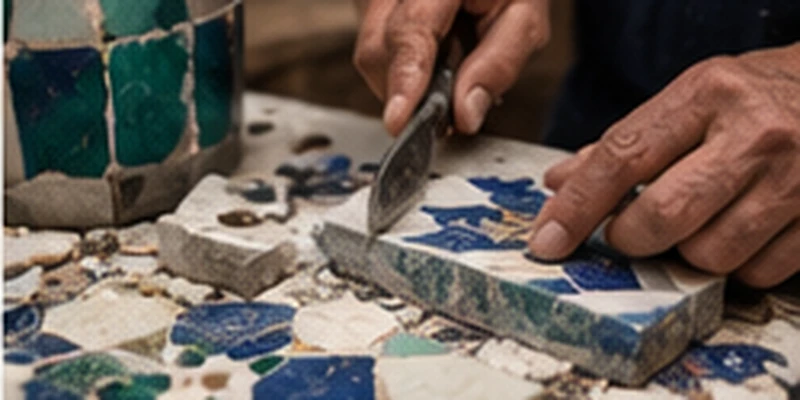
Fez Zellige Hand-Cut Mosaic Tilework

ArticleMorocco

Fez Zellige Hand-Cut Mosaic Tilework

A seasoned maalem (master craftsman) can judge the correct cutting angle for a tile purely from the sound and feel of the hammer striking terracotta. The pieces are then assembled face-down, so the complete pattern cannot be seen while it is being built.

The zellige maker cuts geometry by ear as much as by eye — then assembles hundreds of fragments into a composition he cannot fully see until it is complete.

Hebron Natsheh Recycled Glass Blowing

ArticlePalestine

Hebron Natsheh Recycled Glass Blowing

Hebron glassblowing is often performed by two to four makers working around the same furnace, coordinating gathering, blowing and shaping in a shared rhythm.

Here, embodied knowledge is collective. Several glassblowers must read the same molten material and each other's timing closely enough to behave almost like one maker.


More from the archive →

A Global Research Map of Craft Technique

The Depository organizes public research leads through a 59-field schema covering materials, tools, process, context, risk, and possible applications. A mapped record is a starting point for deeper documentation; it is not presented as practitioner-verified unless that work has taken place.

Browse The ArchiveFind a Technique →

ARCHIVE MATURITY

From Research Lead to Living Transmission

The public collection is currently a mapped evidence base. CRAFT uses the following stages to show the deeper work still required and to avoid treating desk research as community verification.

01

Mapped

Structured from public and research sources.

02

Reviewed

Cross-checked and editorially strengthened.

03

Verified

Confirmed with a practitioner or knowledge-holding community.

04

Captured

Documented through interviews, images, video, or fieldwork.

05

Transmissible

Prepared for responsible teaching or application.

Global Coverage

205 countries · 2863 techniques

Rwanda

Loading archive…

CONTRIBUTE TO THE DEPOSITORY

Help Strengthen the Depository

Craft knowledge is dispersed across communities, workshops, and personal memory. Suggest a missing technique, contribute knowledge to an existing record, or help us correct something.

Every contribution is researched and reviewed before the archive is changed. Submissions are never published automatically.