World Craft Depository

2,863 Mapped Technique Records
205 Countries Represented
59-Field Research Schema
From the Archive

Intelligence of the Hand

A rotating selection of extraordinary tacit knowledge from across CRAFT's growing global archive.

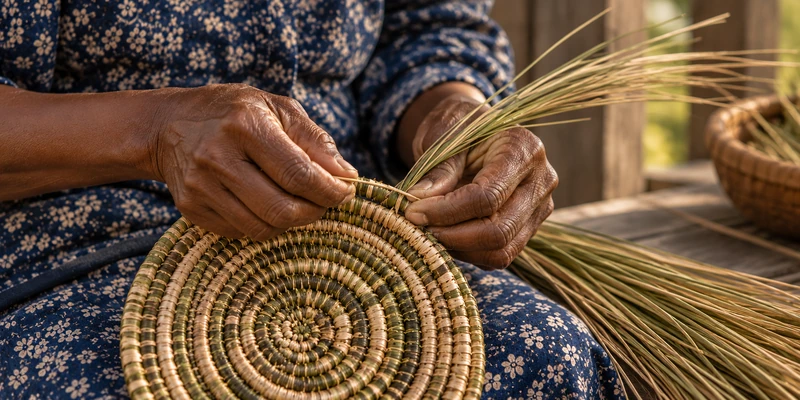
Gullah Geechee Coiled Basketry

ArticleUnited States

Gullah Geechee Coiled Basketry

Sweetgrass and pine needle must remain pliable enough to accept extremely tight coiling without cracking. Experienced basket makers judge both the material and the tension overwhelmingly through touch — and describe learning when a coil is tight enough as something that cannot simply be measured.

The spiral stays even because the fingers remember a tension no ruler can specify.

Argan Oil Traditional Hand-Extraction

ArticleMorocco

Argan Oil Traditional Hand-Extraction

The argan nut is cracked between two stones with enough force to open one of the hardest fruit shells in the world — but not enough to crush the kernel inside. The correct angle and impact are learned by hand.

The first test in traditional argan oil making is a controlled fracture: break the shell, preserve the kernel. Later, the hands judge when kneaded paste is ready to release its oil.

Dhaka Muslin Spinning

CuriosityBangladesh

Dhaka Muslin Spinning

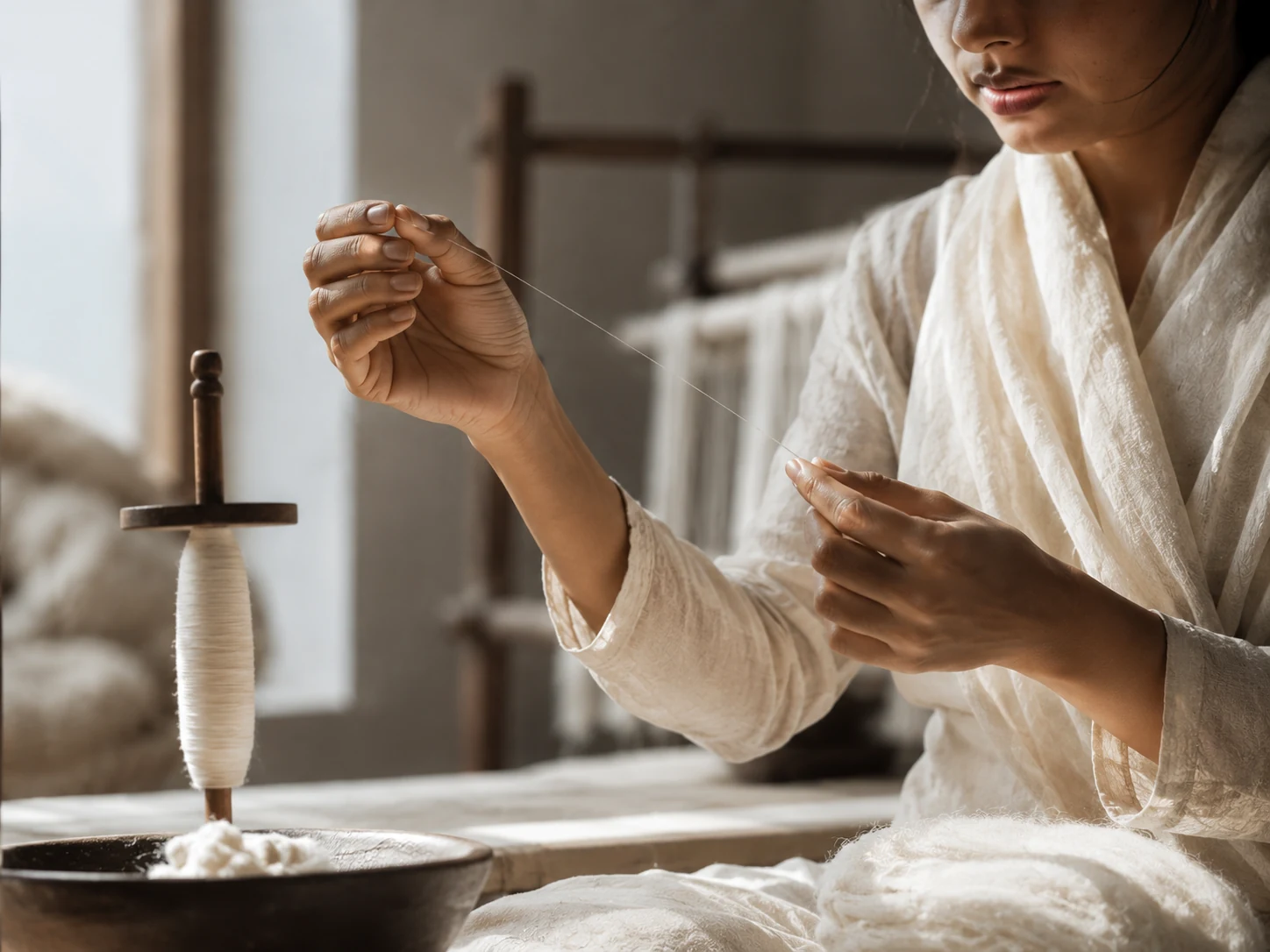
The finest Dhaka muslin thread is so fine that it breaks from a gentle human breath directed at it. The quality test: exhale softly at the fiber. If it breaks, the thread is correct.

The finest thread in the archive breaks from a breath. Dhaka muslin is tested by exhaling gently at the fiber. If it breaks, it is correct.

Emirati Dhow Carvel-Construction Boatbuilding

ArticleUnited Arab Emirates

Emirati Dhow Carvel-Construction Boatbuilding

Traditional dhow shipwrights can build a hull without formal blueprints, judging curvature, proportion and the edge-to-edge fit of bent planks through internalized spatial knowledge.

A seaworthy vessel can begin as a shape held in the builder's mind. Hull geometry is transferred into timber through sight, touch and accumulated bodily memory.

Murano Glassblowing

ArticleItaly

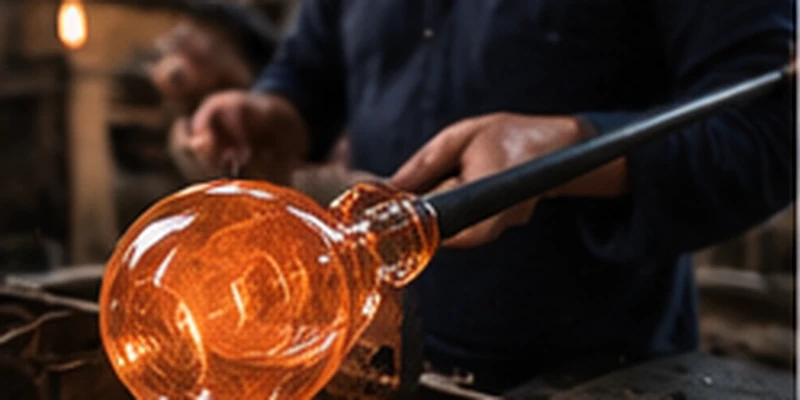
Murano Glassblowing

A Murano glassblower reads molten glass by color, weight, resistance and surface sheen. The useful working window between too hot and too cold can last only 20–40 seconds.

For the Murano glassblower, color is a thermometer and the blowpipe is a sensor. The hand must decide within seconds whether the glass will move, hold or fail.

Haida Cedar Dugout Canoe Building

ArticleCanada

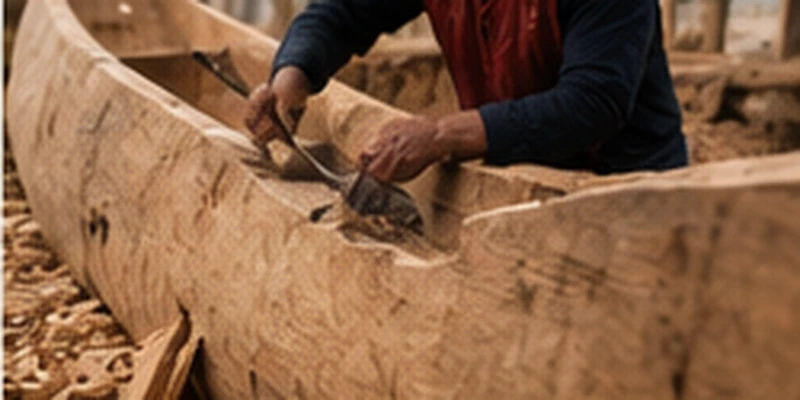
Haida Cedar Dugout Canoe Building

As a cedar hull is hollowed, the builder judges consistent wall thickness by tapping and listening before the canoe is steamed and spread. A variation that is difficult to see can be heard through the timber.

Before the canoe is widened by steam, its thickness is judged by sound. The tree becomes a hull partly through listening.


More from the archive →

A Global Research Map of Craft Technique

The Depository organizes public research leads through a 59-field schema covering materials, tools, process, context, risk, and possible applications. A mapped record is a starting point for deeper documentation; it is not presented as practitioner-verified unless that work has taken place.

Browse The ArchiveFind a Technique →

ARCHIVE MATURITY

From Research Lead to Living Transmission

The public collection is currently a mapped evidence base. CRAFT uses the following stages to show the deeper work still required and to avoid treating desk research as community verification.

01

Mapped

Structured from public and research sources.

02

Reviewed

Cross-checked and editorially strengthened.

03

Verified

Confirmed with a practitioner or knowledge-holding community.

04

Captured

Documented through interviews, images, video, or fieldwork.

05

Transmissible

Prepared for responsible teaching or application.

Global Coverage

205 countries · 2863 techniques

Poland

Loading archive…

CONTRIBUTE TO THE DEPOSITORY

Help Strengthen the Depository

Craft knowledge is dispersed across communities, workshops, and personal memory. Suggest a missing technique, contribute knowledge to an existing record, or help us correct something.

Every contribution is researched and reviewed before the archive is changed. Submissions are never published automatically.