
World Craft Depository

2,863 Mapped Technique Records
205 Countries Represented
59-Field Research Schema
From the Archive

Intelligence of the Hand

A rotating selection of extraordinary tacit knowledge from across CRAFT's growing global archive.

Murano Glassblowing

ArticleItaly

Murano Glassblowing

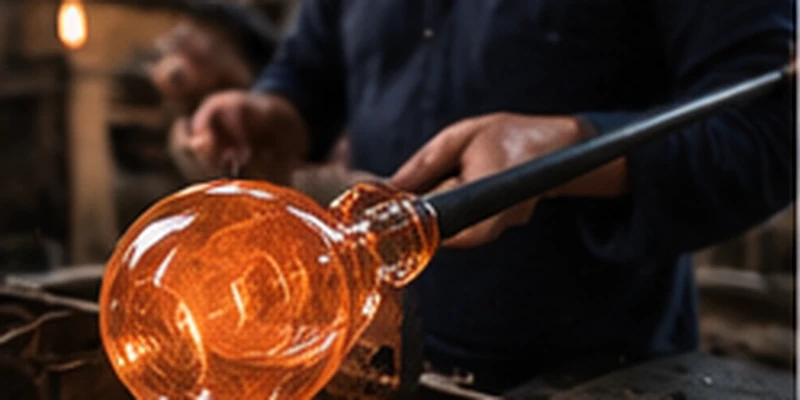
A Murano glassblower reads molten glass by color, weight, resistance and surface sheen. The useful working window between too hot and too cold can last only 20–40 seconds.

For the Murano glassblower, color is a thermometer and the blowpipe is a sensor. The hand must decide within seconds whether the glass will move, hold or fail.

Argan Oil Traditional Hand-Extraction

ArticleMorocco

Argan Oil Traditional Hand-Extraction

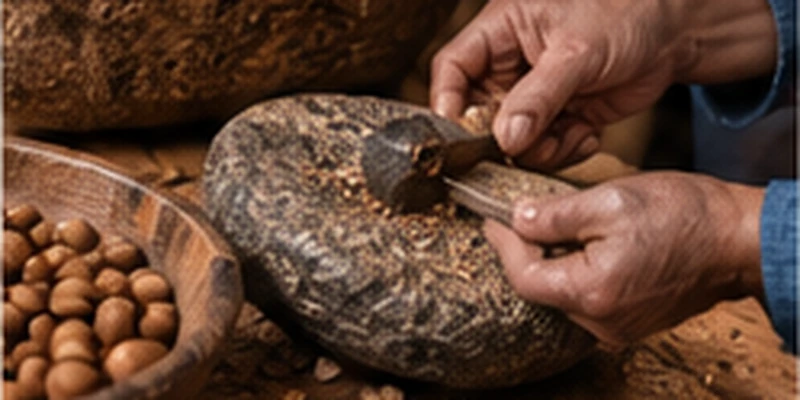
The argan nut is cracked between two stones with enough force to open one of the hardest fruit shells in the world — but not enough to crush the kernel inside. The correct angle and impact are learned by hand.

The first test in traditional argan oil making is a controlled fracture: break the shell, preserve the kernel. Later, the hands judge when kneaded paste is ready to release its oil.

Rogan Painting

ArticleIndia

Rogan Painting

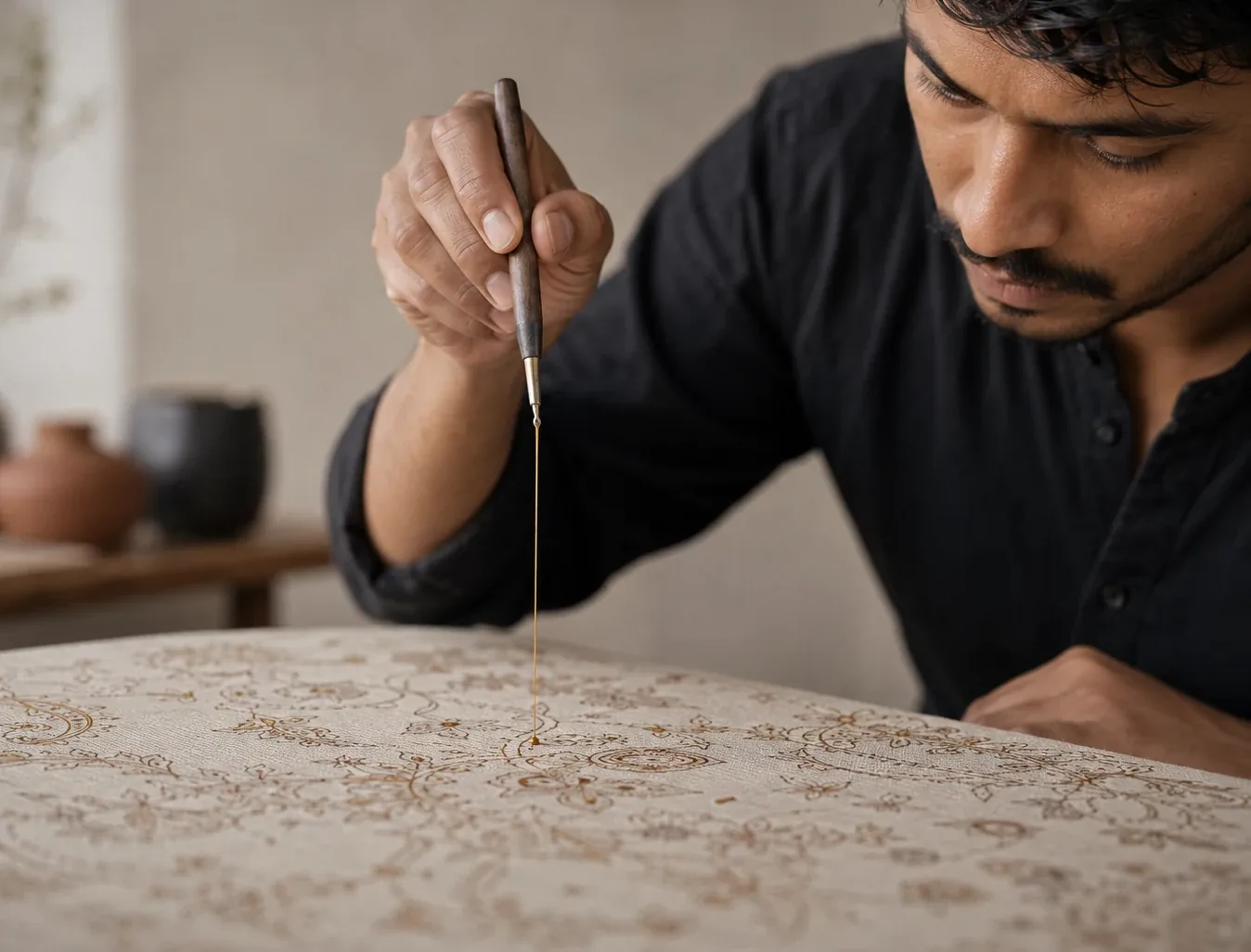
Rogan thread is drawn from a stylus held above the cloth without ever touching it — a contactless painting technique unique in the database. The thread falls onto the surface under gravity and the painter's hand movement alone.

Rogan painting is the only craft in the database where the tool never touches the surface. The thread falls from above, guided only by the painter's moving hand.

Acoma Pueblo Thin-Wall Coil Pottery

ArticleUnited States

Acoma Pueblo Thin-Wall Coil Pottery

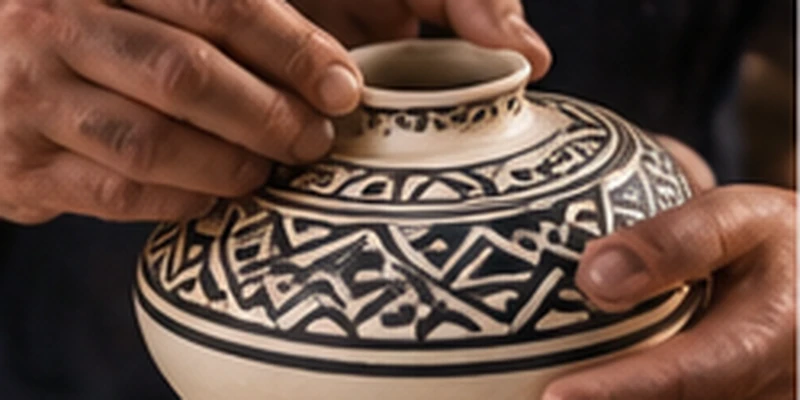
Acoma pottery walls are progressively scraped thinner while the vessel is rotated in the hand. The potter feels through the clay to decide how thin the wall can become without breaking through.

The decisive measurement is made through the fingertips. The hand stops thinning the wall at the point where translucency is close — and collapse is one scrape away.

Emirati Ghaws Al-Kabir Pearl Diving

ArticleUnited Arab Emirates

Emirati Ghaws Al-Kabir Pearl Diving

The pearl diver works underwater for more than a minute without breathing apparatus, then signals the saib waiting above through tugs on a rope. Breath, exertion, oyster gathering and a tactile communication system must all fit inside the same shrinking window of time.

Underwater, a tug of rope becomes language — and timing determines whether the diver returns safely.

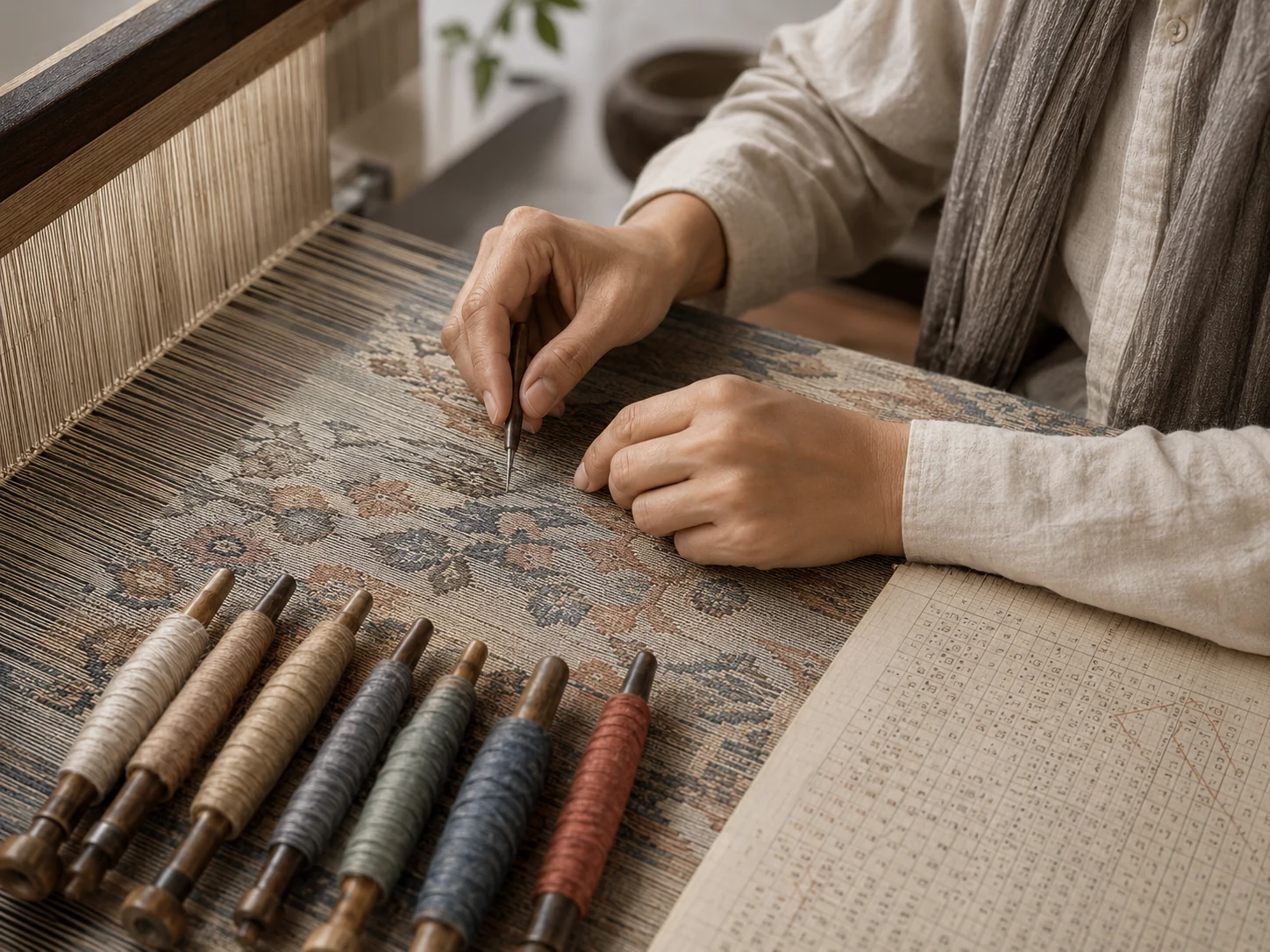
Kani Shawl Weaving

ArticleIndia

Kani Shawl Weaving

The most endangered element may not be the weaving — it is the talim, an oral notation system in which the pattern is encoded as a chanted sequence of numbers and color codes. If the talim disappears, the pattern knowledge disappears with it.

The most endangered part of the Kani shawl tradition is not the loom, not the pashmina, not the weaver. It is a chanted number sequence.


More from the archive →

A Global Research Map of Craft Technique

The Depository organizes public research leads through a 59-field schema covering materials, tools, process, context, risk, and possible applications. A mapped record is a starting point for deeper documentation; it is not presented as practitioner-verified unless that work has taken place.

Browse The ArchiveFind a Technique →

ARCHIVE MATURITY

From Research Lead to Living Transmission

The public collection is currently a mapped evidence base. CRAFT uses the following stages to show the deeper work still required and to avoid treating desk research as community verification.

01

Mapped

Structured from public and research sources.

02

Reviewed

Cross-checked and editorially strengthened.

03

Verified

Confirmed with a practitioner or knowledge-holding community.

04

Captured

Documented through interviews, images, video, or fieldwork.

05

Transmissible

Prepared for responsible teaching or application.

Global Coverage

205 countries · 2863 techniques

Moldova

Loading archive…

CONTRIBUTE TO THE DEPOSITORY

Help Strengthen the Depository

Craft knowledge is dispersed across communities, workshops, and personal memory. Suggest a missing technique, contribute knowledge to an existing record, or help us correct something.

Every contribution is researched and reviewed before the archive is changed. Submissions are never published automatically.