World Craft Depository

2,863 Mapped Technique Records
205 Countries Represented
59-Field Research Schema
From the Archive

Intelligence of the Hand

A rotating selection of extraordinary tacit knowledge from across CRAFT's growing global archive.

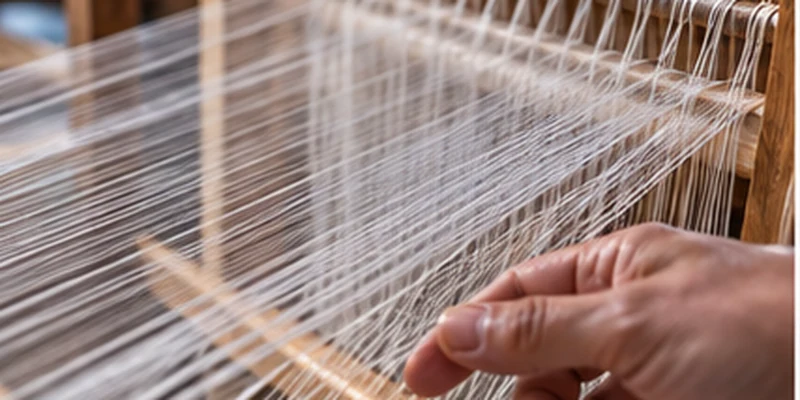
Lyon Organza Weaving

ArticleFrance

Lyon Organza Weaving

Highly twisted silk warp threads are held under such tension that the weaver can test them by plucking them like strings. A thread pitched too high risks snapping; one pitched too low may loosen the weave.

The loom has a note. The weaver learns to hear when a thread is out of tune.

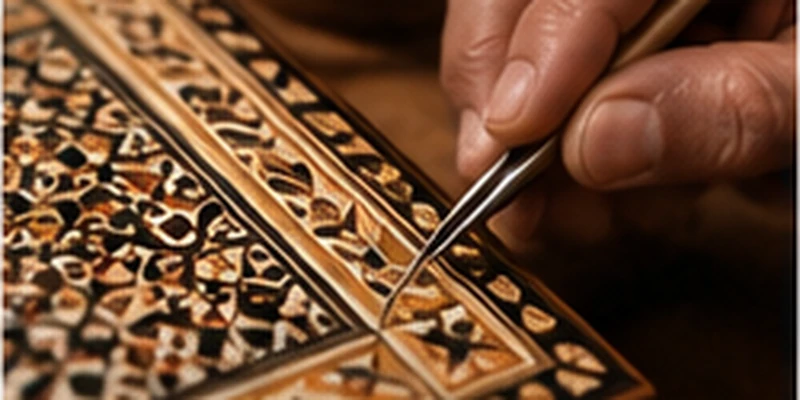
Khatam-kari Micro-Mosaic Marquetry

ArticleIran

Khatam-kari Micro-Mosaic Marquetry

Tiny rods of wood, bone and metal are assembled into larger geometric bundles and sliced across their length. The pattern therefore has to be built in three dimensions before it appears as a flat surface.

The maker does not decorate the surface one fragment at a time. The pattern is engineered inside a bundle, then revealed by cutting it open.

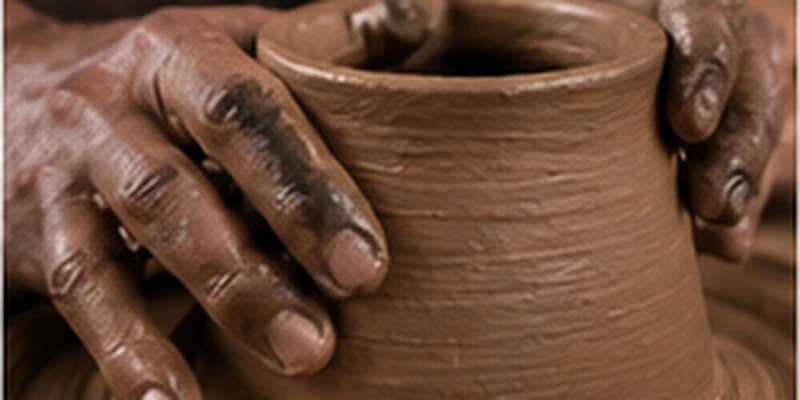
Ari & Amhara Hand-Built Pottery

ArticleEthiopia

Ari & Amhara Hand-Built Pottery

Among Ari potters, vessel forms are recognized as a hierarchy of difficulty: tila, disti, jebena and aksh. Learning is not simply linear; a potter may master the most difficult form yet remain less proficient at another.

Skill does not rise in a straight line. The hands remember different shapes as different kinds of intelligence.

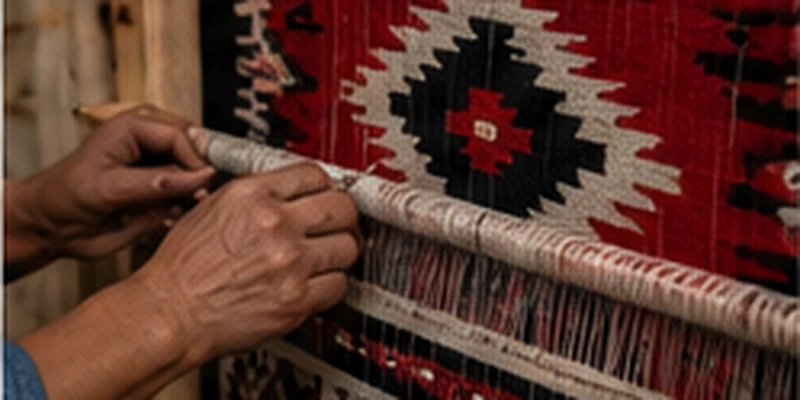
Diné (Navajo) Upright-Loom Rug Weaving

ArticleUnited States

Diné (Navajo) Upright-Loom Rug Weaving

The weaver reads fabric density through the resistance and sound of the comb strikes, adjusting force by feel while holding the geometric pattern in memory rather than following a written chart.

The loom speaks back through sound and resistance. A Diné weaver listens, feels and remembers at the same time to keep tension and pattern coherent.

Palestinian Al-Khawwas Straw & Palm-Frond Weaving

ArticlePalestine

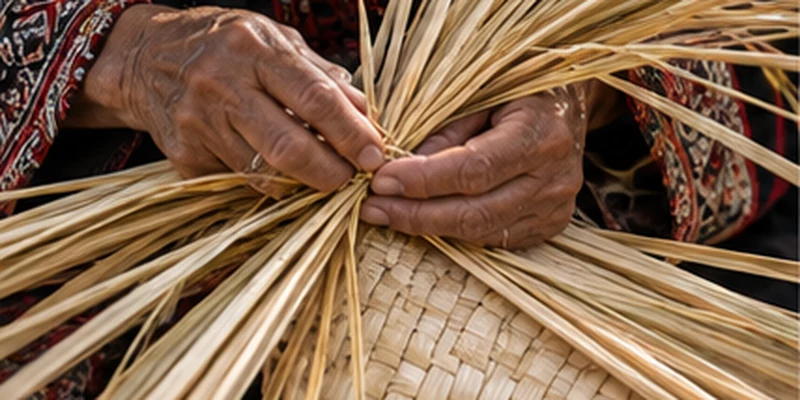
Palestinian Al-Khawwas Straw & Palm-Frond Weaving

One documented Palestinian basket maker works the weave entirely by feel, without watching the movement of her thumb and forefinger. Decades of repetition have transferred the sequence from visual attention into the hands themselves.

Her eyes do not need to follow the weave. Her fingers already know where the next strand belongs.

Dhaka Muslin Spinning

CuriosityBangladesh

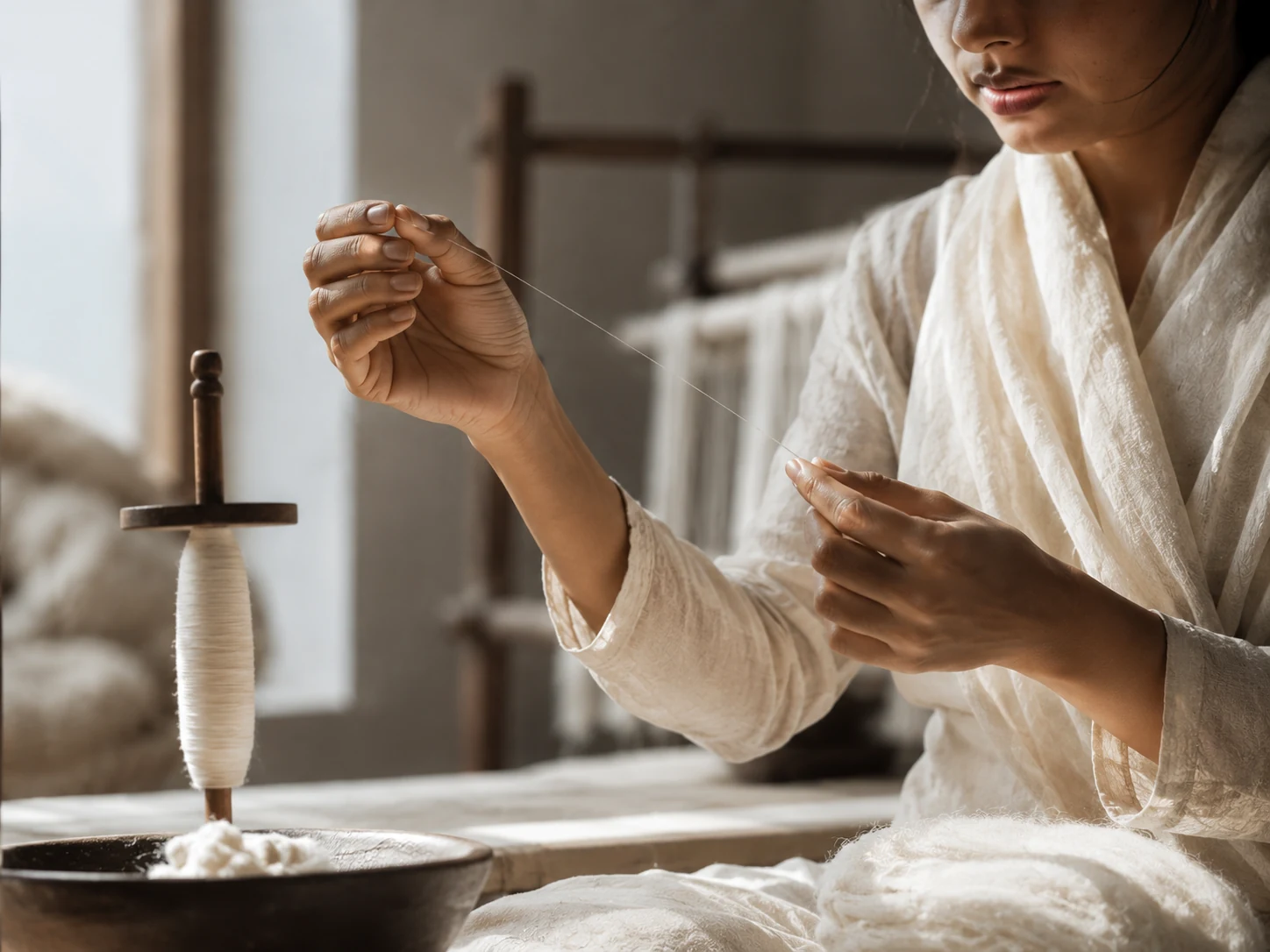
Dhaka Muslin Spinning

The finest Dhaka muslin thread is so fine that it breaks from a gentle human breath directed at it. The quality test: exhale softly at the fiber. If it breaks, the thread is correct.

The finest thread in the archive breaks from a breath. Dhaka muslin is tested by exhaling gently at the fiber. If it breaks, it is correct.


More from the archive →

A Global Research Map of Craft Technique

The Depository organizes public research leads through a 59-field schema covering materials, tools, process, context, risk, and possible applications. A mapped record is a starting point for deeper documentation; it is not presented as practitioner-verified unless that work has taken place.

Browse The ArchiveFind a Technique →

ARCHIVE MATURITY

From Research Lead to Living Transmission

The public collection is currently a mapped evidence base. CRAFT uses the following stages to show the deeper work still required and to avoid treating desk research as community verification.

01

Mapped

Structured from public and research sources.

02

Reviewed

Cross-checked and editorially strengthened.

03

Verified

Confirmed with a practitioner or knowledge-holding community.

04

Captured

Documented through interviews, images, video, or fieldwork.

05

Transmissible

Prepared for responsible teaching or application.

Global Coverage

205 countries · 2863 techniques

Mauritius

Loading archive…

CONTRIBUTE TO THE DEPOSITORY

Help Strengthen the Depository

Craft knowledge is dispersed across communities, workshops, and personal memory. Suggest a missing technique, contribute knowledge to an existing record, or help us correct something.

Every contribution is researched and reviewed before the archive is changed. Submissions are never published automatically.