World Craft Depository

2,863 Mapped Technique Records
205 Countries Represented
59-Field Research Schema
From the Archive

Intelligence of the Hand

A rotating selection of extraordinary tacit knowledge from across CRAFT's growing global archive.

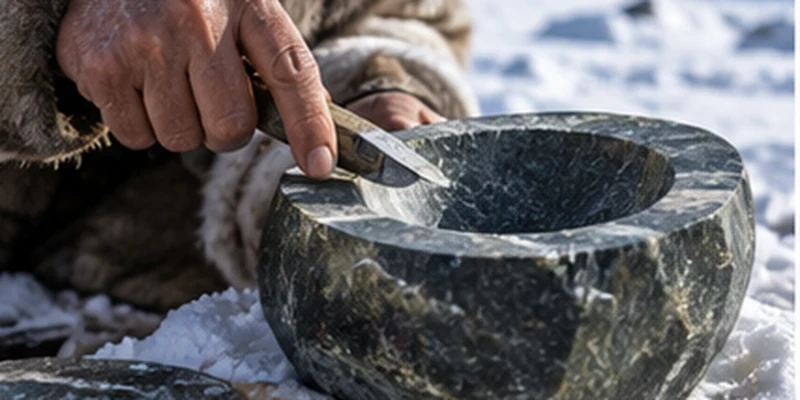
Inuit Qulliq Soapstone Lamp Carving

ArticleCanada

Inuit Qulliq Soapstone Lamp Carving

A qulliq must hold burning animal fat for long periods without cracking. As the soapstone reservoir is hollowed, the carver continuously judges wall thickness and depth by resistance under the tool, balancing fuel capacity against the stone left for strength.

Too much stone and the lamp holds less fuel. Too little and centuries of heat knowledge end in a crack.

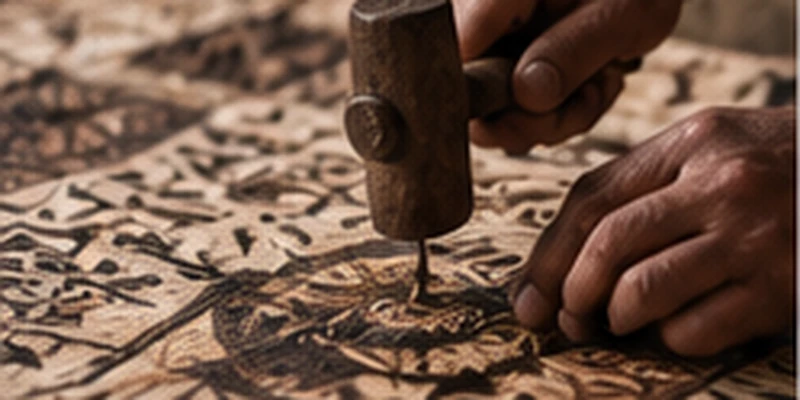
Fijian Masi Barkcloth Making

ArticleFiji

Fijian Masi Barkcloth Making

When two barkcloth sheets are joined, the cassava-starch paste must reach a fleeting state between wet and dry: tacky enough to bond, but no longer fluid enough to spread through the fibers.

The sheets are joined at a moment the maker feels rather than measures — before the paste has a name for what it has become.

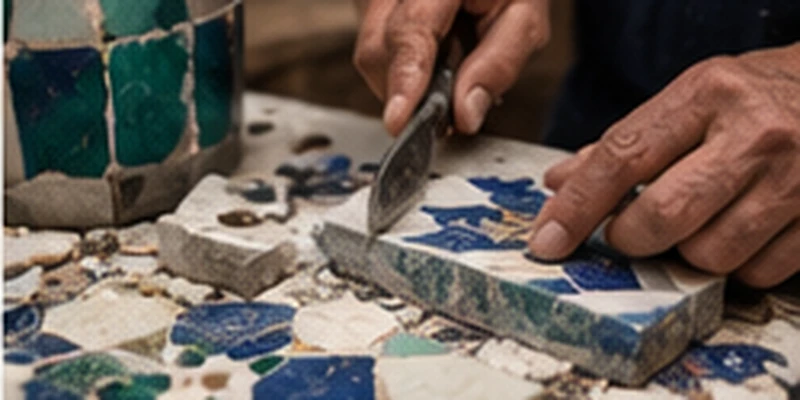
Fez Zellige Hand-Cut Mosaic Tilework

ArticleMorocco

Fez Zellige Hand-Cut Mosaic Tilework

A seasoned maalem (master craftsman) can judge the correct cutting angle for a tile purely from the sound and feel of the hammer striking terracotta. The pieces are then assembled face-down, so the complete pattern cannot be seen while it is being built.

The zellige maker cuts geometry by ear as much as by eye — then assembles hundreds of fragments into a composition he cannot fully see until it is complete.

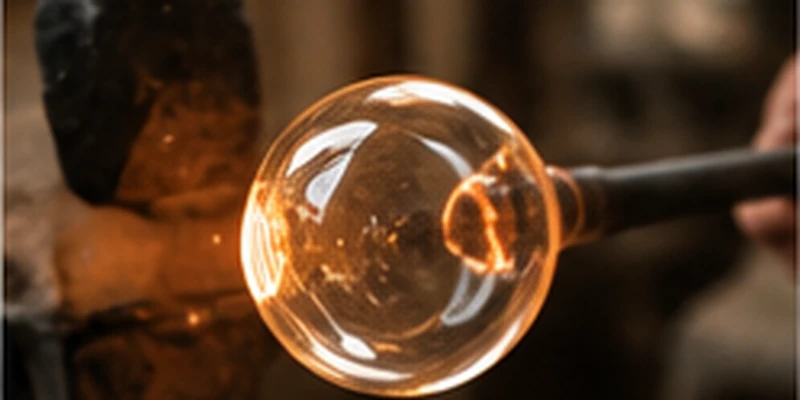
Hebron Natsheh Recycled Glass Blowing

ArticlePalestine

Hebron Natsheh Recycled Glass Blowing

Hebron glassblowing is often performed by two to four makers working around the same furnace, coordinating gathering, blowing and shaping in a shared rhythm.

Here, embodied knowledge is collective. Several glassblowers must read the same molten material and each other's timing closely enough to behave almost like one maker.

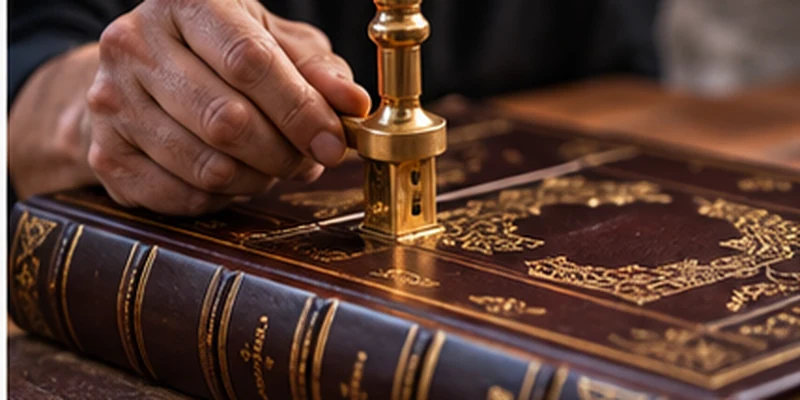
Milanese Bookbinding

ArticleItaly

Milanese Bookbinding

Before gold tooling, the binder breathes onto the prepared leather to create the fleeting surface condition that allows gold leaf to adhere. Heat, moisture and tool pressure then have to converge in a single irreversible impression.

A breath prepares the surface. One heated press decides whether the gold stays.

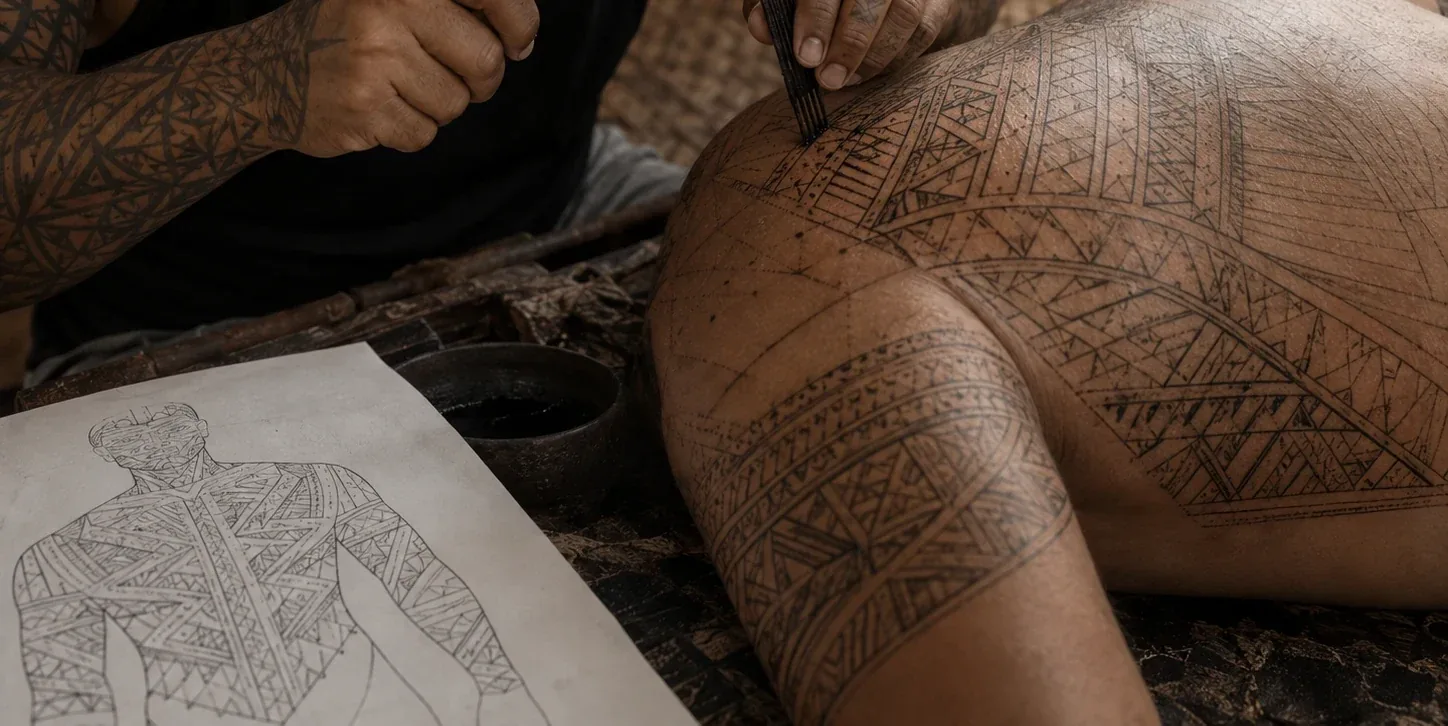
Marquesan Tattooing

CuriosityFrench Polynesia

Marquesan Tattooing

A whole-body Marquesan tattoo composition requires 5–15 years of sessions. The tuhuka must maintain spatial memory of the whole-body composition across multi-year intervals.

The Marquesan master tattooist holds a whole-body composition in spatial memory for up to 15 years — adding to it, session by session, across a human lifetime.


More from the archive →

A Global Research Map of Craft Technique

The Depository organizes public research leads through a 59-field schema covering materials, tools, process, context, risk, and possible applications. A mapped record is a starting point for deeper documentation; it is not presented as practitioner-verified unless that work has taken place.

Browse The ArchiveFind a Technique →

ARCHIVE MATURITY

From Research Lead to Living Transmission

The public collection is currently a mapped evidence base. CRAFT uses the following stages to show the deeper work still required and to avoid treating desk research as community verification.

01

Mapped

Structured from public and research sources.

02

Reviewed

Cross-checked and editorially strengthened.

03

Verified

Confirmed with a practitioner or knowledge-holding community.

04

Captured

Documented through interviews, images, video, or fieldwork.

05

Transmissible

Prepared for responsible teaching or application.

Global Coverage

205 countries · 2863 techniques

Liechtenstein

Loading archive…

CONTRIBUTE TO THE DEPOSITORY

Help Strengthen the Depository

Craft knowledge is dispersed across communities, workshops, and personal memory. Suggest a missing technique, contribute knowledge to an existing record, or help us correct something.

Every contribution is researched and reviewed before the archive is changed. Submissions are never published automatically.