

World Craft Depository

2,863 Mapped Technique Records
205 Countries Represented
59-Field Research Schema
From the Archive

Intelligence of the Hand

A rotating selection of extraordinary tacit knowledge from across CRAFT's growing global archive.

Chinchero Backstrap Loom Weaving

ArticlePeru

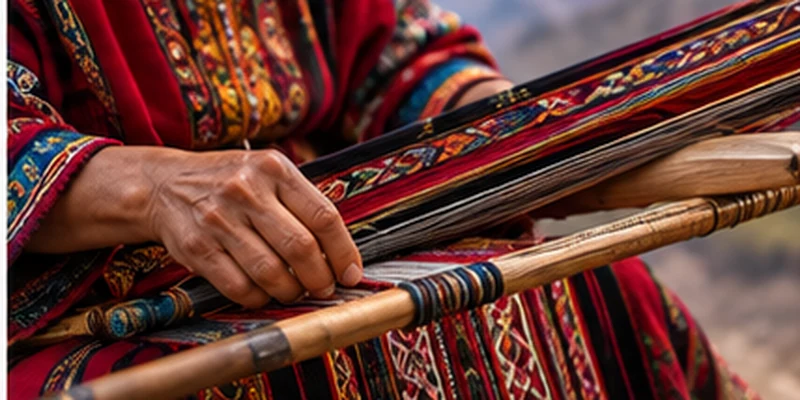
Chinchero Backstrap Loom Weaving

A backstrap loom has no fixed mechanism maintaining warp tension. The weaver’s own body becomes that mechanism: leaning forward releases tension, leaning back increases it, while both hands continue building the pattern.

The loom is incomplete without the body. The weaver herself is part of its tensioning system.

Toledo Damascene Metal Inlay

ArticleSpain

Toledo Damascene Metal Inlay

Before gold or silver wire is hammered into steel, the surface is cut into a microscopic cross-hatched grip. Experienced damasquinadores test the depth of that texture with a fingernail before committing the precious metal.

Before the gold goes in, a fingernail decides whether the steel is ready to hold it.

Emirati Ghaws Al-Kabir Pearl Diving

ArticleUnited Arab Emirates

Emirati Ghaws Al-Kabir Pearl Diving

The pearl diver works underwater for more than a minute without breathing apparatus, then signals the saib waiting above through tugs on a rope. Breath, exertion, oyster gathering and a tactile communication system must all fit inside the same shrinking window of time.

Underwater, a tug of rope becomes language — and timing determines whether the diver returns safely.

El Qurna Egyptian Alabaster Carving

ArticleEgypt

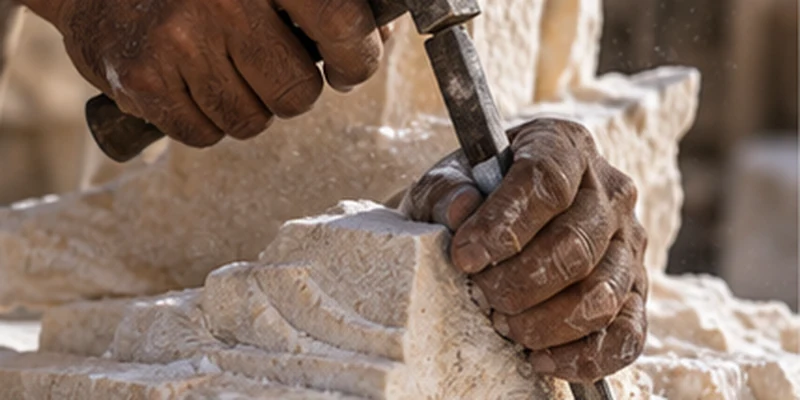
El Qurna Egyptian Alabaster Carving

Egyptian calcite can fracture under an overconfident blow. Carvers raised in El Qurna learn to judge hammer and chisel force through resistance transmitted back through the tool, progressively removing stone without opening an unseen crack.

Every strike removes stone. The real skill is knowing how much force the stone will forgive.

Mudmee Ikat Silk Weaving

ArticleThailand

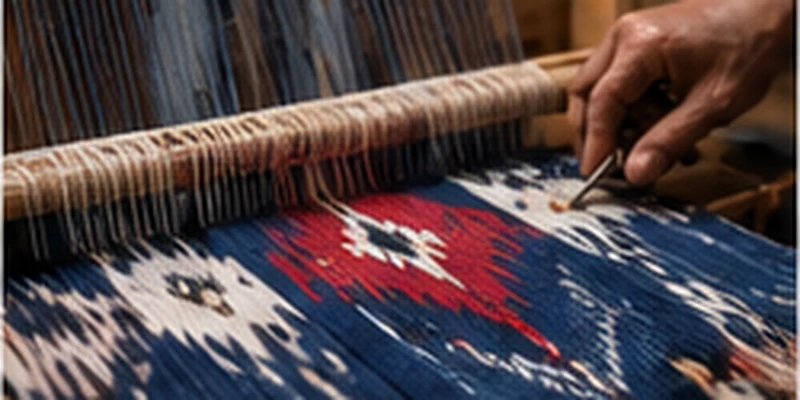
Mudmee Ikat Silk Weaving

Before a single thread is woven, hundreds of silk threads are bound, dyed and then returned to their original sequence. After dyeing has changed their color, the weaver reconstructs that order largely from memory.

The pattern exists before the cloth does. The difficult part is remembering where every dyed thread belongs.

Haida Cedar Dugout Canoe Building

ArticleCanada

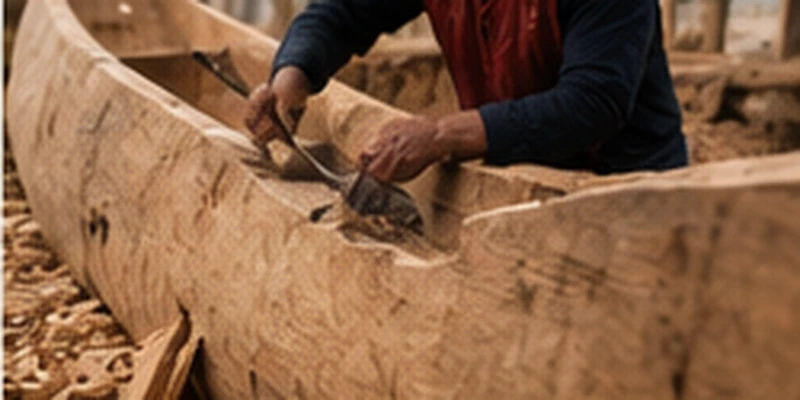
Haida Cedar Dugout Canoe Building

As a cedar hull is hollowed, the builder judges consistent wall thickness by tapping and listening before the canoe is steamed and spread. A variation that is difficult to see can be heard through the timber.

Before the canoe is widened by steam, its thickness is judged by sound. The tree becomes a hull partly through listening.


More from the archive →

A Global Research Map of Craft Technique

The Depository organizes public research leads through a 59-field schema covering materials, tools, process, context, risk, and possible applications. A mapped record is a starting point for deeper documentation; it is not presented as practitioner-verified unless that work has taken place.

Browse The ArchiveFind a Technique →

ARCHIVE MATURITY

From Research Lead to Living Transmission

The public collection is currently a mapped evidence base. CRAFT uses the following stages to show the deeper work still required and to avoid treating desk research as community verification.

01

Mapped

Structured from public and research sources.

02

Reviewed

Cross-checked and editorially strengthened.

03

Verified

Confirmed with a practitioner or knowledge-holding community.

04

Captured

Documented through interviews, images, video, or fieldwork.

05

Transmissible

Prepared for responsible teaching or application.

Global Coverage

205 countries · 2863 techniques

Guyana

Loading archive…

CONTRIBUTE TO THE DEPOSITORY

Help Strengthen the Depository

Craft knowledge is dispersed across communities, workshops, and personal memory. Suggest a missing technique, contribute knowledge to an existing record, or help us correct something.

Every contribution is researched and reviewed before the archive is changed. Submissions are never published automatically.