World Craft Depository

2,863 Mapped Technique Records
205 Countries Represented
59-Field Research Schema
From the Archive

Intelligence of the Hand

A rotating selection of extraordinary tacit knowledge from across CRAFT's growing global archive.

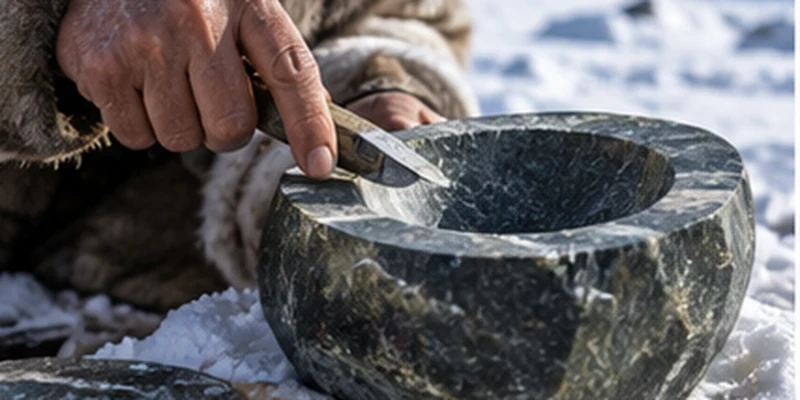
Inuit Qulliq Soapstone Lamp Carving

ArticleCanada

Inuit Qulliq Soapstone Lamp Carving

A qulliq must hold burning animal fat for long periods without cracking. As the soapstone reservoir is hollowed, the carver continuously judges wall thickness and depth by resistance under the tool, balancing fuel capacity against the stone left for strength.

Too much stone and the lamp holds less fuel. Too little and centuries of heat knowledge end in a crack.

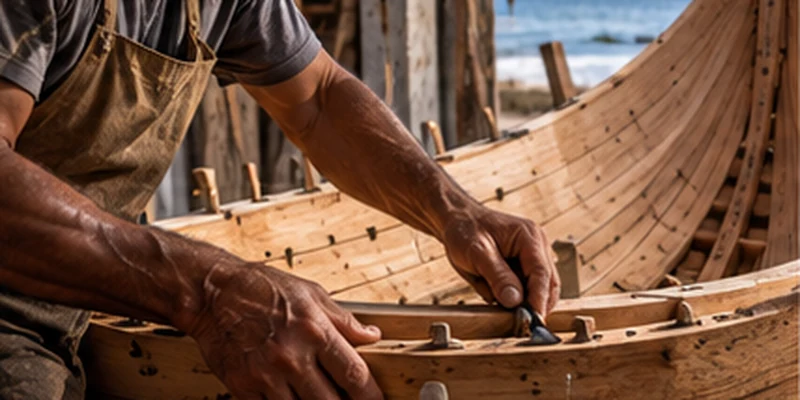
Greek Caique Boat Building

ArticleGreece

Greek Caique Boat Building

When a steamed hull plank leaves the steam box, the boatbuilder has only seconds to read three signals at once: the cloud of escaping steam, heat and moisture against the hand, and whether the first flex is silent. Then roughly a minute remains to bend it before it cools.

Steam, touch and sound give the answer. Then the builder has about sixty seconds to act.

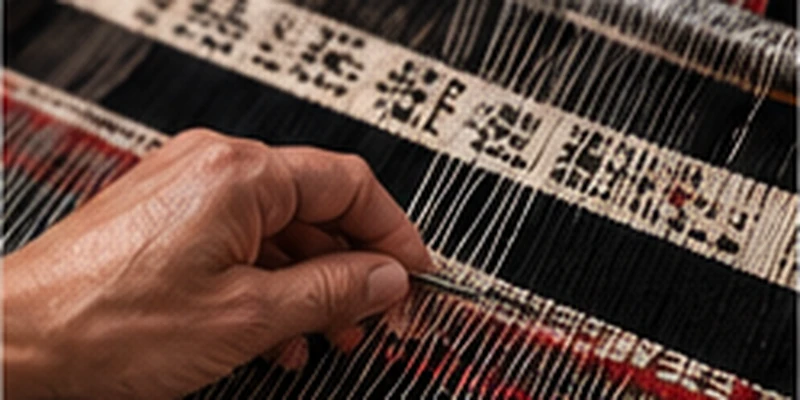
Al-Sadu Bedouin Weaving

ArticleSaudi Arabia

Al-Sadu Bedouin Weaving

Long geometric bands are produced through counted warp relationships maintained while the weaver also controls tension. Pattern, structure and rhythm are held together in the same sequence of movements.

In Al-Sadu, geometry is not drawn onto cloth. It is built directly into its tension and structure.

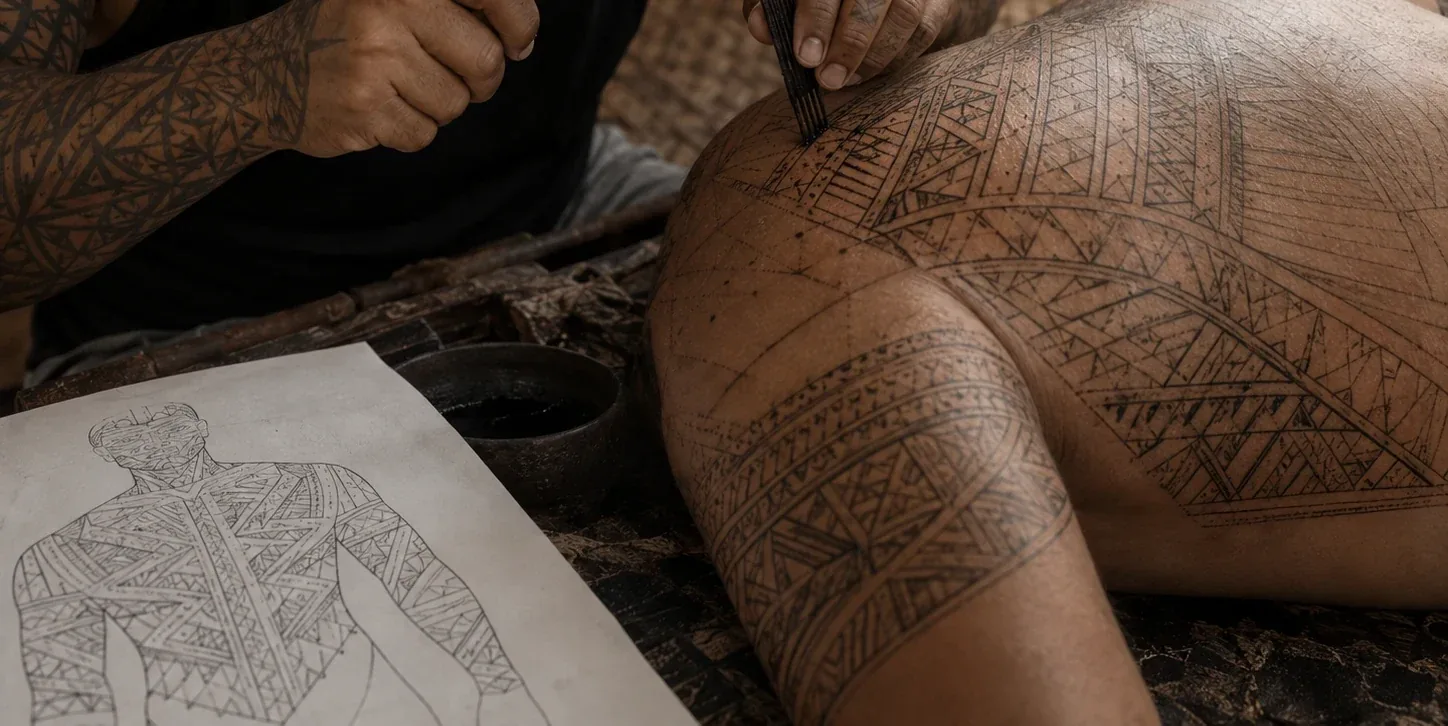
Marquesan Tattooing

CuriosityFrench Polynesia

Marquesan Tattooing

A whole-body Marquesan tattoo composition requires 5–15 years of sessions. The tuhuka must maintain spatial memory of the whole-body composition across multi-year intervals.

The Marquesan master tattooist holds a whole-body composition in spatial memory for up to 15 years — adding to it, session by session, across a human lifetime.

Ari & Amhara Hand-Built Pottery

ArticleEthiopia

Ari & Amhara Hand-Built Pottery

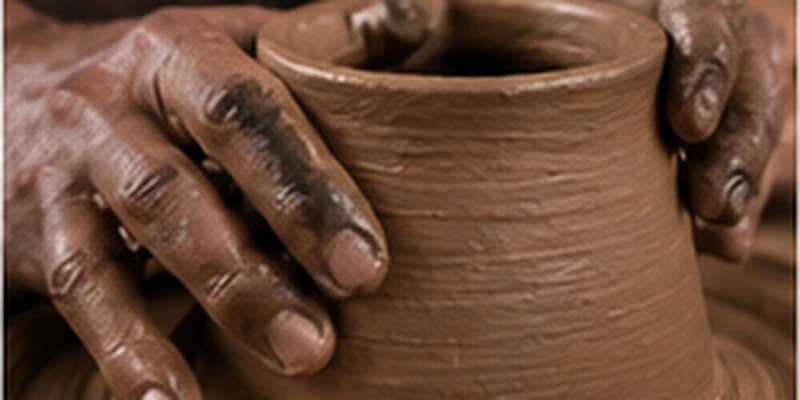
Among Ari potters, vessel forms are recognized as a hierarchy of difficulty: tila, disti, jebena and aksh. Learning is not simply linear; a potter may master the most difficult form yet remain less proficient at another.

Skill does not rise in a straight line. The hands remember different shapes as different kinds of intelligence.

Murano Glassblowing

ArticleItaly

Murano Glassblowing

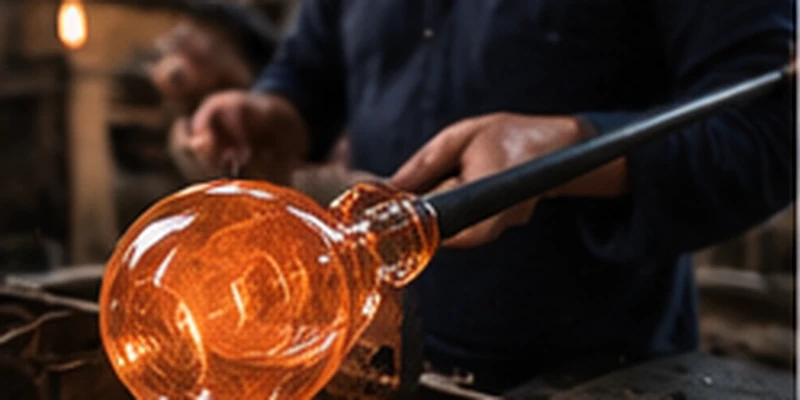
A Murano glassblower reads molten glass by color, weight, resistance and surface sheen. The useful working window between too hot and too cold can last only 20–40 seconds.

For the Murano glassblower, color is a thermometer and the blowpipe is a sensor. The hand must decide within seconds whether the glass will move, hold or fail.


More from the archive →

A Global Research Map of Craft Technique

The Depository organizes public research leads through a 59-field schema covering materials, tools, process, context, risk, and possible applications. A mapped record is a starting point for deeper documentation; it is not presented as practitioner-verified unless that work has taken place.

Browse The ArchiveFind a Technique →

ARCHIVE MATURITY

From Research Lead to Living Transmission

The public collection is currently a mapped evidence base. CRAFT uses the following stages to show the deeper work still required and to avoid treating desk research as community verification.

01

Mapped

Structured from public and research sources.

02

Reviewed

Cross-checked and editorially strengthened.

03

Verified

Confirmed with a practitioner or knowledge-holding community.

04

Captured

Documented through interviews, images, video, or fieldwork.

05

Transmissible

Prepared for responsible teaching or application.

Global Coverage

205 countries · 2863 techniques

Gambia

Loading archive…

CONTRIBUTE TO THE DEPOSITORY

Help Strengthen the Depository

Craft knowledge is dispersed across communities, workshops, and personal memory. Suggest a missing technique, contribute knowledge to an existing record, or help us correct something.

Every contribution is researched and reviewed before the archive is changed. Submissions are never published automatically.