World Craft Depository

2,863 Mapped Technique Records
205 Countries Represented
59-Field Research Schema
From the Archive

Intelligence of the Hand

A rotating selection of extraordinary tacit knowledge from across CRAFT's growing global archive.

Fijian Masi Barkcloth Making

ArticleFiji

Fijian Masi Barkcloth Making

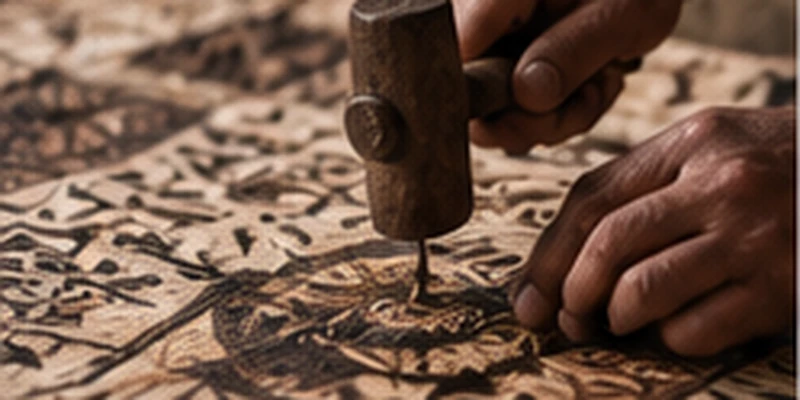
When two barkcloth sheets are joined, the cassava-starch paste must reach a fleeting state between wet and dry: tacky enough to bond, but no longer fluid enough to spread through the fibers.

The sheets are joined at a moment the maker feels rather than measures — before the paste has a name for what it has become.

Al-Sadu Bedouin Weaving

ArticleSaudi Arabia

Al-Sadu Bedouin Weaving

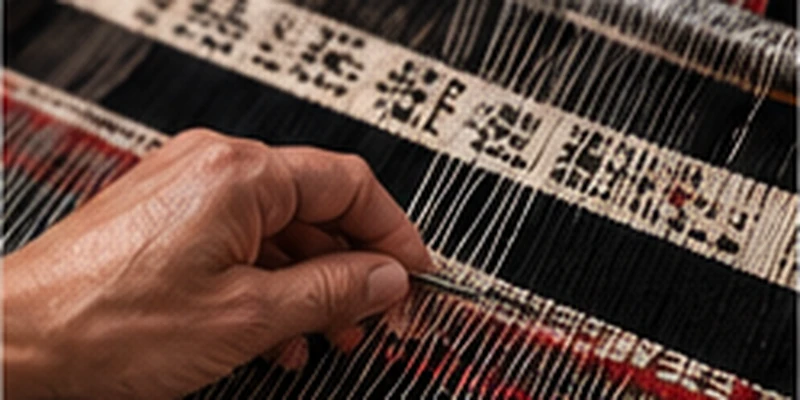
Long geometric bands are produced through counted warp relationships maintained while the weaver also controls tension. Pattern, structure and rhythm are held together in the same sequence of movements.

In Al-Sadu, geometry is not drawn onto cloth. It is built directly into its tension and structure.

Diné (Navajo) Upright-Loom Rug Weaving

ArticleUnited States

Diné (Navajo) Upright-Loom Rug Weaving

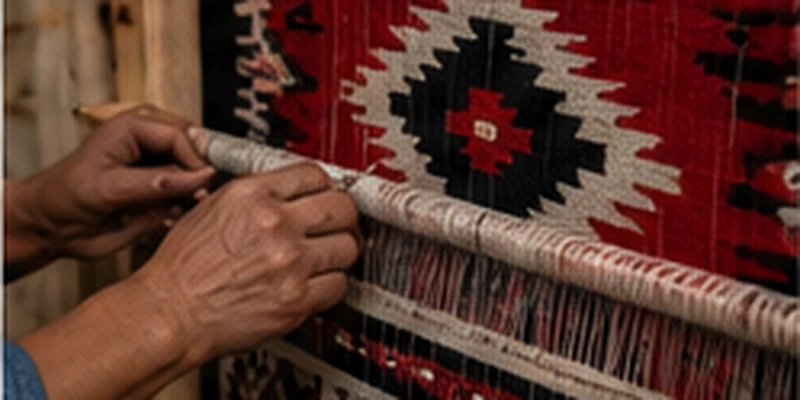
The weaver reads fabric density through the resistance and sound of the comb strikes, adjusting force by feel while holding the geometric pattern in memory rather than following a written chart.

The loom speaks back through sound and resistance. A Diné weaver listens, feels and remembers at the same time to keep tension and pattern coherent.

Lorraine Crystal Glass

ArticleFrance

Lorraine Crystal Glass

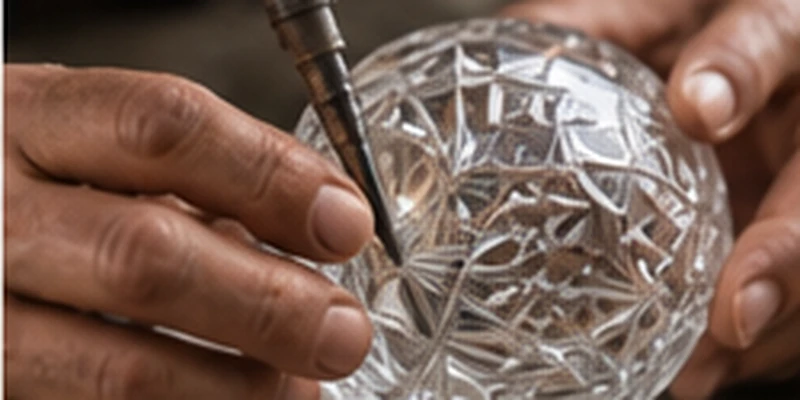
Lead crystal stays workable longer than ordinary glass, so the maker reads its state from color and from the way the hot gather slowly moves under gravity. Timing depends partly on knowing when not to intervene.

In Lorraine crystal making, waiting is a technical act. The maker watches gravity and color until the material enters the narrow state in which the next gesture will work.

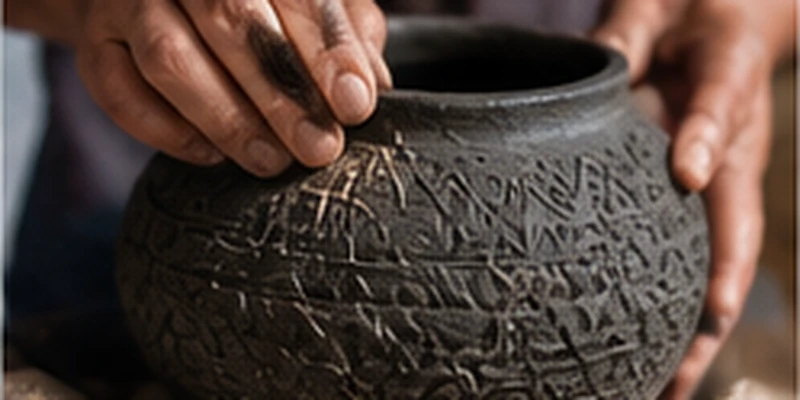
Sejnane Women's Hand-Built Pottery

ArticleTunisia

Sejnane Women's Hand-Built Pottery

Sejnane pottery is built entirely without a wheel. The potter judges clay consistency by touch and creates balanced vessel forms by hand and eye alone.

In Sejnane, the hands perform the centering work normally delegated to a wheel — sensing when the clay is ready and when a form is balanced.

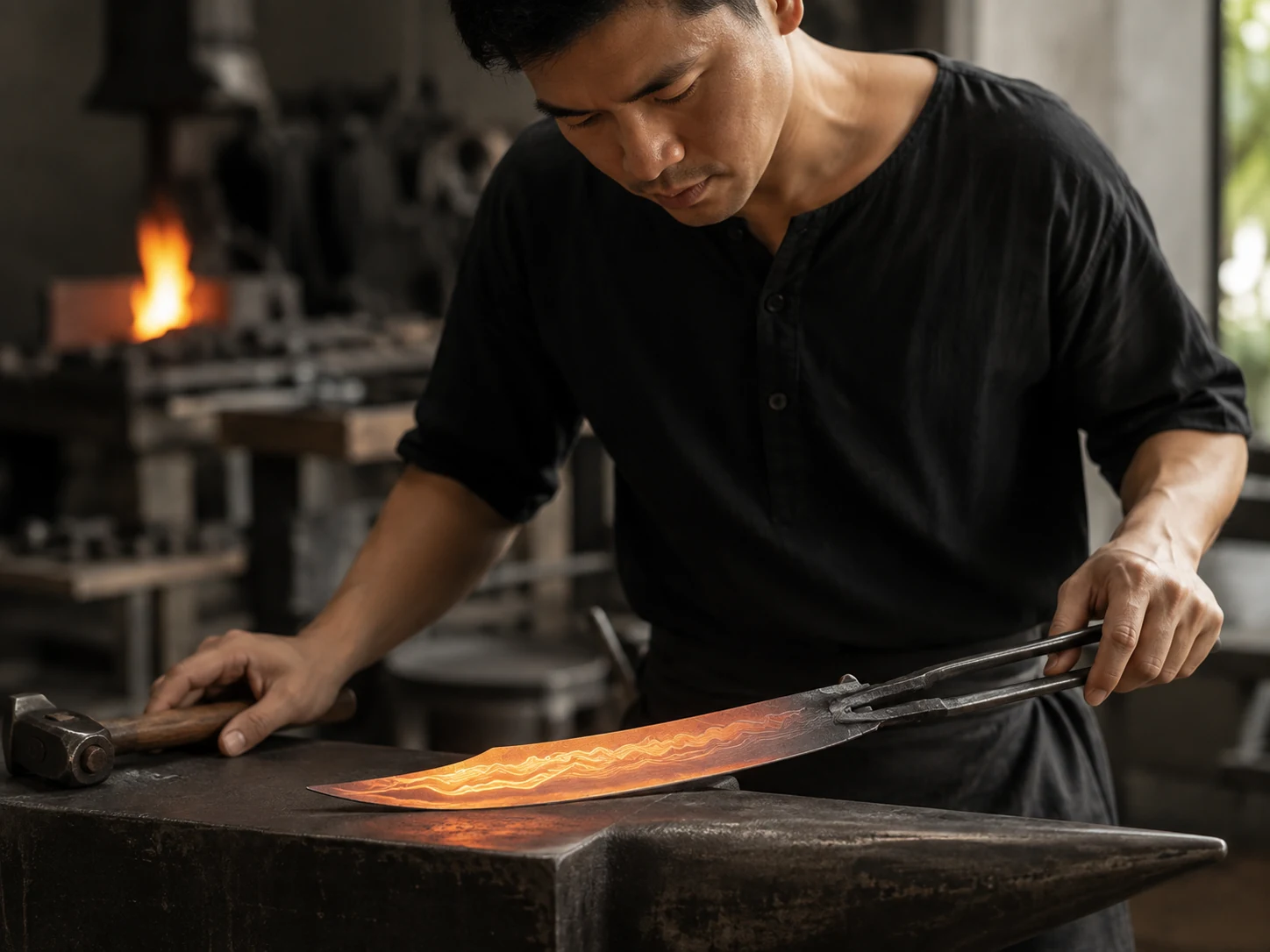
Thai-Malay Kris Blade Making

ArticleThailand

Thai-Malay Kris Blade Making

As the composite pamor billet is forged, the smith reads the emerging pattern in hot metal and guides the hammer to encourage the organic flow — not to impose it. The pamor pattern is never fully planned in advance.

The pattern of a Thai-Malay Kris blade is not designed. It is negotiated — between the smith's hammer and the hot metal.


More from the archive →

A Global Research Map of Craft Technique

The Depository organizes public research leads through a 59-field schema covering materials, tools, process, context, risk, and possible applications. A mapped record is a starting point for deeper documentation; it is not presented as practitioner-verified unless that work has taken place.

Browse The ArchiveFind a Technique →

ARCHIVE MATURITY

From Research Lead to Living Transmission

The public collection is currently a mapped evidence base. CRAFT uses the following stages to show the deeper work still required and to avoid treating desk research as community verification.

01

Mapped

Structured from public and research sources.

02

Reviewed

Cross-checked and editorially strengthened.

03

Verified

Confirmed with a practitioner or knowledge-holding community.

04

Captured

Documented through interviews, images, video, or fieldwork.

05

Transmissible

Prepared for responsible teaching or application.

Global Coverage

205 countries · 2863 techniques

El Salvador

Loading archive…

CONTRIBUTE TO THE DEPOSITORY

Help Strengthen the Depository

Craft knowledge is dispersed across communities, workshops, and personal memory. Suggest a missing technique, contribute knowledge to an existing record, or help us correct something.

Every contribution is researched and reviewed before the archive is changed. Submissions are never published automatically.