

World Craft Depository

2,863 Mapped Technique Records
205 Countries Represented
59-Field Research Schema
From the Archive

Intelligence of the Hand

A rotating selection of extraordinary tacit knowledge from across CRAFT's growing global archive.

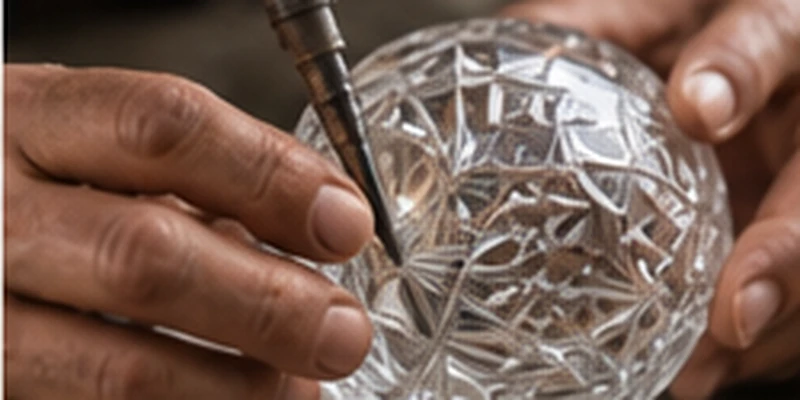
Lorraine Crystal Glass

ArticleFrance

Lorraine Crystal Glass

Lead crystal stays workable longer than ordinary glass, so the maker reads its state from color and from the way the hot gather slowly moves under gravity. Timing depends partly on knowing when not to intervene.

In Lorraine crystal making, waiting is a technical act. The maker watches gravity and color until the material enters the narrow state in which the next gesture will work.

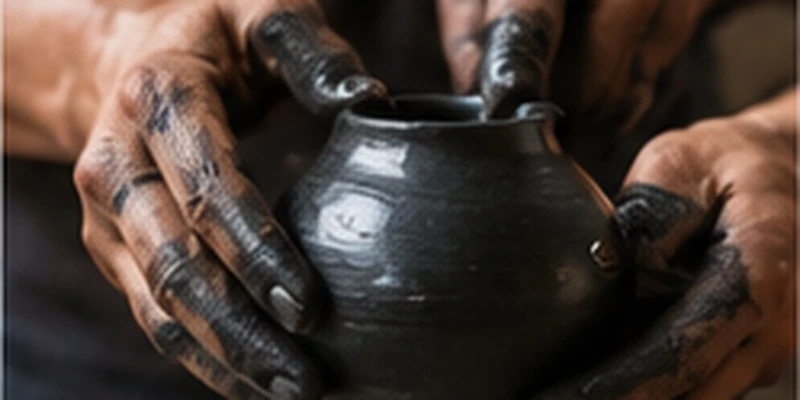
Oaxacan Black Pottery

ArticleMexico

Oaxacan Black Pottery

The famous sheen of barro negro is created by burnishing nearly dry clay before firing. The surface must be firm enough to withstand rubbing yet soft enough for the stone to compress it.

The black shine is not a glaze. It begins as pressure applied at exactly the right stage of dryness.

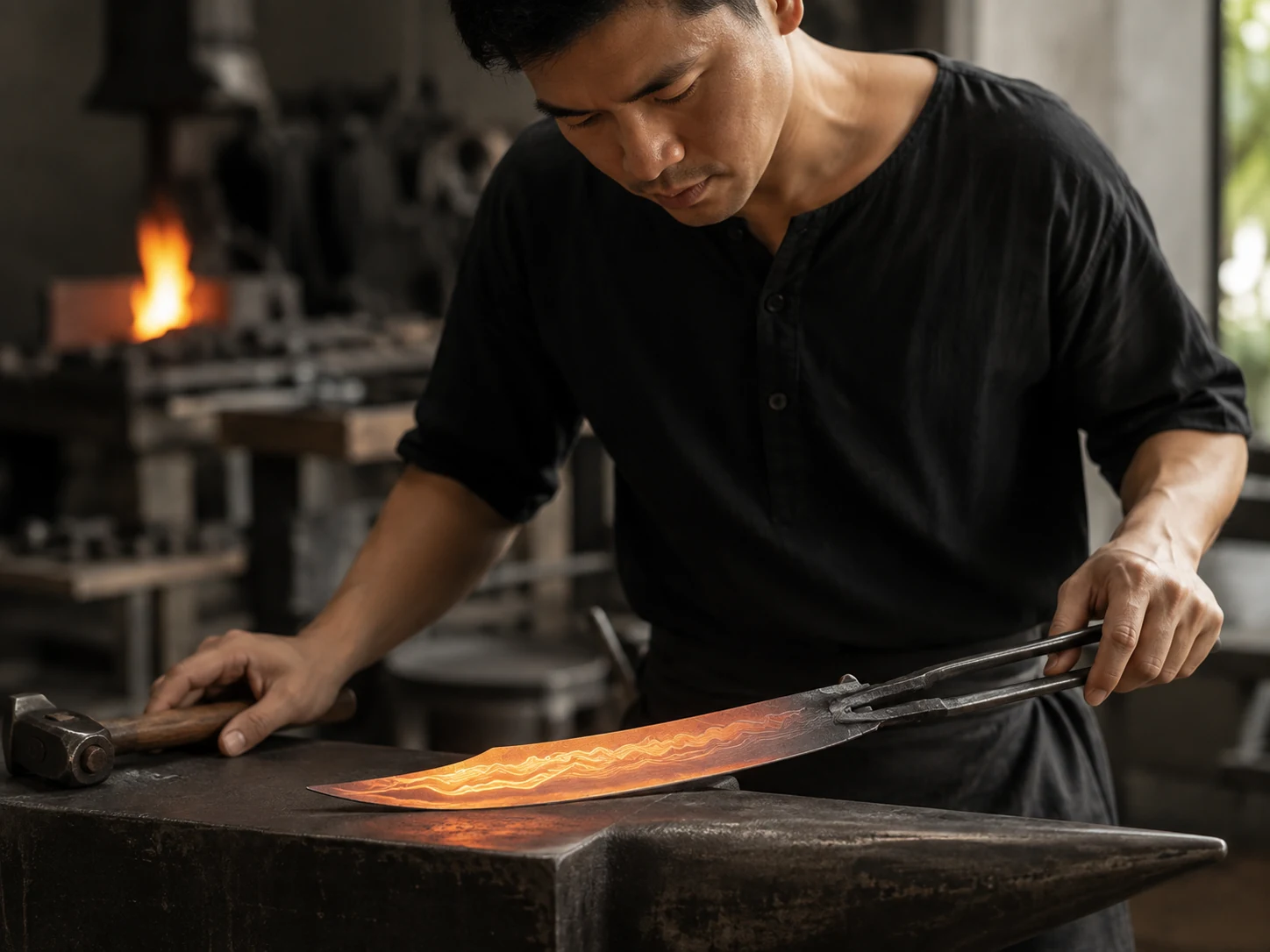
Thai-Malay Kris Blade Making

ArticleThailand

Thai-Malay Kris Blade Making

As the composite pamor billet is forged, the smith reads the emerging pattern in hot metal and guides the hammer to encourage the organic flow — not to impose it. The pamor pattern is never fully planned in advance.

The pattern of a Thai-Malay Kris blade is not designed. It is negotiated — between the smith's hammer and the hot metal.

Agadez Cross Lost-Wax Silversmithing

ArticleNiger

Agadez Cross Lost-Wax Silversmithing

The cross is cast entirely by lost-wax rather than hammered into shape. Once cast, each piece receives etched geometric decoration unique to that object; the inherited form is repeated, but the surface is judged and cut by hand.

The form repeats; the surface never does. A centuries-old geometry still leaves room for the hand of each smith.

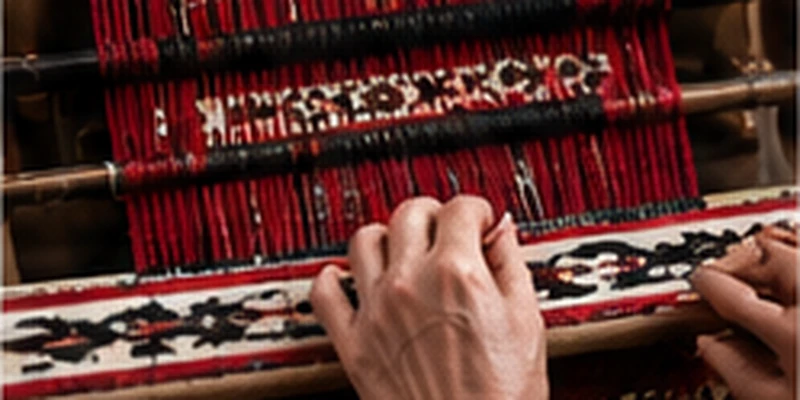
Bani Jamra Hand-and-Foot Naseej Weaving

ArticleBahrain

Bani Jamra Hand-and-Foot Naseej Weaving

Bani Jamra weaving requires coordinated use of both hands and legs. Textile structure emerges from a learned choreography distributed across the body rather than from hand movement alone.

In Bani Jamra, the body becomes part of the loom. Hands and feet operate as one rhythmic system to control thread, tension and structure.

Hebron Natsheh Recycled Glass Blowing

ArticlePalestine

Hebron Natsheh Recycled Glass Blowing

Hebron glassblowing is often performed by two to four makers working around the same furnace, coordinating gathering, blowing and shaping in a shared rhythm.

Here, embodied knowledge is collective. Several glassblowers must read the same molten material and each other's timing closely enough to behave almost like one maker.


More from the archive →

A Global Research Map of Craft Technique

The Depository organizes public research leads through a 59-field schema covering materials, tools, process, context, risk, and possible applications. A mapped record is a starting point for deeper documentation; it is not presented as practitioner-verified unless that work has taken place.

Browse The ArchiveFind a Technique →

ARCHIVE MATURITY

From Research Lead to Living Transmission

The public collection is currently a mapped evidence base. CRAFT uses the following stages to show the deeper work still required and to avoid treating desk research as community verification.

01

Mapped

Structured from public and research sources.

02

Reviewed

Cross-checked and editorially strengthened.

03

Verified

Confirmed with a practitioner or knowledge-holding community.

04

Captured

Documented through interviews, images, video, or fieldwork.

05

Transmissible

Prepared for responsible teaching or application.

Global Coverage

205 countries · 2863 techniques

Djibouti

Loading archive…

CONTRIBUTE TO THE DEPOSITORY

Help Strengthen the Depository

Craft knowledge is dispersed across communities, workshops, and personal memory. Suggest a missing technique, contribute knowledge to an existing record, or help us correct something.

Every contribution is researched and reviewed before the archive is changed. Submissions are never published automatically.