World Craft Depository

2,863 Mapped Technique Records
205 Countries Represented
59-Field Research Schema
From the Archive

Intelligence of the Hand

A rotating selection of extraordinary tacit knowledge from across CRAFT's growing global archive.

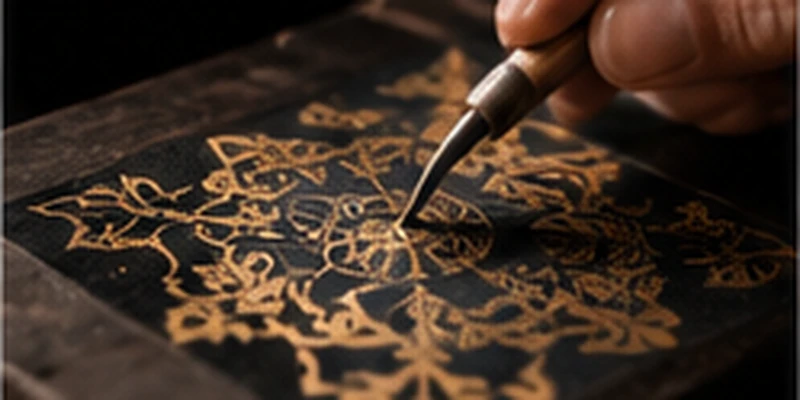
Toledo Damascene Metal Inlay

ArticleSpain

Toledo Damascene Metal Inlay

Before gold or silver wire is hammered into steel, the surface is cut into a microscopic cross-hatched grip. Experienced damasquinadores test the depth of that texture with a fingernail before committing the precious metal.

Before the gold goes in, a fingernail decides whether the steel is ready to hold it.

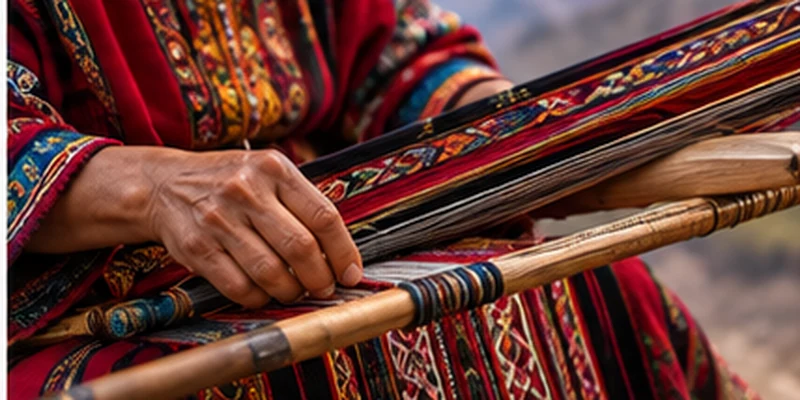
Chinchero Backstrap Loom Weaving

ArticlePeru

Chinchero Backstrap Loom Weaving

A backstrap loom has no fixed mechanism maintaining warp tension. The weaver’s own body becomes that mechanism: leaning forward releases tension, leaning back increases it, while both hands continue building the pattern.

The loom is incomplete without the body. The weaver herself is part of its tensioning system.

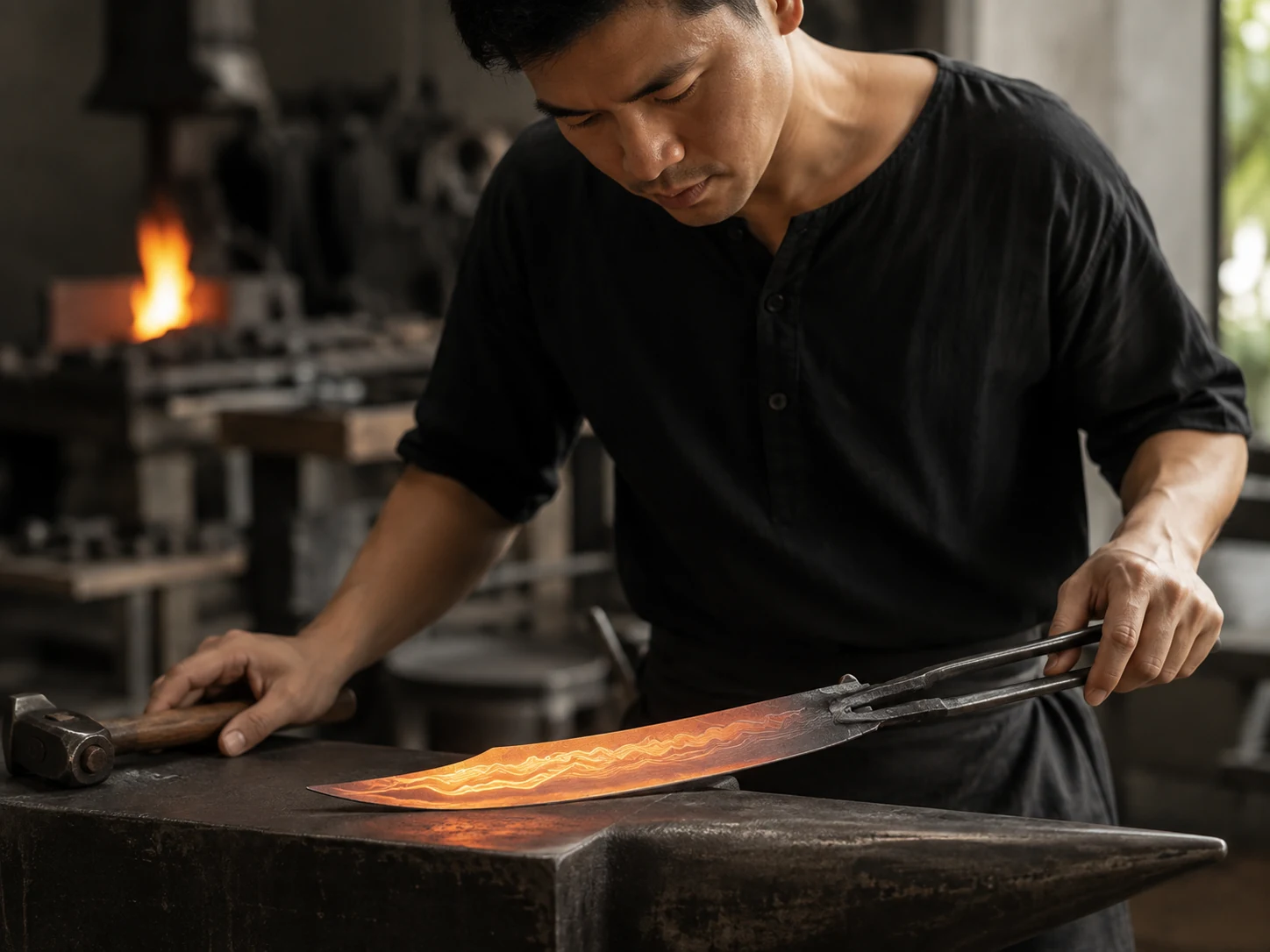
Thai-Malay Kris Blade Making

ArticleThailand

Thai-Malay Kris Blade Making

As the composite pamor billet is forged, the smith reads the emerging pattern in hot metal and guides the hammer to encourage the organic flow — not to impose it. The pamor pattern is never fully planned in advance.

The pattern of a Thai-Malay Kris blade is not designed. It is negotiated — between the smith's hammer and the hot metal.

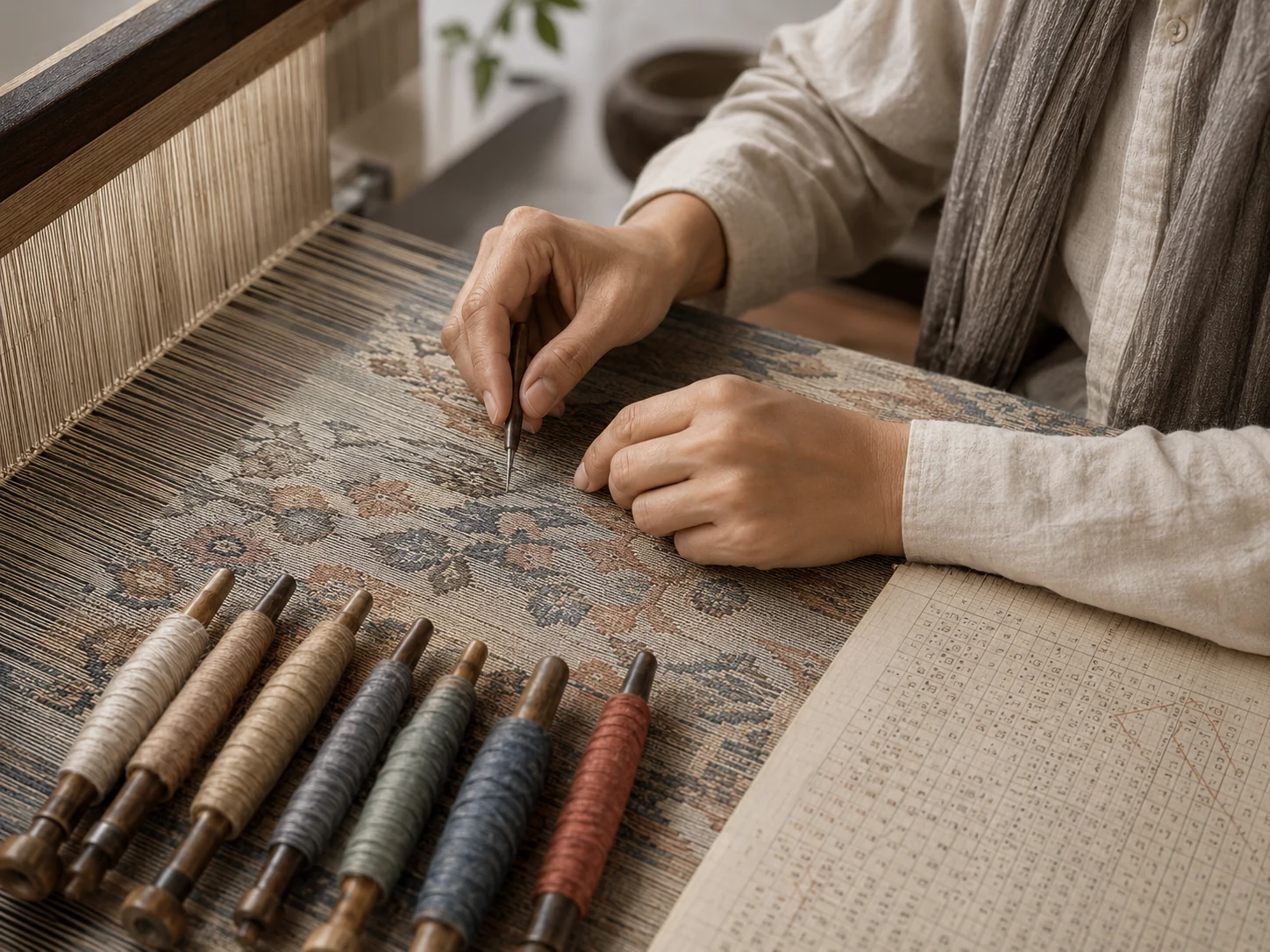
Kani Shawl Weaving

ArticleIndia

Kani Shawl Weaving

The most endangered element may not be the weaving — it is the talim, an oral notation system in which the pattern is encoded as a chanted sequence of numbers and color codes. If the talim disappears, the pattern knowledge disappears with it.

The most endangered part of the Kani shawl tradition is not the loom, not the pashmina, not the weaver. It is a chanted number sequence.

Fustat Wheel-Thrown Pottery

ArticleEgypt

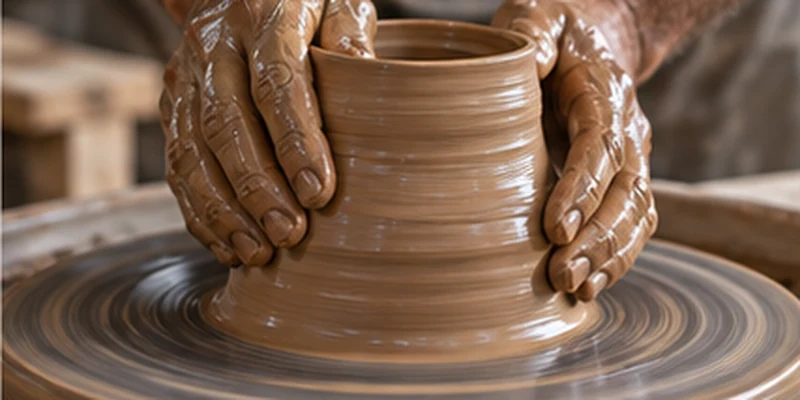
Fustat Wheel-Thrown Pottery

Once the clay is correctly prepared, an experienced Fustat potter can throw vessels at extraordinary speed — one documented maker produced five pots in under five minutes. Yet the slower work of levigating, mixing and treading the clay is what makes that speed possible.

The spectacular part takes seconds. The intelligence that enables it happens long before the wheel starts turning.

Emirati Dhow Carvel-Construction Boatbuilding

ArticleUnited Arab Emirates

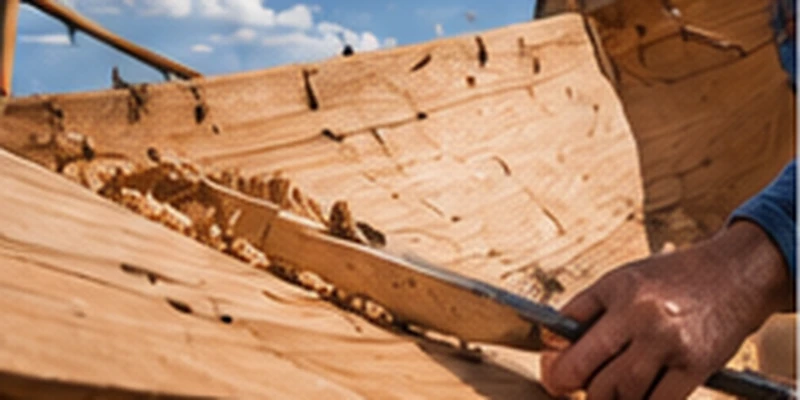
Emirati Dhow Carvel-Construction Boatbuilding

Traditional dhow shipwrights can build a hull without formal blueprints, judging curvature, proportion and the edge-to-edge fit of bent planks through internalized spatial knowledge.

A seaworthy vessel can begin as a shape held in the builder's mind. Hull geometry is transferred into timber through sight, touch and accumulated bodily memory.


More from the archive →

A Global Research Map of Craft Technique

The Depository organizes public research leads through a 59-field schema covering materials, tools, process, context, risk, and possible applications. A mapped record is a starting point for deeper documentation; it is not presented as practitioner-verified unless that work has taken place.

Browse The ArchiveFind a Technique →

ARCHIVE MATURITY

From Research Lead to Living Transmission

The public collection is currently a mapped evidence base. CRAFT uses the following stages to show the deeper work still required and to avoid treating desk research as community verification.

01

Mapped

Structured from public and research sources.

02

Reviewed

Cross-checked and editorially strengthened.

03

Verified

Confirmed with a practitioner or knowledge-holding community.

04

Captured

Documented through interviews, images, video, or fieldwork.

05

Transmissible

Prepared for responsible teaching or application.

Global Coverage

205 countries · 2863 techniques

Central African Republic

Loading archive…

CONTRIBUTE TO THE DEPOSITORY

Help Strengthen the Depository

Craft knowledge is dispersed across communities, workshops, and personal memory. Suggest a missing technique, contribute knowledge to an existing record, or help us correct something.

Every contribution is researched and reviewed before the archive is changed. Submissions are never published automatically.