World Craft Depository

3,013 Mapped Technique Records
205 Countries Represented
59-Field Research Schema
From the Archive

Intelligence of the Hand

A rotating selection of extraordinary tacit knowledge from across CRAFT's growing global archive.

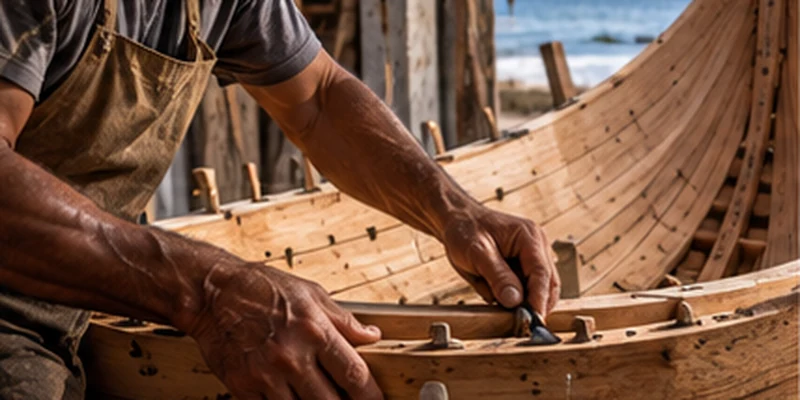
Greek Caique Boat Building

ArticleGreece

Greek Caique Boat Building

When a steamed hull plank leaves the steam box, the boatbuilder has only seconds to read three signals at once: the cloud of escaping steam, heat and moisture against the hand, and whether the first flex is silent. Then roughly a minute remains to bend it before it cools.

Steam, touch and sound give the answer. Then the builder has about sixty seconds to act.

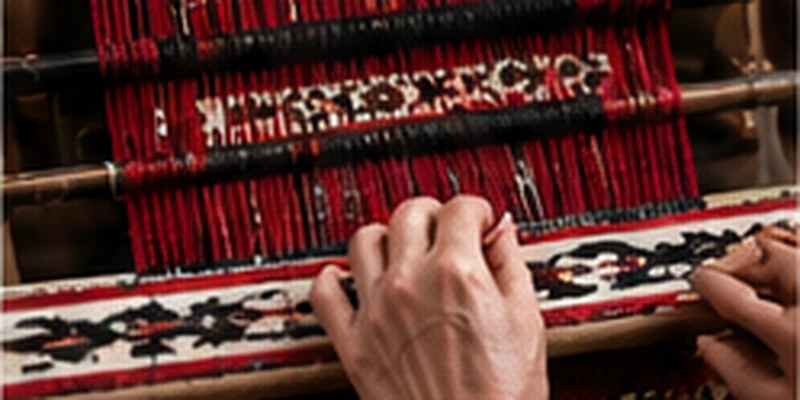
Bani Jamra Hand-and-Foot Naseej Weaving

ArticleBahrain

Bani Jamra Hand-and-Foot Naseej Weaving

Bani Jamra weaving requires coordinated use of both hands and legs. Textile structure emerges from a learned choreography distributed across the body rather than from hand movement alone.

In Bani Jamra, the body becomes part of the loom. Hands and feet operate as one rhythmic system to control thread, tension and structure.

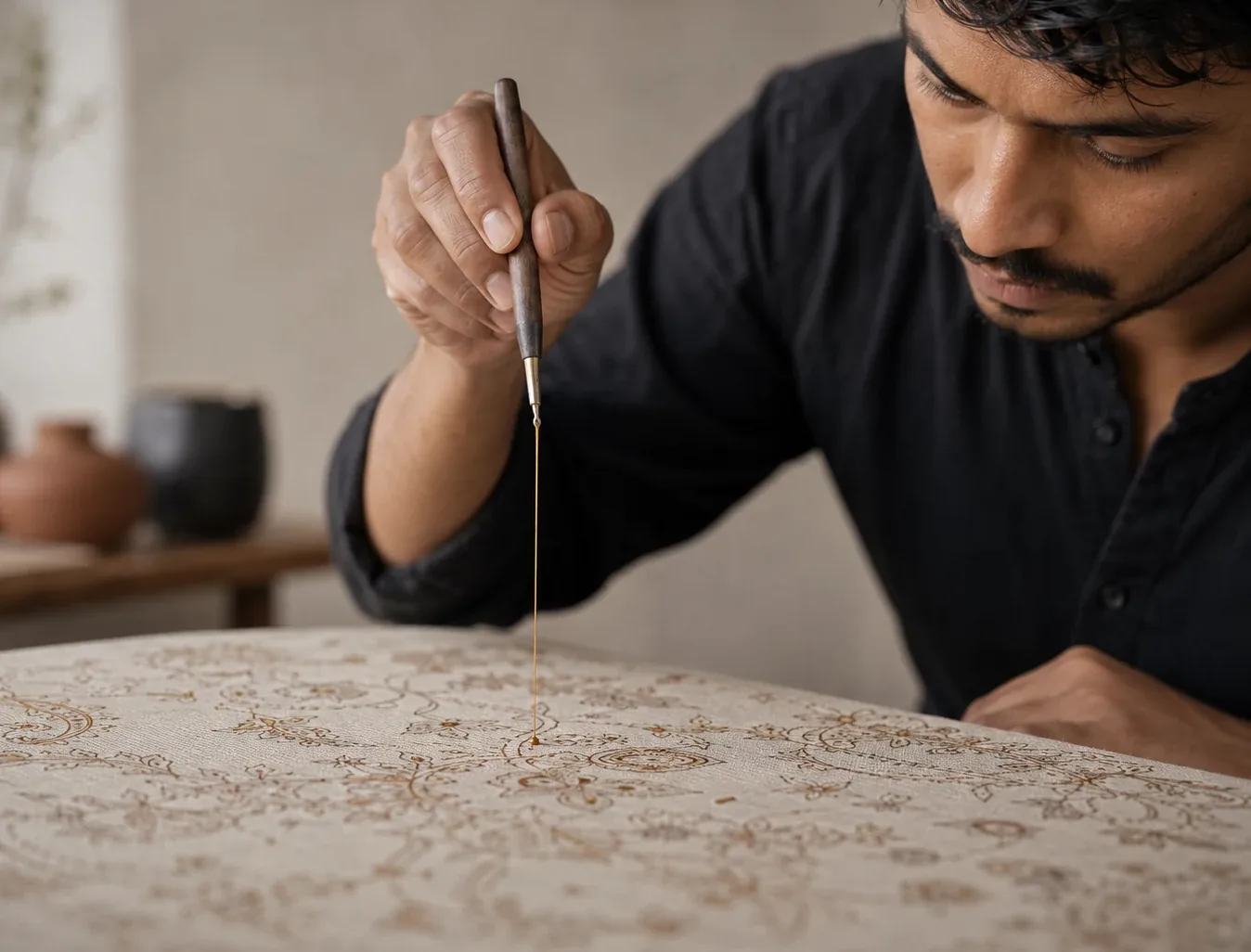
Rogan Painting

ArticleIndia

Rogan Painting

Rogan thread is drawn from a stylus held above the cloth without ever touching it — a contactless painting technique unique in the database. The thread falls onto the surface under gravity and the painter's hand movement alone.

Rogan painting is the only craft in the database where the tool never touches the surface. The thread falls from above, guided only by the painter's moving hand.

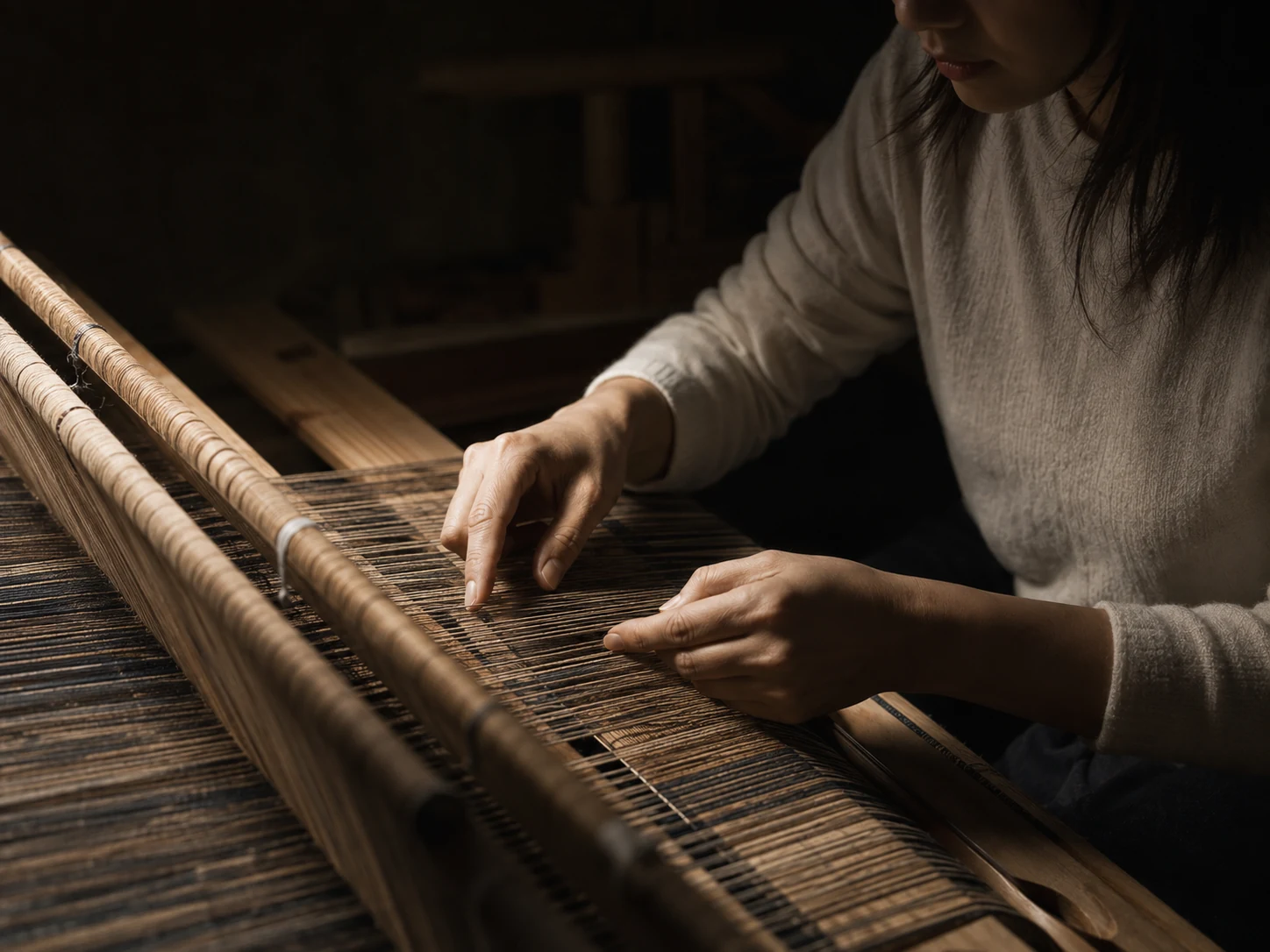
Atayal Night Weaving

ArticleTaiwan

Atayal Night Weaving

Atayal weavers deliberately practice in reduced light to force haptic thread identification. Darkness is not a constraint — it is a training tool.

The Atayal people of Taiwan deliberately weave in the dark — not by necessity but by design, to train the hands to read what the eyes cannot see.

Oaxacan Black Pottery

ArticleMexico

Oaxacan Black Pottery

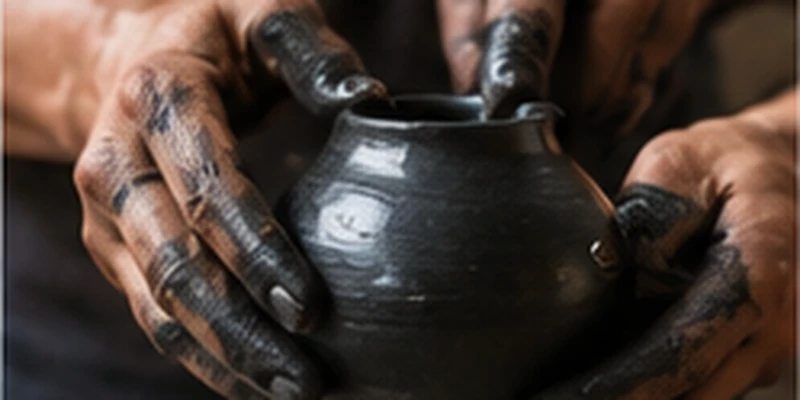
The famous sheen of barro negro is created by burnishing nearly dry clay before firing. The surface must be firm enough to withstand rubbing yet soft enough for the stone to compress it.

The black shine is not a glaze. It begins as pressure applied at exactly the right stage of dryness.

Moroccan Henna Paste Preparation & Ceremonial Application

ArticleMorocco

Moroccan Henna Paste Preparation & Ceremonial Application

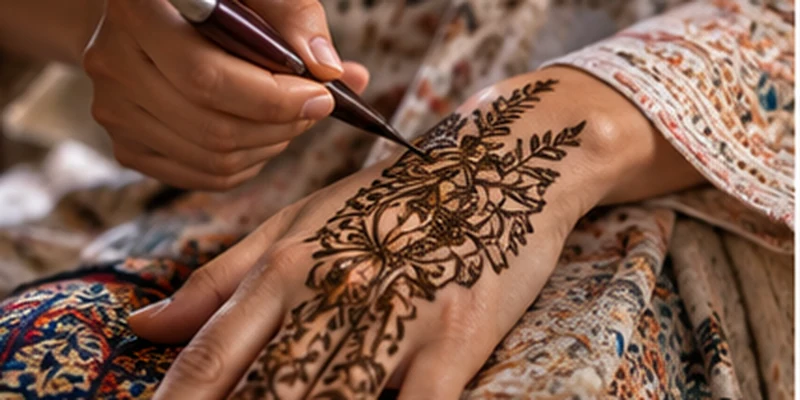
The henna artist draws directly onto living skin without a stencil. Syringe or cone pressure has to remain consistent even as the surface beneath the hand moves, flexes and changes curvature.

The pattern is drawn on a surface that never stays completely still.


More from the archive →

A Global Research Map of Craft Technique

The Depository organizes public research leads through a 59-field schema covering materials, tools, process, context, risk, and possible applications. A mapped record is a starting point for deeper documentation; it is not presented as practitioner-verified unless that work has taken place.

Browse The ArchiveFind a Technique →

ARCHIVE MATURITY

From Research Lead to Living Transmission

The public collection is currently a mapped evidence base. CRAFT uses the following stages to show the deeper work still required and to avoid treating desk research as community verification.

01

Mapped

Structured from public and research sources.

02

Reviewed

Cross-checked and editorially strengthened.

03

Verified

Confirmed with a practitioner or knowledge-holding community.

04

Captured

Documented through interviews, images, video, or fieldwork.

05

Transmissible

Prepared for responsible teaching or application.

Global Coverage

205 countries · 3013 techniques

Canada

Loading archive…

CONTRIBUTE TO THE DEPOSITORY

Help Strengthen the Depository

Craft knowledge is dispersed across communities, workshops, and personal memory. Suggest a missing technique, contribute knowledge to an existing record, or help us correct something.

Every contribution is researched and reviewed before the archive is changed. Submissions are never published automatically.