World Craft Depository

2,863 Mapped Technique Records
205 Countries Represented
59-Field Research Schema
From the Archive

Intelligence of the Hand

A rotating selection of extraordinary tacit knowledge from across CRAFT's growing global archive.

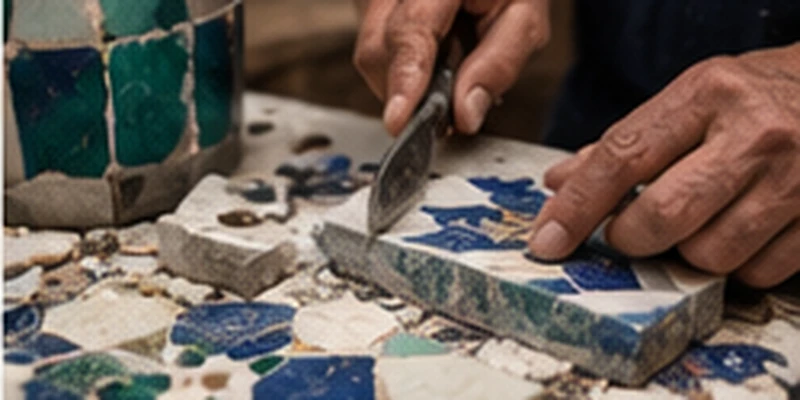
Fez Zellige Hand-Cut Mosaic Tilework

ArticleMorocco

Fez Zellige Hand-Cut Mosaic Tilework

A seasoned maalem (master craftsman) can judge the correct cutting angle for a tile purely from the sound and feel of the hammer striking terracotta. The pieces are then assembled face-down, so the complete pattern cannot be seen while it is being built.

The zellige maker cuts geometry by ear as much as by eye — then assembles hundreds of fragments into a composition he cannot fully see until it is complete.

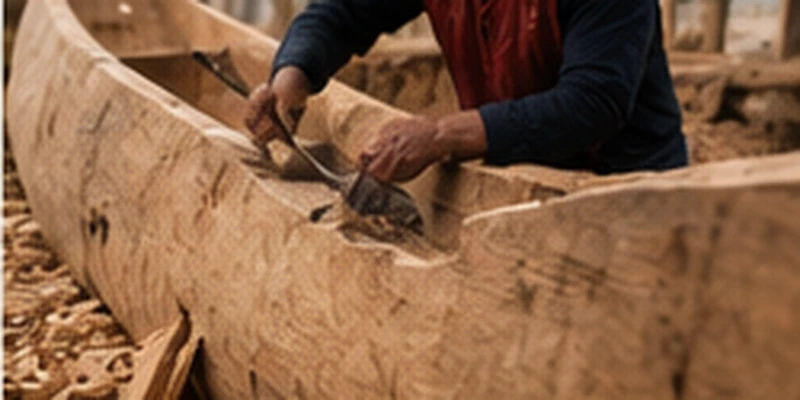
Haida Cedar Dugout Canoe Building

ArticleCanada

Haida Cedar Dugout Canoe Building

As a cedar hull is hollowed, the builder judges consistent wall thickness by tapping and listening before the canoe is steamed and spread. A variation that is difficult to see can be heard through the timber.

Before the canoe is widened by steam, its thickness is judged by sound. The tree becomes a hull partly through listening.

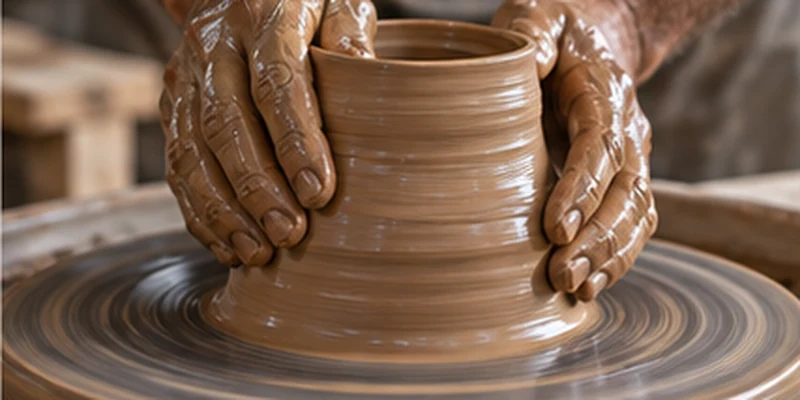
Fustat Wheel-Thrown Pottery

ArticleEgypt

Fustat Wheel-Thrown Pottery

Once the clay is correctly prepared, an experienced Fustat potter can throw vessels at extraordinary speed — one documented maker produced five pots in under five minutes. Yet the slower work of levigating, mixing and treading the clay is what makes that speed possible.

The spectacular part takes seconds. The intelligence that enables it happens long before the wheel starts turning.

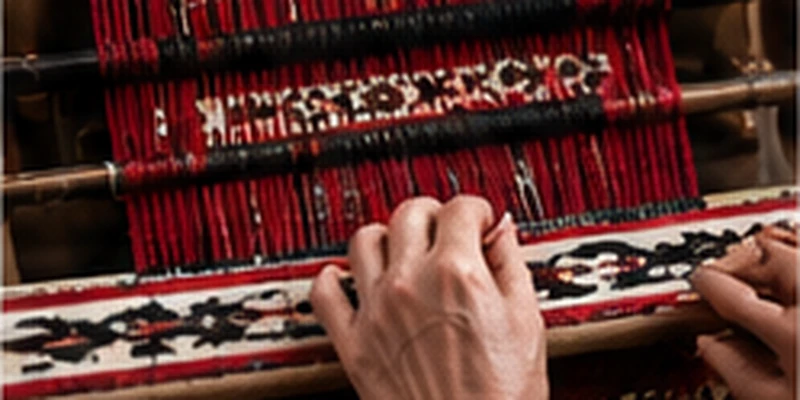
Bani Jamra Hand-and-Foot Naseej Weaving

ArticleBahrain

Bani Jamra Hand-and-Foot Naseej Weaving

Bani Jamra weaving requires coordinated use of both hands and legs. Textile structure emerges from a learned choreography distributed across the body rather than from hand movement alone.

In Bani Jamra, the body becomes part of the loom. Hands and feet operate as one rhythmic system to control thread, tension and structure.

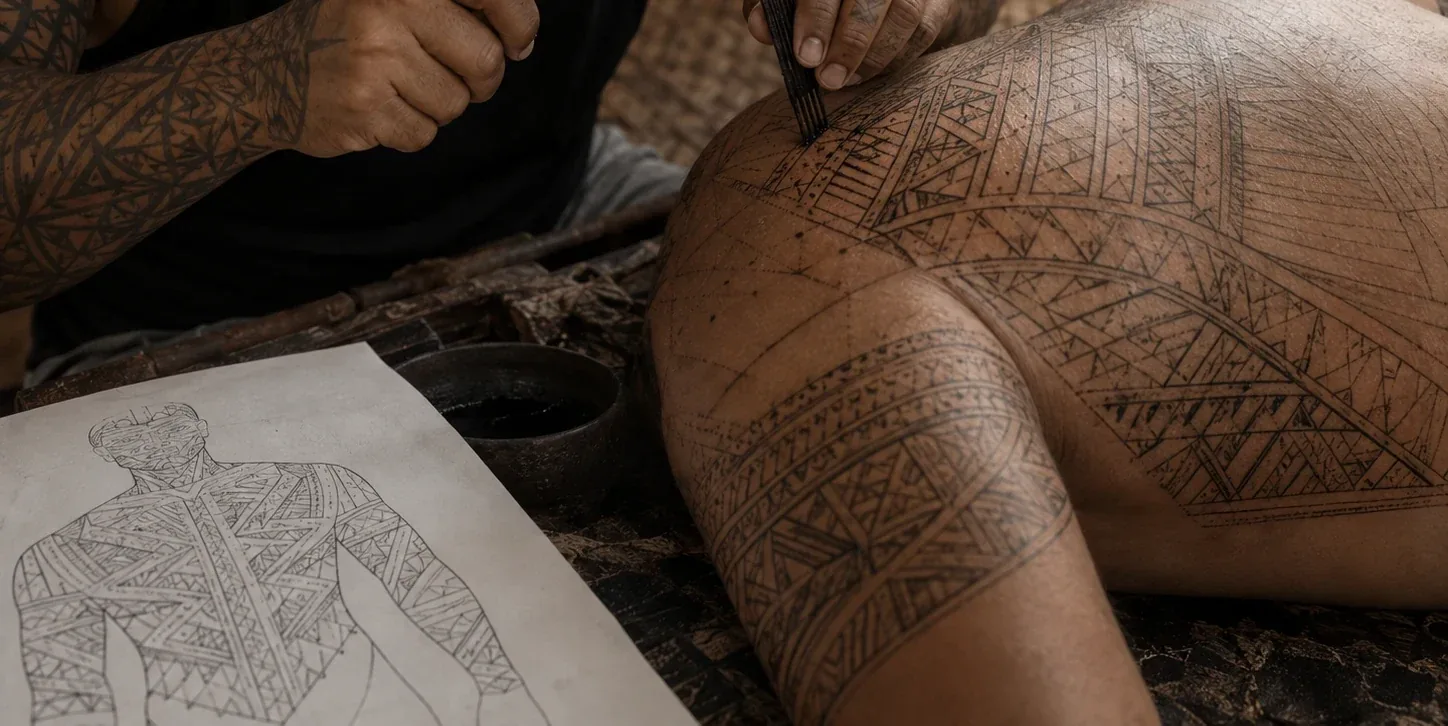
Marquesan Tattooing

CuriosityFrench Polynesia

Marquesan Tattooing

A whole-body Marquesan tattoo composition requires 5–15 years of sessions. The tuhuka must maintain spatial memory of the whole-body composition across multi-year intervals.

The Marquesan master tattooist holds a whole-body composition in spatial memory for up to 15 years — adding to it, session by session, across a human lifetime.

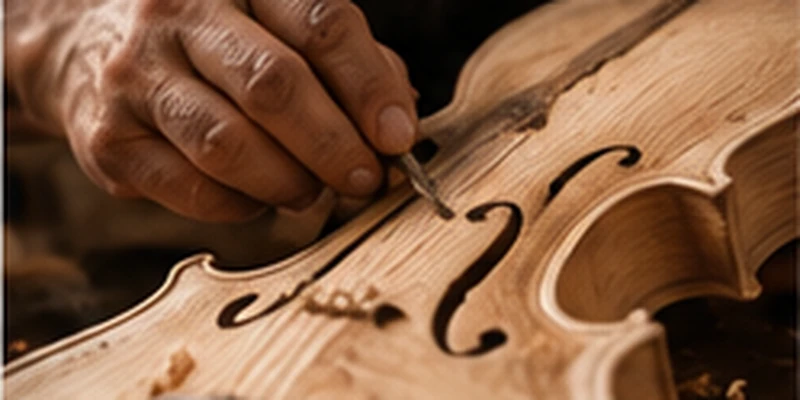
Cremona Violin Making

ArticleItaly

Cremona Violin Making

Before a Cremonese violin has strings, its top and back plates are already being tuned. The luthier taps the wood, hearing the note while also feeling the vibration through the fingers.

A violin begins to reveal its voice while it is still pieces of wood. The maker removes minute amounts until sound, stiffness and vibration reach the right balance.


More from the archive →

A Global Research Map of Craft Technique

The Depository organizes public research leads through a 59-field schema covering materials, tools, process, context, risk, and possible applications. A mapped record is a starting point for deeper documentation; it is not presented as practitioner-verified unless that work has taken place.

Browse The ArchiveFind a Technique →

ARCHIVE MATURITY

From Research Lead to Living Transmission

The public collection is currently a mapped evidence base. CRAFT uses the following stages to show the deeper work still required and to avoid treating desk research as community verification.

01

Mapped

Structured from public and research sources.

02

Reviewed

Cross-checked and editorially strengthened.

03

Verified

Confirmed with a practitioner or knowledge-holding community.

04

Captured

Documented through interviews, images, video, or fieldwork.

05

Transmissible

Prepared for responsible teaching or application.

Global Coverage

205 countries · 2863 techniques

Cameroon

Loading archive…

CONTRIBUTE TO THE DEPOSITORY

Help Strengthen the Depository

Craft knowledge is dispersed across communities, workshops, and personal memory. Suggest a missing technique, contribute knowledge to an existing record, or help us correct something.

Every contribution is researched and reviewed before the archive is changed. Submissions are never published automatically.