World Craft Depository

2,863 Mapped Technique Records
205 Countries Represented
59-Field Research Schema
From the Archive

Intelligence of the Hand

A rotating selection of extraordinary tacit knowledge from across CRAFT's growing global archive.

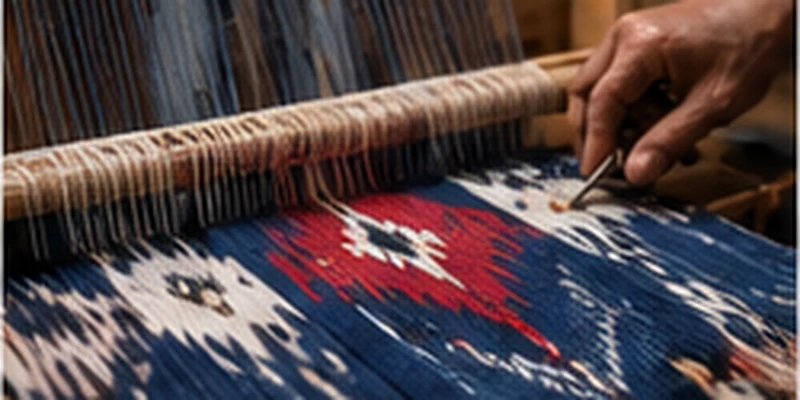
Mudmee Ikat Silk Weaving

ArticleThailand

Mudmee Ikat Silk Weaving

Before a single thread is woven, hundreds of silk threads are bound, dyed and then returned to their original sequence. After dyeing has changed their color, the weaver reconstructs that order largely from memory.

The pattern exists before the cloth does. The difficult part is remembering where every dyed thread belongs.

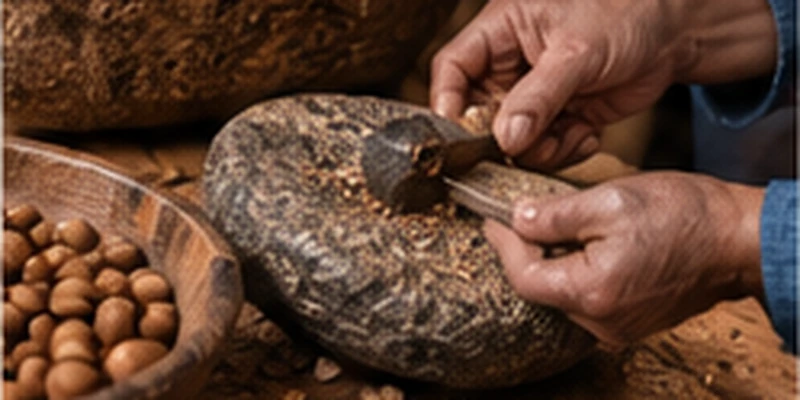
Argan Oil Traditional Hand-Extraction

ArticleMorocco

Argan Oil Traditional Hand-Extraction

The argan nut is cracked between two stones with enough force to open one of the hardest fruit shells in the world — but not enough to crush the kernel inside. The correct angle and impact are learned by hand.

The first test in traditional argan oil making is a controlled fracture: break the shell, preserve the kernel. Later, the hands judge when kneaded paste is ready to release its oil.

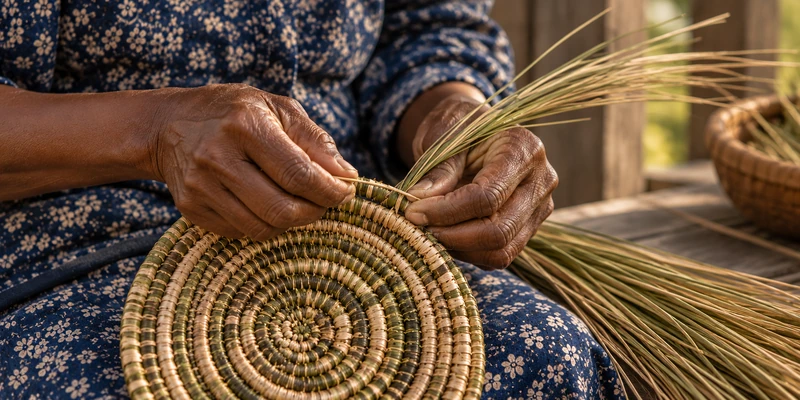
Gullah Geechee Coiled Basketry

ArticleUnited States

Gullah Geechee Coiled Basketry

Sweetgrass and pine needle must remain pliable enough to accept extremely tight coiling without cracking. Experienced basket makers judge both the material and the tension overwhelmingly through touch — and describe learning when a coil is tight enough as something that cannot simply be measured.

The spiral stays even because the fingers remember a tension no ruler can specify.

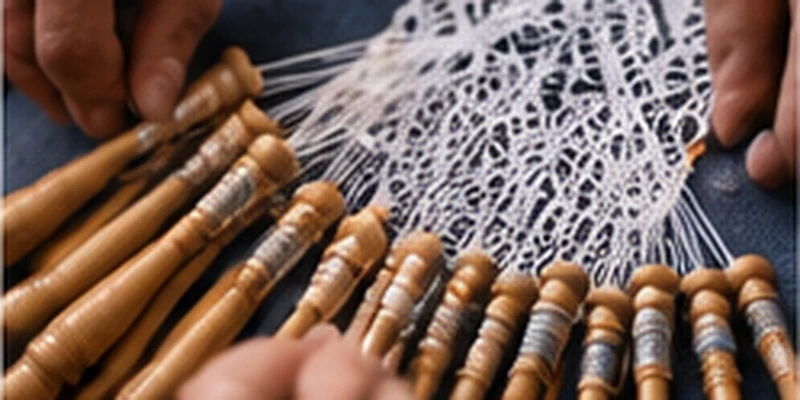
Le Puy-en-Velay Bobbin Lace

ArticleFrance

Le Puy-en-Velay Bobbin Lace

Dozens — sometimes hundreds — of bobbins remain active at once. The lacemaker no longer follows each thread independently; repeated crossings and twists are stored in the hands as rhythmic sequences.

What appears impossibly complex is handled as rhythm: cross, twist, pin, repeat.

Atayal Night Weaving

ArticleTaiwan

Atayal Night Weaving

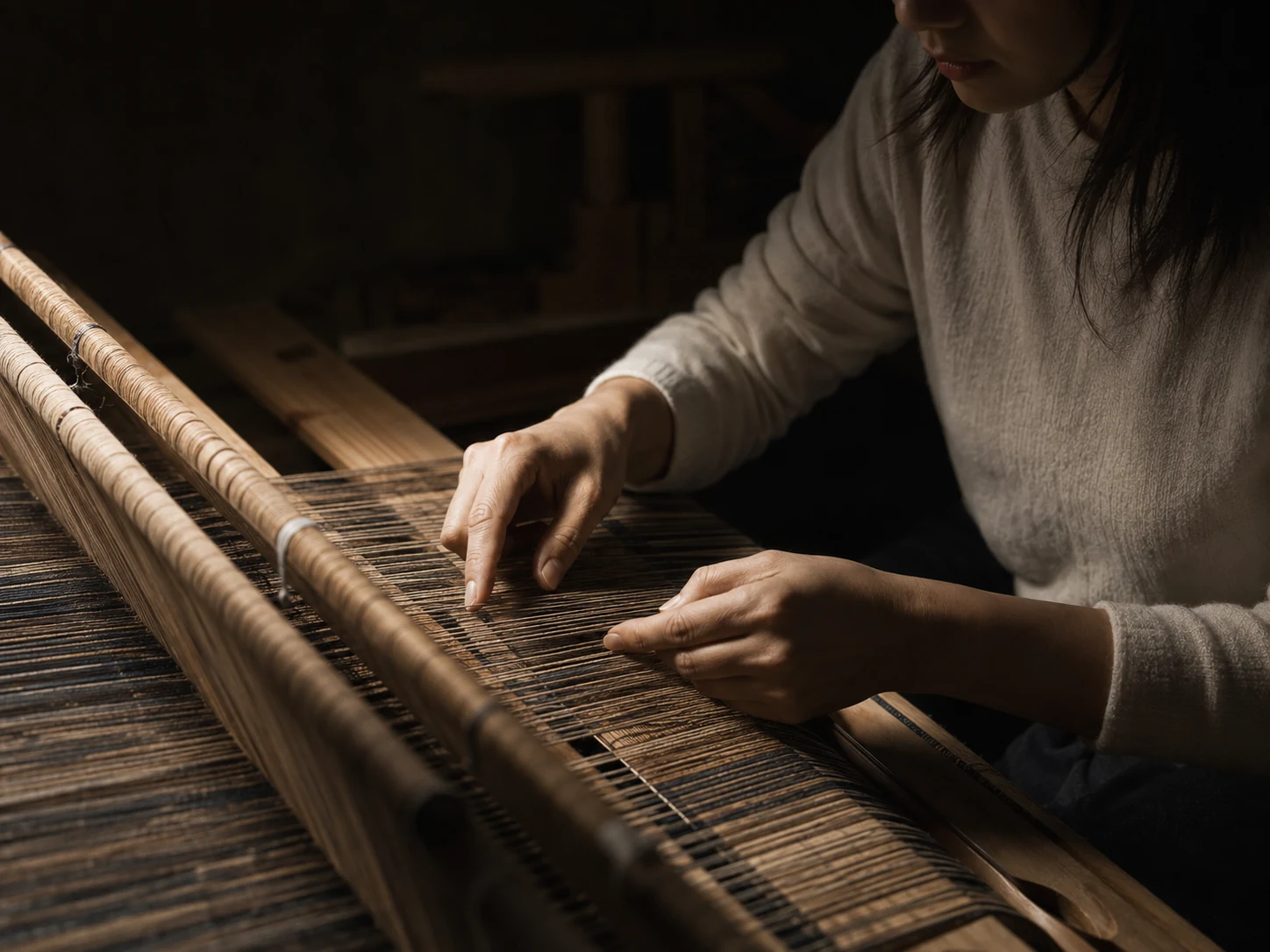
Atayal weavers deliberately practice in reduced light to force haptic thread identification. Darkness is not a constraint — it is a training tool.

The Atayal people of Taiwan deliberately weave in the dark — not by necessity but by design, to train the hands to read what the eyes cannot see.

Al-Sadu Bedouin Weaving

ArticleSaudi Arabia

Al-Sadu Bedouin Weaving

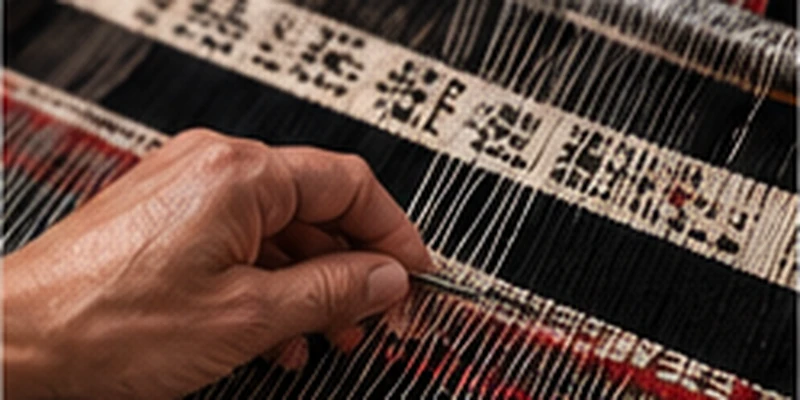
Long geometric bands are produced through counted warp relationships maintained while the weaver also controls tension. Pattern, structure and rhythm are held together in the same sequence of movements.

In Al-Sadu, geometry is not drawn onto cloth. It is built directly into its tension and structure.


More from the archive →

A Global Research Map of Craft Technique

The Depository organizes public research leads through a 59-field schema covering materials, tools, process, context, risk, and possible applications. A mapped record is a starting point for deeper documentation; it is not presented as practitioner-verified unless that work has taken place.

Browse The ArchiveFind a Technique →

ARCHIVE MATURITY

From Research Lead to Living Transmission

The public collection is currently a mapped evidence base. CRAFT uses the following stages to show the deeper work still required and to avoid treating desk research as community verification.

01

Mapped

Structured from public and research sources.

02

Reviewed

Cross-checked and editorially strengthened.

03

Verified

Confirmed with a practitioner or knowledge-holding community.

04

Captured

Documented through interviews, images, video, or fieldwork.

05

Transmissible

Prepared for responsible teaching or application.

Global Coverage

205 countries · 2863 techniques

Côte d'Ivoire

Loading archive…

CONTRIBUTE TO THE DEPOSITORY

Help Strengthen the Depository

Craft knowledge is dispersed across communities, workshops, and personal memory. Suggest a missing technique, contribute knowledge to an existing record, or help us correct something.

Every contribution is researched and reviewed before the archive is changed. Submissions are never published automatically.