World Craft Depository

2,863 Mapped Technique Records
205 Countries Represented
59-Field Research Schema
From the Archive

Intelligence of the Hand

A rotating selection of extraordinary tacit knowledge from across CRAFT's growing global archive.

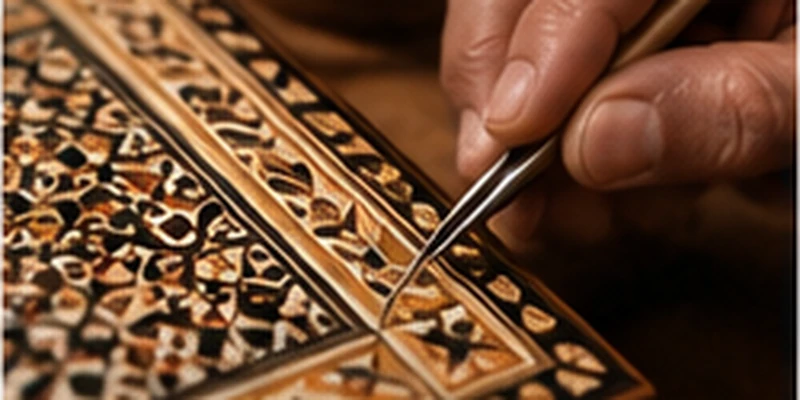
Khatam-kari Micro-Mosaic Marquetry

ArticleIran

Khatam-kari Micro-Mosaic Marquetry

Tiny rods of wood, bone and metal are assembled into larger geometric bundles and sliced across their length. The pattern therefore has to be built in three dimensions before it appears as a flat surface.

The maker does not decorate the surface one fragment at a time. The pattern is engineered inside a bundle, then revealed by cutting it open.

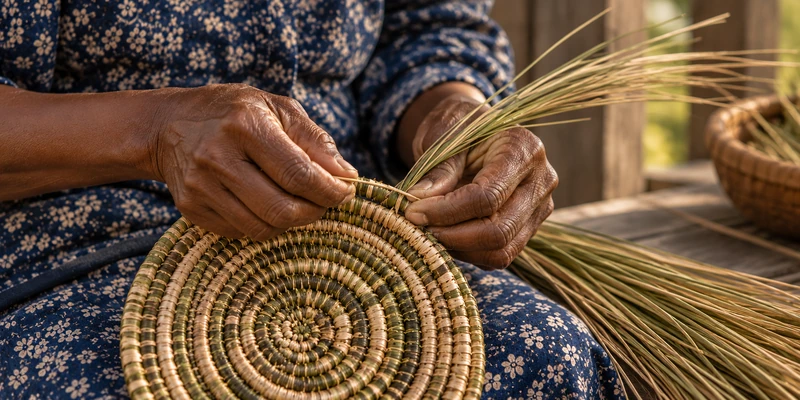
Gullah Geechee Coiled Basketry

ArticleUnited States

Gullah Geechee Coiled Basketry

Sweetgrass and pine needle must remain pliable enough to accept extremely tight coiling without cracking. Experienced basket makers judge both the material and the tension overwhelmingly through touch — and describe learning when a coil is tight enough as something that cannot simply be measured.

The spiral stays even because the fingers remember a tension no ruler can specify.

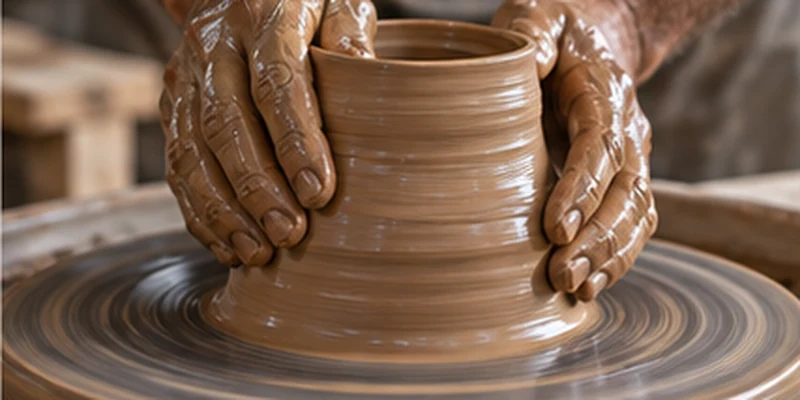
Fustat Wheel-Thrown Pottery

ArticleEgypt

Fustat Wheel-Thrown Pottery

Once the clay is correctly prepared, an experienced Fustat potter can throw vessels at extraordinary speed — one documented maker produced five pots in under five minutes. Yet the slower work of levigating, mixing and treading the clay is what makes that speed possible.

The spectacular part takes seconds. The intelligence that enables it happens long before the wheel starts turning.

Fijian Masi Barkcloth Making

ArticleFiji

Fijian Masi Barkcloth Making

When two barkcloth sheets are joined, the cassava-starch paste must reach a fleeting state between wet and dry: tacky enough to bond, but no longer fluid enough to spread through the fibers.

The sheets are joined at a moment the maker feels rather than measures — before the paste has a name for what it has become.

Le Puy-en-Velay Bobbin Lace

ArticleFrance

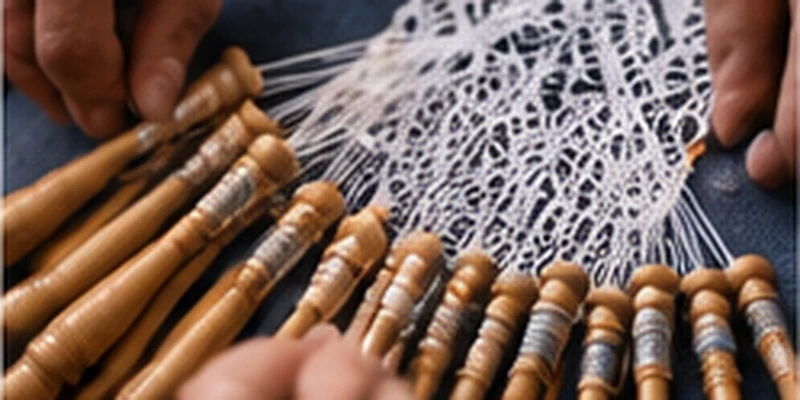
Le Puy-en-Velay Bobbin Lace

Dozens — sometimes hundreds — of bobbins remain active at once. The lacemaker no longer follows each thread independently; repeated crossings and twists are stored in the hands as rhythmic sequences.

What appears impossibly complex is handled as rhythm: cross, twist, pin, repeat.

Inuit Qulliq Soapstone Lamp Carving

ArticleCanada

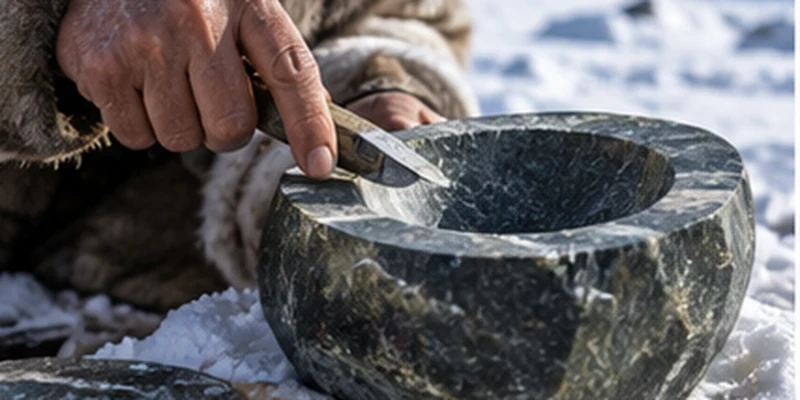
Inuit Qulliq Soapstone Lamp Carving

A qulliq must hold burning animal fat for long periods without cracking. As the soapstone reservoir is hollowed, the carver continuously judges wall thickness and depth by resistance under the tool, balancing fuel capacity against the stone left for strength.

Too much stone and the lamp holds less fuel. Too little and centuries of heat knowledge end in a crack.


More from the archive →

A Global Research Map of Craft Technique

The Depository organizes public research leads through a 59-field schema covering materials, tools, process, context, risk, and possible applications. A mapped record is a starting point for deeper documentation; it is not presented as practitioner-verified unless that work has taken place.

Browse The ArchiveFind a Technique →

ARCHIVE MATURITY

From Research Lead to Living Transmission

The public collection is currently a mapped evidence base. CRAFT uses the following stages to show the deeper work still required and to avoid treating desk research as community verification.

01

Mapped

Structured from public and research sources.

02

Reviewed

Cross-checked and editorially strengthened.

03

Verified

Confirmed with a practitioner or knowledge-holding community.

04

Captured

Documented through interviews, images, video, or fieldwork.

05

Transmissible

Prepared for responsible teaching or application.

Global Coverage

205 countries · 2863 techniques

Botswana

Loading archive…

CONTRIBUTE TO THE DEPOSITORY

Help Strengthen the Depository

Craft knowledge is dispersed across communities, workshops, and personal memory. Suggest a missing technique, contribute knowledge to an existing record, or help us correct something.

Every contribution is researched and reviewed before the archive is changed. Submissions are never published automatically.