
World Craft Depository

2,863 Mapped Technique Records
205 Countries Represented
59-Field Research Schema
From the Archive

Intelligence of the Hand

A rotating selection of extraordinary tacit knowledge from across CRAFT's growing global archive.

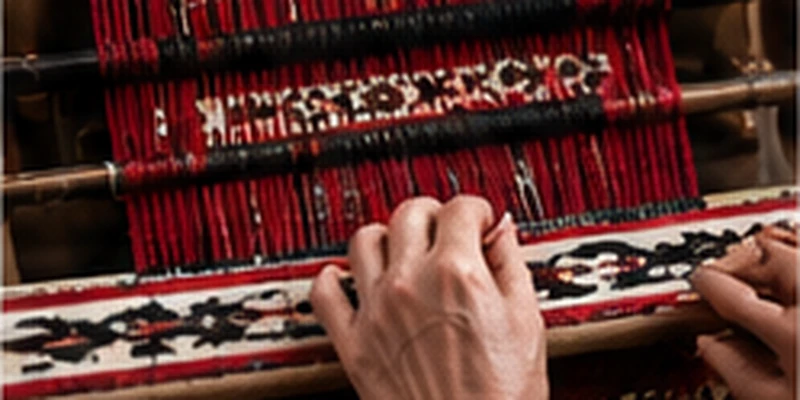
Bani Jamra Hand-and-Foot Naseej Weaving

ArticleBahrain

Bani Jamra Hand-and-Foot Naseej Weaving

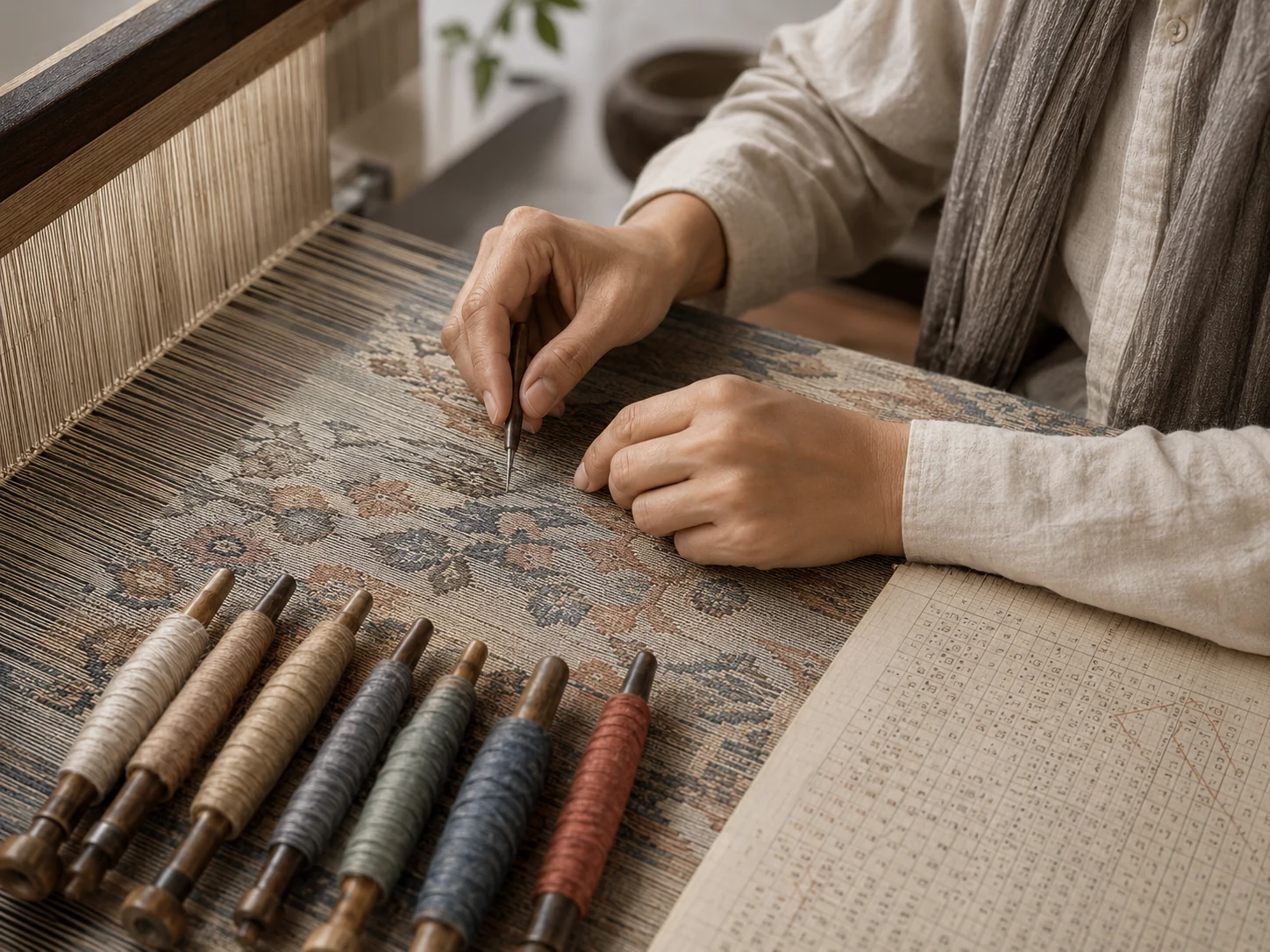
Bani Jamra weaving requires coordinated use of both hands and legs. Textile structure emerges from a learned choreography distributed across the body rather than from hand movement alone.

In Bani Jamra, the body becomes part of the loom. Hands and feet operate as one rhythmic system to control thread, tension and structure.

Lakota & Cheyenne Porcupine Quillwork

ArticleUnited States

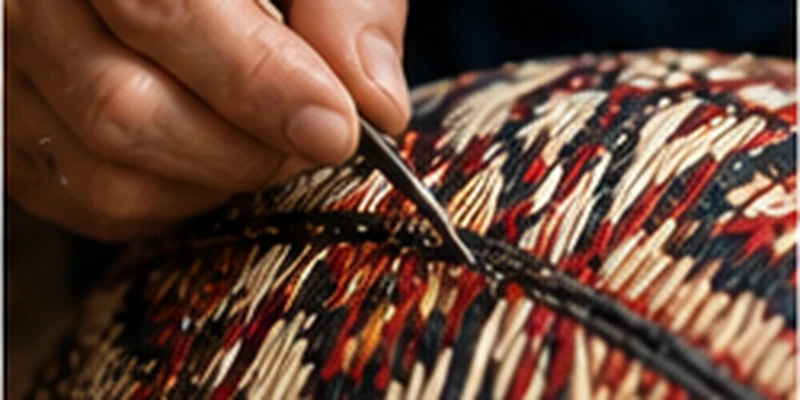
Lakota & Cheyenne Porcupine Quillwork

A softened porcupine quill remains pliable only briefly. It must be flattened, positioned and secured before it stiffens again — a short material window repeated for every quill in the piece.

Each quill sets its own clock. The maker works against the material's return to stiffness, repeating the same timed judgment hundreds or thousands of times.

Moroccan Henna Paste Preparation & Ceremonial Application

ArticleMorocco

Moroccan Henna Paste Preparation & Ceremonial Application

The henna artist draws directly onto living skin without a stencil. Syringe or cone pressure has to remain consistent even as the surface beneath the hand moves, flexes and changes curvature.

The pattern is drawn on a surface that never stays completely still.

Fustat Wheel-Thrown Pottery

ArticleEgypt

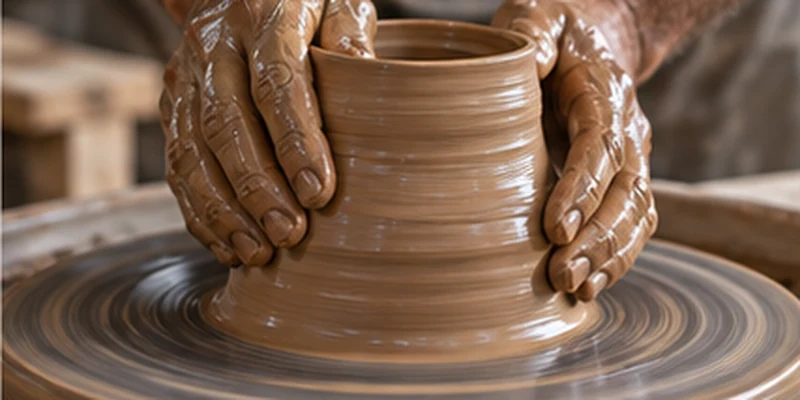
Fustat Wheel-Thrown Pottery

Once the clay is correctly prepared, an experienced Fustat potter can throw vessels at extraordinary speed — one documented maker produced five pots in under five minutes. Yet the slower work of levigating, mixing and treading the clay is what makes that speed possible.

The spectacular part takes seconds. The intelligence that enables it happens long before the wheel starts turning.

Lyon Organza Weaving

ArticleFrance

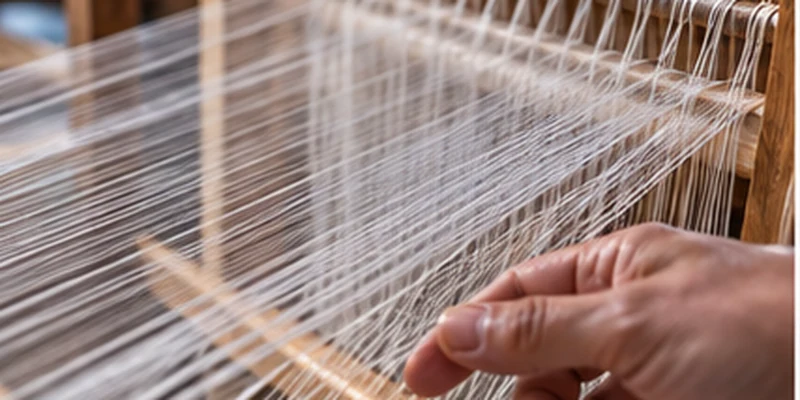
Lyon Organza Weaving

Highly twisted silk warp threads are held under such tension that the weaver can test them by plucking them like strings. A thread pitched too high risks snapping; one pitched too low may loosen the weave.

The loom has a note. The weaver learns to hear when a thread is out of tune.

Kani Shawl Weaving

ArticleIndia

Kani Shawl Weaving

The most endangered element may not be the weaving — it is the talim, an oral notation system in which the pattern is encoded as a chanted sequence of numbers and color codes. If the talim disappears, the pattern knowledge disappears with it.

The most endangered part of the Kani shawl tradition is not the loom, not the pashmina, not the weaver. It is a chanted number sequence.


More from the archive →

A Global Research Map of Craft Technique

The Depository organizes public research leads through a 59-field schema covering materials, tools, process, context, risk, and possible applications. A mapped record is a starting point for deeper documentation; it is not presented as practitioner-verified unless that work has taken place.

Browse The ArchiveFind a Technique →

ARCHIVE MATURITY

From Research Lead to Living Transmission

The public collection is currently a mapped evidence base. CRAFT uses the following stages to show the deeper work still required and to avoid treating desk research as community verification.

01

Mapped

Structured from public and research sources.

02

Reviewed

Cross-checked and editorially strengthened.

03

Verified

Confirmed with a practitioner or knowledge-holding community.

04

Captured

Documented through interviews, images, video, or fieldwork.

05

Transmissible

Prepared for responsible teaching or application.

Global Coverage

205 countries · 2863 techniques

Belize

Loading archive…

CONTRIBUTE TO THE DEPOSITORY

Help Strengthen the Depository

Craft knowledge is dispersed across communities, workshops, and personal memory. Suggest a missing technique, contribute knowledge to an existing record, or help us correct something.

Every contribution is researched and reviewed before the archive is changed. Submissions are never published automatically.