World Craft Depository

2,863 Mapped Technique Records
205 Countries Represented
59-Field Research Schema
From the Archive

Intelligence of the Hand

A rotating selection of extraordinary tacit knowledge from across CRAFT's growing global archive.

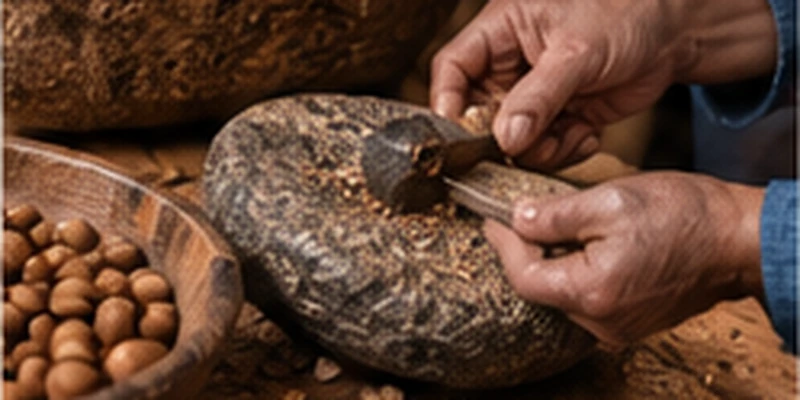
Argan Oil Traditional Hand-Extraction

ArticleMorocco

Argan Oil Traditional Hand-Extraction

The argan nut is cracked between two stones with enough force to open one of the hardest fruit shells in the world — but not enough to crush the kernel inside. The correct angle and impact are learned by hand.

The first test in traditional argan oil making is a controlled fracture: break the shell, preserve the kernel. Later, the hands judge when kneaded paste is ready to release its oil.

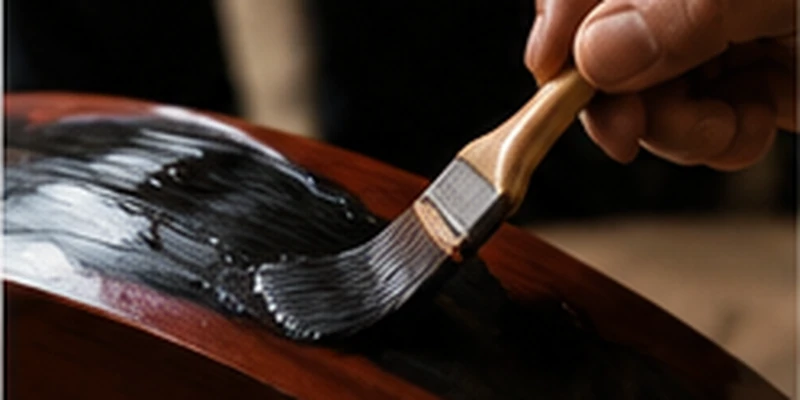
Ottchil Korean Natural Lacquer Application

ArticleSouth Korea

Ottchil Korean Natural Lacquer Application

Natural lacquer cures through humidity. Experienced ottchil makers judge the atmosphere not only with instruments but through the sensation of moisture on the skin — an environment described as feeling almost like breathing into a cloud.

Here the hand does not only read the object. It reads the air surrounding it.

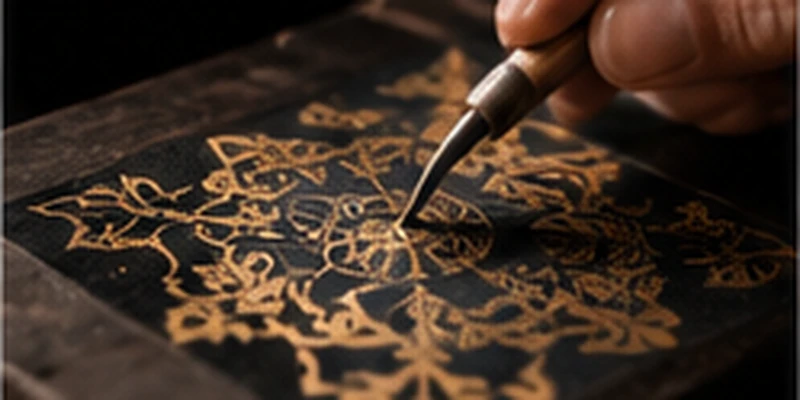
Toledo Damascene Metal Inlay

ArticleSpain

Toledo Damascene Metal Inlay

Before gold or silver wire is hammered into steel, the surface is cut into a microscopic cross-hatched grip. Experienced damasquinadores test the depth of that texture with a fingernail before committing the precious metal.

Before the gold goes in, a fingernail decides whether the steel is ready to hold it.

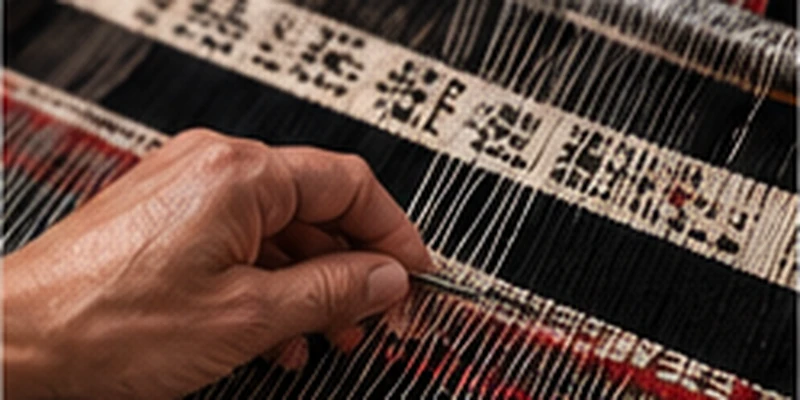
Al-Sadu Bedouin Weaving

ArticleSaudi Arabia

Al-Sadu Bedouin Weaving

Long geometric bands are produced through counted warp relationships maintained while the weaver also controls tension. Pattern, structure and rhythm are held together in the same sequence of movements.

In Al-Sadu, geometry is not drawn onto cloth. It is built directly into its tension and structure.

Diné (Navajo) Upright-Loom Rug Weaving

ArticleUnited States

Diné (Navajo) Upright-Loom Rug Weaving

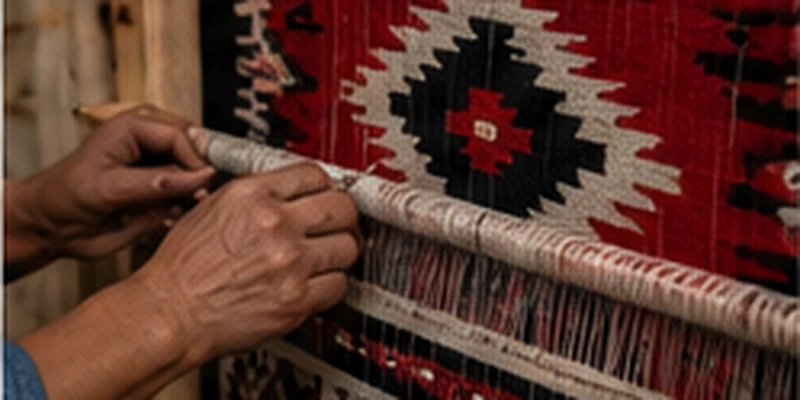
The weaver reads fabric density through the resistance and sound of the comb strikes, adjusting force by feel while holding the geometric pattern in memory rather than following a written chart.

The loom speaks back through sound and resistance. A Diné weaver listens, feels and remembers at the same time to keep tension and pattern coherent.

Lyon Organza Weaving

ArticleFrance

Lyon Organza Weaving

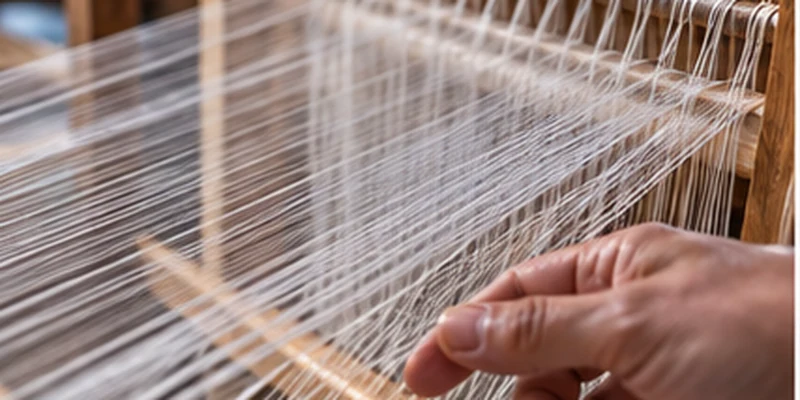
Highly twisted silk warp threads are held under such tension that the weaver can test them by plucking them like strings. A thread pitched too high risks snapping; one pitched too low may loosen the weave.

The loom has a note. The weaver learns to hear when a thread is out of tune.


More from the archive →

A Global Research Map of Craft Technique

The Depository organizes public research leads through a 59-field schema covering materials, tools, process, context, risk, and possible applications. A mapped record is a starting point for deeper documentation; it is not presented as practitioner-verified unless that work has taken place.

Browse The ArchiveFind a Technique →

ARCHIVE MATURITY

From Research Lead to Living Transmission

The public collection is currently a mapped evidence base. CRAFT uses the following stages to show the deeper work still required and to avoid treating desk research as community verification.

01

Mapped

Structured from public and research sources.

02

Reviewed

Cross-checked and editorially strengthened.

03

Verified

Confirmed with a practitioner or knowledge-holding community.

04

Captured

Documented through interviews, images, video, or fieldwork.

05

Transmissible

Prepared for responsible teaching or application.

Global Coverage

205 countries · 2863 techniques

Austria

Loading archive…

CONTRIBUTE TO THE DEPOSITORY

Help Strengthen the Depository

Craft knowledge is dispersed across communities, workshops, and personal memory. Suggest a missing technique, contribute knowledge to an existing record, or help us correct something.

Every contribution is researched and reviewed before the archive is changed. Submissions are never published automatically.