World Craft Depository

2,863 Mapped Technique Records
205 Countries Represented
59-Field Research Schema
From the Archive

Intelligence of the Hand

A rotating selection of extraordinary tacit knowledge from across CRAFT's growing global archive.

Lakota & Cheyenne Porcupine Quillwork

ArticleUnited States

Lakota & Cheyenne Porcupine Quillwork

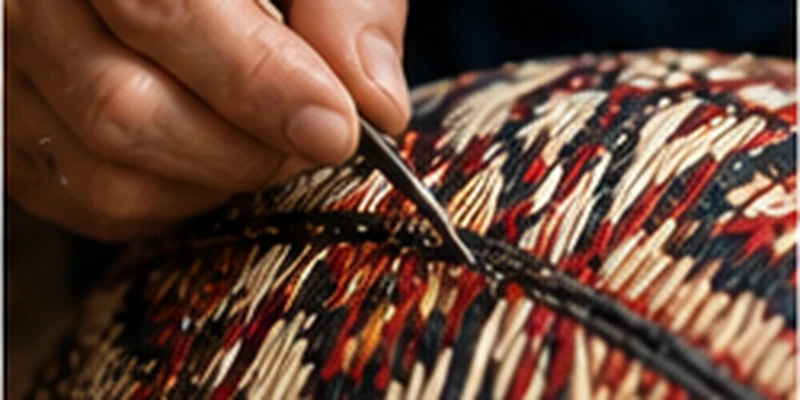
A softened porcupine quill remains pliable only briefly. It must be flattened, positioned and secured before it stiffens again — a short material window repeated for every quill in the piece.

Each quill sets its own clock. The maker works against the material's return to stiffness, repeating the same timed judgment hundreds or thousands of times.

El Qurna Egyptian Alabaster Carving

ArticleEgypt

El Qurna Egyptian Alabaster Carving

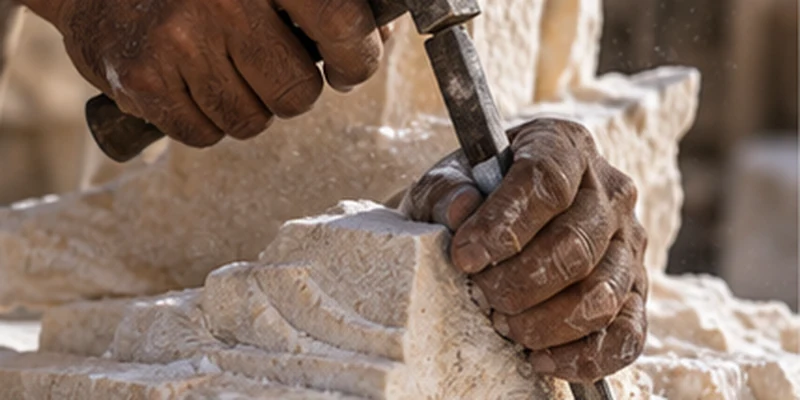
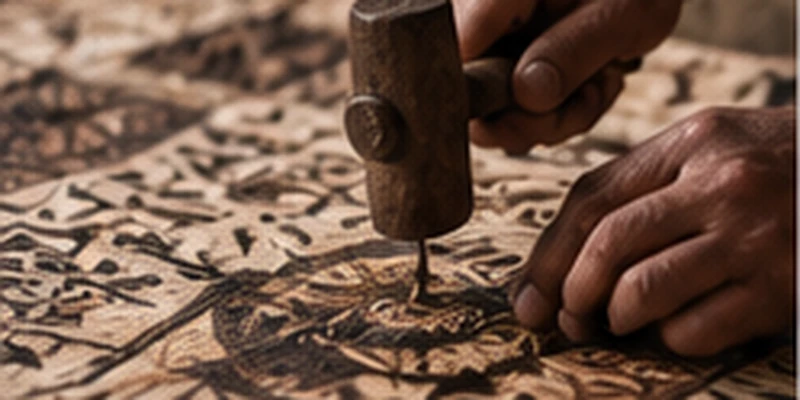
Egyptian calcite can fracture under an overconfident blow. Carvers raised in El Qurna learn to judge hammer and chisel force through resistance transmitted back through the tool, progressively removing stone without opening an unseen crack.

Every strike removes stone. The real skill is knowing how much force the stone will forgive.

Ottchil Korean Natural Lacquer Application

ArticleSouth Korea

Ottchil Korean Natural Lacquer Application

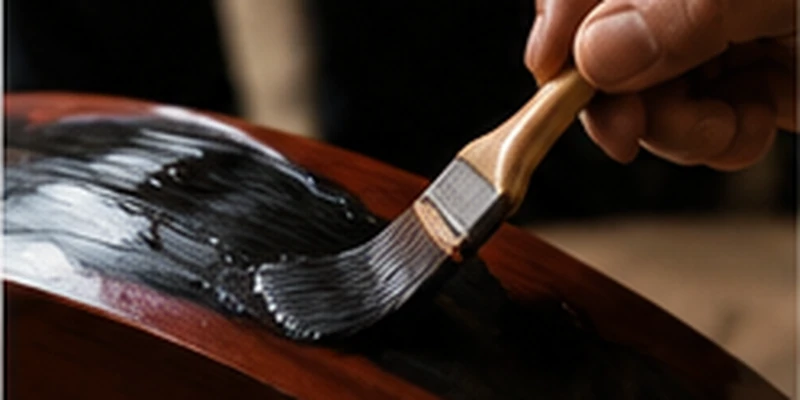
Natural lacquer cures through humidity. Experienced ottchil makers judge the atmosphere not only with instruments but through the sensation of moisture on the skin — an environment described as feeling almost like breathing into a cloud.

Here the hand does not only read the object. It reads the air surrounding it.

Cremona Violin Making

ArticleItaly

Cremona Violin Making

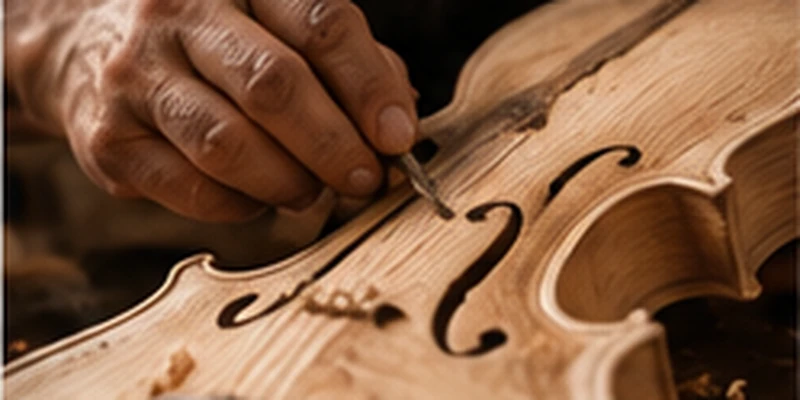
Before a Cremonese violin has strings, its top and back plates are already being tuned. The luthier taps the wood, hearing the note while also feeling the vibration through the fingers.

A violin begins to reveal its voice while it is still pieces of wood. The maker removes minute amounts until sound, stiffness and vibration reach the right balance.

Fijian Masi Barkcloth Making

ArticleFiji

Fijian Masi Barkcloth Making

When two barkcloth sheets are joined, the cassava-starch paste must reach a fleeting state between wet and dry: tacky enough to bond, but no longer fluid enough to spread through the fibers.

The sheets are joined at a moment the maker feels rather than measures — before the paste has a name for what it has become.

Beit Chabab Naffah Bronze Bell Casting

ArticleLebanon

Beit Chabab Naffah Bronze Bell Casting

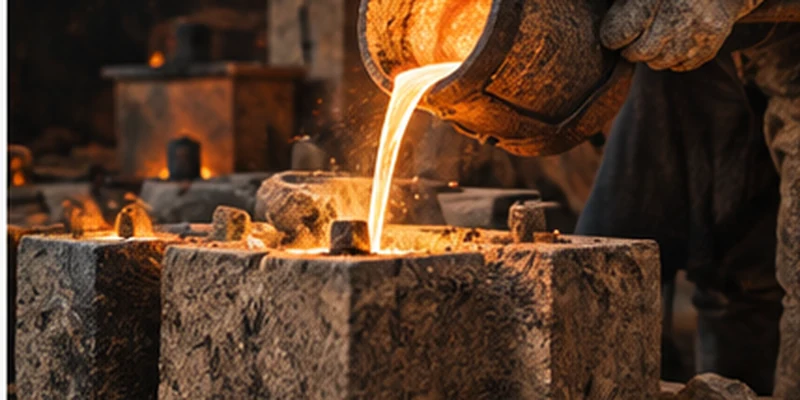
A bell mold made from mud, straw and goat hair takes roughly forty days to prepare. When the bronze is finally molten, the pour cannot be corrected: one mistake can erase six weeks of work before the bell has even existed.

Forty days of preparation arrive at one irreversible pour.


More from the archive →

A Global Research Map of Craft Technique

The Depository organizes public research leads through a 59-field schema covering materials, tools, process, context, risk, and possible applications. A mapped record is a starting point for deeper documentation; it is not presented as practitioner-verified unless that work has taken place.

Browse The ArchiveFind a Technique →

ARCHIVE MATURITY

From Research Lead to Living Transmission

The public collection is currently a mapped evidence base. CRAFT uses the following stages to show the deeper work still required and to avoid treating desk research as community verification.

01

Mapped

Structured from public and research sources.

02

Reviewed

Cross-checked and editorially strengthened.

03

Verified

Confirmed with a practitioner or knowledge-holding community.

04

Captured

Documented through interviews, images, video, or fieldwork.

05

Transmissible

Prepared for responsible teaching or application.

Global Coverage

205 countries · 2863 techniques

Albania

Loading archive…

CONTRIBUTE TO THE DEPOSITORY

Help Strengthen the Depository

Craft knowledge is dispersed across communities, workshops, and personal memory. Suggest a missing technique, contribute knowledge to an existing record, or help us correct something.

Every contribution is researched and reviewed before the archive is changed. Submissions are never published automatically.